
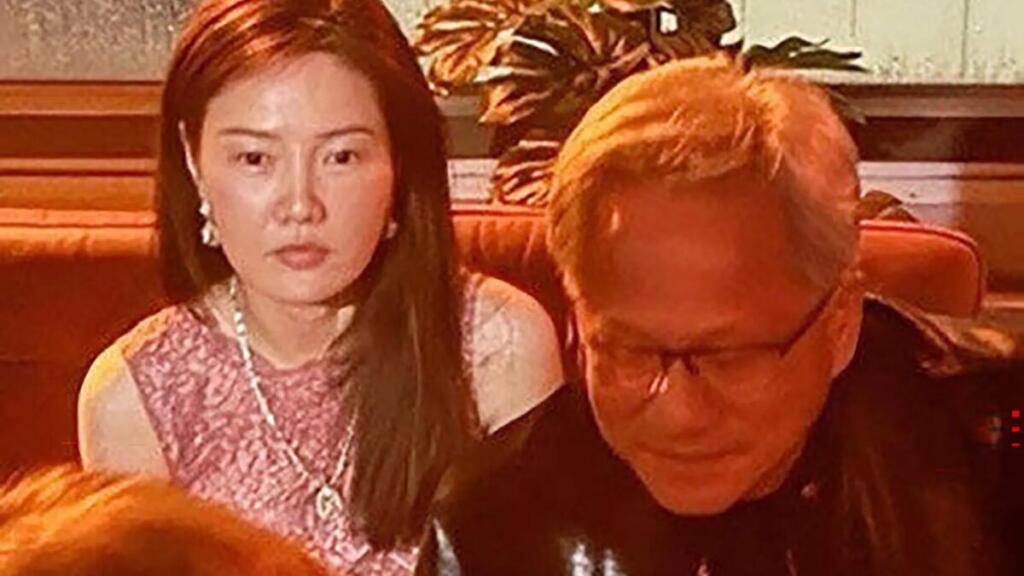
On Sunday, Nvidia chief executive Jensen Huang did what he had avoided for weeks. In a memo to employees, he wrote: “I was unfaithful to my wife. My actions hurt her and our children.” Within hours, Nvidia’s board announced an independent investigation into whether its CEO had been targeted by a foreign intelligence operation. The shares fell 4% before the bell on Monday.
At the centre of it is a woman few outside the semiconductor trade had heard of until recently.
Who is Alice Huang?
Alice Huang is a Chinese national who rose quickly in the AI infrastructure business. The New York Times described her as a Chinese businesswoman who had something of a mysterious and meteoric rise. She is no relation to Jensen Huang, despite the shared surname. She was an executive at Megaspeed, a Singapore-based cloud company and Nvidia customer, which purchased nearly $5 billion in Nvidia chip technology.
According to reports in the Times and the Financial Times, American intelligence agencies placed her under surveillance and concluded that she had been recruited to spy by China’s top intelligence agency. The Times reported she gathered information for Beijing while building a close relationship with Nvidia’s chief. She was also seen personally with Jensen Huang on a couple of occasions after industry events in Taiwan.
Her own account has not appeared in the coverage reviewed. China has dismissed the claims. A foreign ministry spokesman called them groundless and nothing but a smear against China. No criminal charges against her have been reported.
Why it is a security matter
The concern goes beyond a personal relationship. Nvidia’s advanced AI chips are among the most tightly controlled exports in the world, and Washington has spent years trying to keep the most powerful ones out of Chinese hands. Megaspeed has been accused of helping restricted Chinese companies acquire Nvidia AI chips. The company’s own internal review had earlier found no evidence of wrongdoing, according to NewsNation.
The worry for intelligence officials is access. A close tie between a foreign-linked customer and the chief executive of a company at the heart of the AI race could, in their view, offer a route to sensitive information on products, supply and policy.
The political storm
The matter had been building for weeks. The Times reported that Secretary of State Marco Rubio had warned Trump administration officials about Huang’s ties to the woman. Three House Republicans demanded that Huang answer questions about his interactions with her and about Nvidia’s safeguards against foreign espionage. The timing is awkward for Huang, who has lobbied the administration to ease restrictions on chip sales to China.
Nvidia and its chief had earlier played down the relationship as routine and professional. Sunday’s memo reversed that position. Rubio, asked by reporters in Florida, said he could not comment on an internal corporate matter at Nvidia.
The board’s investigation will test whether the company can show that its secrets, chips and policy positions were never compromised. Nvidia says Huang intends to remain as CEO without interruption. The harder questions sit with Congress and the intelligence agencies: what Alice Huang is alleged to have obtained, what Megaspeed did with its chips, and whether the controls meant to protect American technology held at the point where business and personal ties met.