
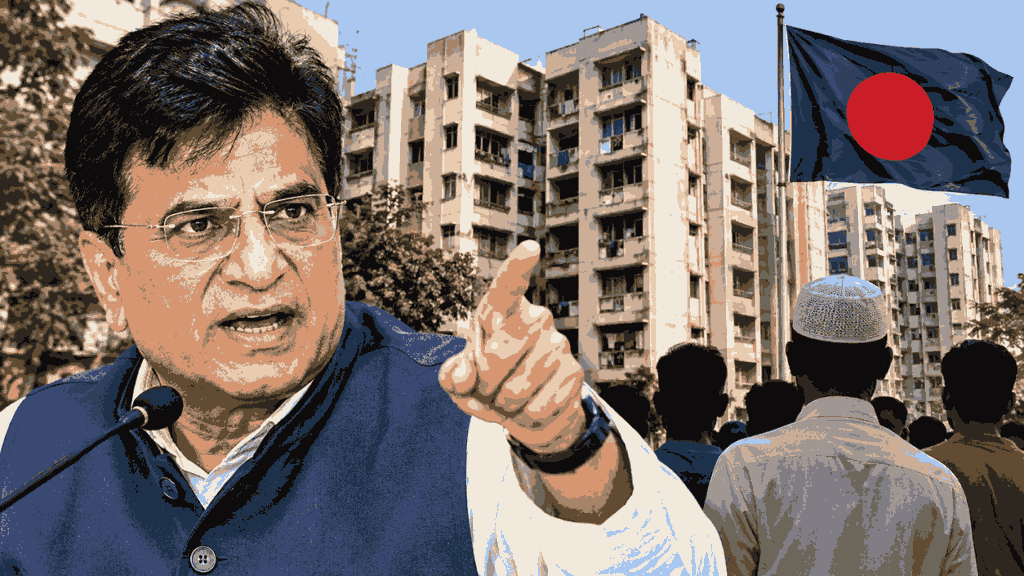
According to Somaiya, the alleged irregularities involve flats in the Noor Bazar housing complex at Antop Hill, Mumbai. He claimed that applications for several properties were originally submitted in the names of Hindu beneficiaries, but the individuals actually occupying or benefiting from these flats were allegedly Bangladeshi nationals. The BJP leader specifically raised concerns about the use of Power of Attorney arrangements, which he believes may have enabled unauthorised individuals to gain control of properties intended for eligible Indian citizens.
Somaiya also shared examples to support his allegations. Among those mentioned was a flat originally allotted in the name of Avinash Ravidhone, which he claimed was occupied by Mansoori Juned Mohd. Other examples included properties associated with Ramesh Ghatal, Shyam Rautekar, Manoj Khambe, Shyam Gaikwad, Nirmala Barve, Vinayak Kumbhar, Devidas Mane, Kanhaiya Prasad, Indubai Pawar and Balu Kadu. Somaiya identified several other individuals as alleged occupants or beneficiaries of these properties.
The BJP leader’s complaint has brought the administration’s attention to the possibility of proxy ownership and questionable property transfers within a government-supported housing project. If the allegations are substantiated, the matter could expose significant weaknesses in the verification procedures followed during allotment and subsequent transfers of affordable housing units.
The complaint reportedly followed a meeting with more than 50 residents of the housing complex, who approached Somaiya at his office in Neelam Nagar, Mulund (East). According to the BJP leader, residents described a range of problems, including encroachment, physical assaults, alleged illegal infiltration, proxy transactions and intimidation. Their complaints suggest that the controversy may extend beyond the ownership of individual apartments to broader questions concerning security and the administration of the housing complex.
Somaiya has specifically urged the housing authority to investigate the alleged involvement of officials and private agents in facilitating questionable transactions. He accused certain officials and intermediaries of colluding with individuals who allegedly obtained control of the flats through irregular arrangements. These allegations, if established through an independent inquiry, could point towards organised manipulation of a public housing scheme. The role of the authority’s officials, agents and other intermediaries therefore requires careful scrutiny.
Another significant aspect of the complaint concerns the alleged occupation of 41 units in Swapnapurti Society. Somaiya claimed that these properties, intended for legitimate beneficiaries, had instead come under the control of Bangladeshi infiltrators. The figure adds another dimension to the controversy surrounding the 110 flats mentioned in his broader allegations. Both claims require verification through property records, allotment documents and physical inspections before any definitive conclusions can be reached.
The controversy about MHADA also raises important questions about the effectiveness of beneficiary verification in government housing projects. Affordable housing schemes are designed to provide secure accommodation to families who might otherwise struggle to purchase homes in expensive urban centres. When allegations emerge that such properties have been transferred through questionable arrangements, the authorities must establish whether the original beneficiaries genuinely received possession and whether subsequent transactions complied with applicable regulations.
For MHADA, the immediate challenge will be to examine the documents submitted by Somaiya and determine whether the alleged occupants possess legitimate ownership or occupancy rights. Investigators will also need to establish the authenticity of the Power of Attorney documents, trace the financial transactions involved and verify the citizenship claims raised in the complaint. Allegations concerning nationality must be established through lawful procedures rather than assumptions based on names, religion or appearance.
Somaiya has announced that he intends to visit the housing complex on Saturday, November 14, to assess the situation. He has also requested that relevant housing officials, municipal representatives and police personnel remain present during the inspection. Such a visit could provide an opportunity to document residents’ grievances and bring the matter directly before the agencies responsible for addressing them.
The Maharashtra government now faces the responsibility of ensuring that the allegations receive a transparent and impartial examination. Deputy Chief Minister Eknath Shinde, who also holds the Housing portfolio, has been named in the complaint as the minister to whom the matter has been brought. A credible investigation would help distinguish documented violations from unverified claims while ensuring that any wrongdoing is addressed under the law.
Ultimately, the controversy is about more than the possession of apartments. It concerns the integrity of public housing distribution, the protection of legitimate beneficiaries and the accountability of institutions entrusted with public resources. The investigation into the Antop Hill allegations will be an important test of whether MHADA can safeguard its housing projects against fraudulent transfers, unauthorised occupation and administrative malpractice.
The allegations remain claims made by Somaiya and have not yet been established through an official investigation. The authorities’ findings will be crucial in determining the facts and identifying those responsible, if any wrongdoing is proven.