
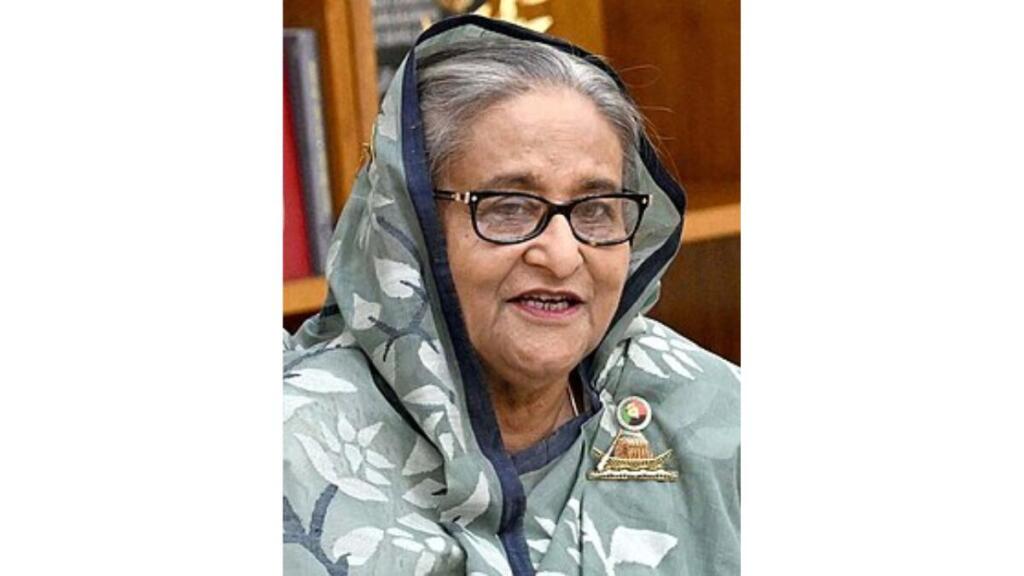
More than two years after she fled Dhaka, ousted Prime Minister Sheikh Hasina has asked the country she once ruled for a passport. The request, sent by her legal team, lands at the intersection of an extradition demand, a death sentence and her stated plan to return in December.
According to The Hindu, a source in Dhaka said the Bangladesh High Commission received an email from Matrix Chambers, a London law firm, seeking a new passport for Hasina. The source told the newspaper that the Ministry of Foreign Affairs is examining the contents and will decide after internal consultation. Her earlier passport was cancelled soon after she escaped to India in August 2024, following the uprising that toppled her government.
Other outlets have filled in the detail. Prothom Alo reported that the email arrived at the High Commission in New Delhi on Monday morning, with a Matrix Chambers lawyer stating at the outset that the firm acts for Hasina. It asked for both a passport and a national identity card. The letter was addressed to the acting high commissioner, Preeti Rahman, and said: “I respectfully request that you take the necessary steps to issue a new Bangladeshi passport.”
The Associated Press, which saw the letter, reported that the lawyers asked for the applications to be processed expeditiously, on the basis of Hasina’s Bangladeshi nationality and obligations under international human rights instruments. The Awami League, her party, announced the move on Monday and linked it to her planned return to the country in December.
A question of authenticity and authority
Dhaka has not simply accepted the request at face value. Prothom Alo reported that diplomatic sources in Dhaka said it was not possible to verify whether the request had actually come from Sheikh Hasina. Home Minister Salahuddin Ahmed said the foreign and law ministries were looking into whether there was any legal basis for the applications and whether Hasina was legally entitled to apply.
The government has also questioned the premise. India TV reported that Bangladesh’s junior foreign minister, Humaiun Kobir, said last week that Dhaka wants India to hand Hasina over under the existing extradition treaty, dismissing suggestions that she would require a passport or other travel documents to return.
The backdrop
The passport request cannot be read apart from the legal case against her. Hasina has been sentenced to death by Bangladesh’s International Crimes Tribunal over the crackdown on protesters in 2024. AP reported that she says she wants to return to Bangladesh in December at any cost. Hasina has told Reuters she intends to surrender before a court, and her aides say a return date will be announced once formalities are complete.
Dhaka’s extradition push began soon after the verdict. The Tribune reported that the then interim government sent India a fresh diplomatic note, with the foreign ministry calling extradition an obligation for India under the existing treaty. New Delhi’s external affairs ministry said it had received the request and that it was being examined. India has also said it remains committed to constructive engagement with Bangladesh.
What the decision means
For Dhaka, issuing a passport could be read as a recognition of her rights as a citizen, and would ease a return that the government says it wants on its own terms, through extradition and trial. Refusing would reinforce the position that she is a fugitive, not an applicant. For New Delhi, which has hosted her since 2024, any movement on her travel documents sits awkwardly beside a pending extradition request.
For Hasina and her party, the application serves a second purpose. By invoking nationality and human rights obligations, it builds a paper trail, so that if the request is denied, the refusal itself becomes part of her argument. The foreign ministry’s verdict, expected after consultation with the law ministry, will signal how Dhaka intends to handle her return, whether as a citizen with rights, a convict to be extradited, or both.