
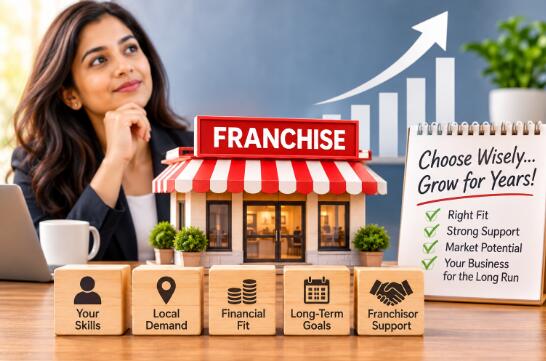
When people consider buying a franchise, brand recognition often attracts the most attention. Yet a successful franchise purchase involves more than choosing a popular logo or an expanding industry. The business must also suit the owner’s skills, lifestyle, financial capacity and local customer expectations. An opportunity that works well for one entrepreneur may be frustrating or unsustainable for another. Taking a long-term view can help prospective buyers identify a business they are prepared to operate and grow.
Match the Business to Your Strengths
Franchise sectors demand different abilities. A food-service business may require constant attention to staffing, service speed and product consistency. Business-to-business service franchises might rely more heavily on relationship building, sales and contract management. Some models need hands-on daily supervision, while others are designed around managing a team.
Consider which responsibilities you enjoy and which ones you would prefer to delegate. Your experience does not need to match every task, but you should understand the skills needed to lead the operation. Also assess the working hours and personal commitments associated with the model before making a decision.
Observe the Daily Operation
A franchise presentation can make ownership appear straightforward. The reality includes hiring, customer complaints, supplier coordination, compliance, cash-flow monitoring and routine problem-solving. Request opportunities to visit operating locations, speak with managers and observe peak and quiet periods.
Look at how much support comes from systems and technology versus individual employee expertise. Ask how long it typically takes to train new staff and what responsibilities remain with the owner. Seeing the operation in action helps distinguish a genuinely manageable business from one that only appears simple on paper.
Consider Local Relevance and Cultural Adaptability
A franchise’s international reputation may create initial awareness, but sustained sales depend on local relevance. Customer preferences, purchasing power, shopping habits and service expectations vary across markets. Even within the same region, neighbourhoods can have very different needs.
Explore whether the franchisor permits suitable adjustments to menus, product ranges, promotional messages or service delivery. Equally important is knowing which brand standards cannot change. The strongest fit combines a consistent identity with enough flexibility to serve customers authentically.
Think Beyond the Opening Year
Opening a franchise is a milestone, not the final objective. Consider how demand might evolve, whether costs are likely to rise and how the network responds to new technology or changing consumer behaviour. Research the franchisor’s approach to innovation, training updates and operational improvements.
Think about your own ambitions as well. Do you want to manage one location personally, develop multiple outlets or eventually sell the business? These goals can influence the type of franchise, management structure and agreement terms that make sense.
Evaluate the Working Relationship
Franchising involves ongoing collaboration between independent owners and a central brand. Clear expectations, responsive communication and mutual trust matter when difficulties arise. During the selection process, notice whether the franchisor welcomes detailed questions and openly discusses operational challenges.
Speak with existing franchisees about how franchise disputes are handled and whether feedback leads to useful changes. A strong working relationship cannot eliminate business risks, but it can make those risks easier to manage. Notice whether the organisation consistently treats franchisees as valued partners rather than merely additional outlets across markets.
To Conclude
The best franchise is not necessarily the largest or most fashionable brand. It is the one whose daily demands, market potential, operating culture and future direction align with the buyer’s circumstances. Taking time to understand these factors can turn a promising purchase into a more resilient long-term business.