
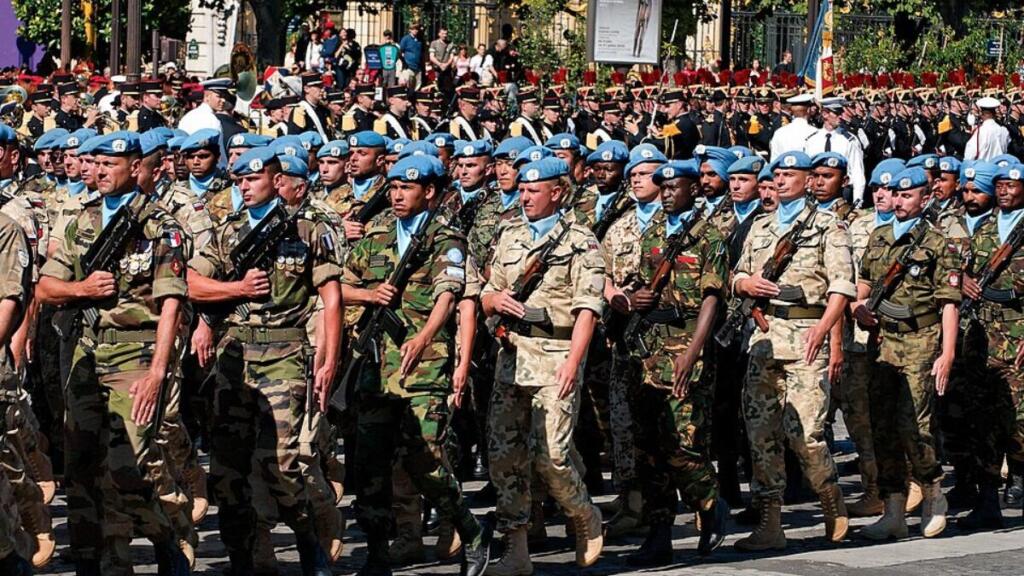
India has asked the United Nations to stop sending peacekeepers into dangerous missions without the tools to survive them. At this year’s annual debate on peacekeeping, it argued for a sturdier, more accountable system.
India’s Military Advisor, Colonel Tarunendra Pratap Singh, called for peacekeeping operations that are better resourced, better protected and more representative. He spoke during the debate on the comprehensive review of the entire question of peacekeeping operations. A statement shared by India’s Permanent Mission to the UN on X described peacekeeping as an indispensable part of the world body’s mandate.
Singh opened by paying tribute to the peacekeepers who have died in UN service, calling their loss a reminder of the price troop-contributing countries pay to maintain international peace. India has deployed more than 300,000 troops across 50 missions, which he said makes it the largest troop contributor to date. Of those, 184 Indian peacekeepers have made the supreme sacrifice as Blue Helmets.
What does “better resourced” actually mean?
Singh said peacekeeping succeeds when it is backed by a wider political process, a clear political vision and adequate resources for deployed personnel. He cautioned against expecting peacekeepers to deliver with insufficient resources. In plain terms, when the UN gives a mission a mandate, it should also supply the troops, equipment and funding to carry it out.
India wants those who attack peacekeepers to be held accountable. Singh pointed to India’s continued leadership on Security Council Resolution 2589, which deals with accountability for crimes against peacekeepers. He also urged faster integration of technology and renewable energy into missions.
Who should shape the mandates?
India asked for institutional consultations with troop- and police-contributing countries before mandates are adopted or revised. The argument is that countries putting their soldiers at risk should help shape the plan. Singh also warned that scaling missions down without a clear operational rationale drains resources and undermines the credibility of peacekeeping.
Singh noted that India has sent women peacekeepers since 1960 and fielded the first all-female Formed Police Unit, in Liberia in 2007. India currently has 160 women peacekeepers deployed across missions, and it supports the UNITE AWARE initiative.
Why now?
Singh said peacekeeping is a priority for India’s candidacy for the UN Security Council for the 2028-29 term. He reaffirmed India’s commitment to a peacekeeping architecture that is better resourced, better protected and more representative of the world it serves. He also said the Special Committee on Peacekeeping Operations, known as C-34, remains the appropriate forum for peacekeeping discussions, and added that India aligns with the statement made on behalf of the Non-Aligned Movement by Morocco.
The speech pairs a practical complaint with a diplomatic pitch. The complaint is that mandates are often written without matching funding or force protection, leaving troops exposed. The pitch is that India, as the largest contributor with a heavy toll, has earned a bigger say in how missions are designed, just as it seeks a Security Council seat.