
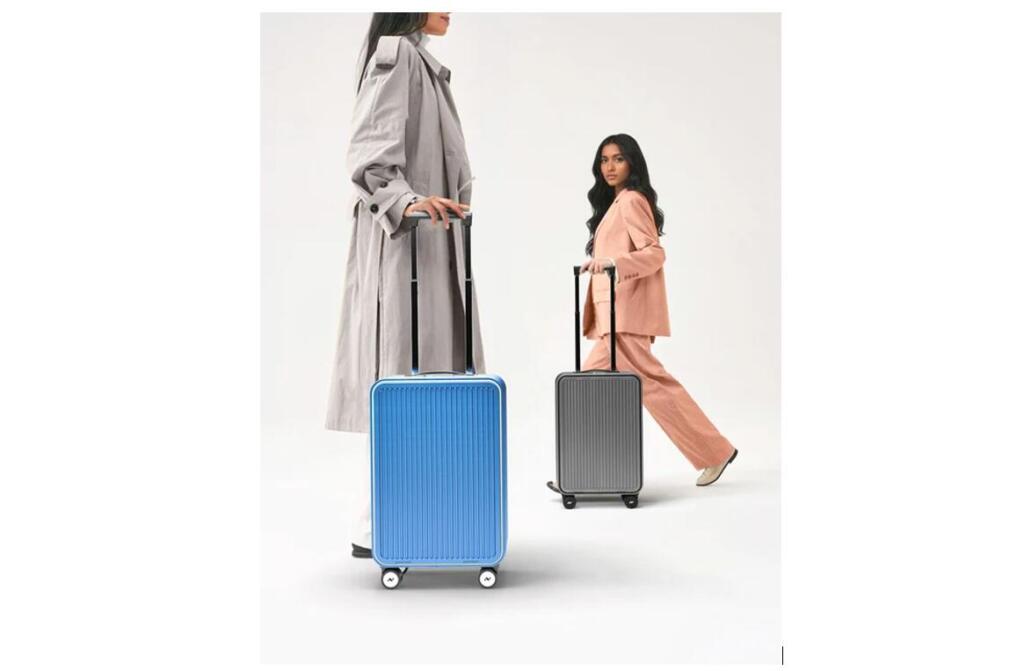
Frequent travel puts luggage through a fair amount of wear. A suitcase gets rolled across uneven pavements, lifted into car boots, moved through crowded airports and handled by baggage teams. Over time, its material, wheels, handles and closure system can make a real difference to the travel experience.
An aluminium suitcase tends to catch the eye of people who like a firm shell and a metallic look. It’s worth a look if you take regular business trips, go abroad for holidays or hop between a few cities in one go. But the material alone won’t tell you if a bag is any good. Weight, packing space, how smoothly it rolls and how often you fly all play a part.
Why Is an Aluminium Suitcase Suitable for Frequent Travellers?
An aluminium suitcase works well for frequent travellers who want a rigid outer shell, a clear shape and a look that stands out at the carousel. The metal body can shield your things from everyday knocks. It can’t stop every kind of damage, though.
Here’s why people often go for it:
- Structured shell: The firm body holds its shape through normal handling and wraps your belongings in a protective layer.
- Distinctive look: The metallic finish looks clean and smart, which suits a client meeting as much as a beach break.
- Long-term use: A well-built case with solid hardware and good wheels can handle plenty of trips.
- Organised packing: Dividers and compression straps, where the model has them, stop shirts and chargers sliding around.
Aluminium also has a characteristic worth remembering. The surface can develop dents, scratches and marks as the suitcase gets used. Some people like that worn-in character, while others hate it and would rather pick luggage that hides the marks.
What Practical Features Should You Check Before Buying an Aluminium Suitcase?
The best suitcase is the one that copes with your trips without adding to your stress. Before you pick a model, look at these five things.
1. Shell Construction and Overall Durability
Look closely at the aluminium shell, the corners, the frame and the parts that hold it all together. Reinforced corners can protect the spots that take the hardest hits, and neatly fitted parts are less likely to give you trouble after repeated handling.
Remember that a rigid shell isn’t indestructible. Aluminium can dent under pressure, so look at the overall construction rather than judging a suitcase by its material alone.
2. Wheels and Telescopic Handle
Four 360-degree spinner wheels can make it easier to move a suitcase through airport queues, station platforms and hotel corridors. They allow the case to roll beside you instead of requiring you to pull it at an awkward angle.
The telescopic handle matters just as much. Check whether it extends comfortably, locks into position and feels stable when the suitcase is loaded. You’ll notice these little things when you’re sprinting for a connecting flight.
3. Locking System and Closure Design
Pick a lock that’s easy to use and suits the way you travel. TSA-approved locks can be useful on trips to destinations where authorised security officers may need to inspect checked luggage.
Some aluminium cases also use zipperless closures. These rely on a frame and locking mechanism rather than a conventional zip around the case. They can offer a clean finish and a firm closure, but no locking system makes luggage completely theft-proof.
4. Interior Compartments and Packing Organisation
A smart interior saves time when you’re rushing between meetings or changing hotels every other day. Dividers, compression straps and dedicated pockets help you keep clothes, toiletries, gadgets and travel documents apart.
Carry a laptop? Check for a padded compartment. Don’t assume every suitcase has one.
5. Weight and Handling
Aluminium luggage can weigh more than similar polycarbonate options, although the actual figure changes with the model and size. This matters when you’re lifting a case into an overhead compartment or working within a strict baggage allowance.
Check the empty weight before buying. A suitcase that feels manageable in a showroom may become difficult to lift once it’s packed for a week-long trip.
How to Choose the Right Aluminium Suitcase Size for Your Trips
Pick a size based on how long you’ll be away, how you pack and what the airline allows. Don’t just go for the biggest one.
- Cabin suitcase: A compact case suits overnight stays, short business trips and weekend breaks. You skip the wait at baggage claim, as long as its size and packed weight meet the airline’s cabin rules.
- Medium check-in suitcase: For a trip of around five to seven days, a medium case usually gives you enough room for clothes, shoes and personal items without tempting you to overpack.
- Large check-in suitcase: Longer holidays, extended work assignments and family trips often need more room. The catch is extra weight and a bag that’s harder to lift or store.
There’s no universal size rule for every journey. A business traveller carrying a laptop and two changes of clothes has different needs from someone packing for a two-week holiday.
Before purchasing, compare the suitcase’s external dimensions with your preferred airline’s current restrictions. Wheels and handles count towards the overall measurements, so don’t rely on the shell dimensions alone.
Final Words
An aluminium suitcase can suit you if you like a structured build, a distinctive finish and features that hold up to repeated use. Weight, handling, interior layout and baggage limits deserve the same attention, though.
Navigo has options for travellers who like metal luggage, including its aluminium suitcase collection. Browse the Navigo aluminium luggage collection, compare the models and check the specifications before you pick a case for your next trip. The best suitcase isn’t the one with the most features. It’s the one that fits the way you actually travel.