
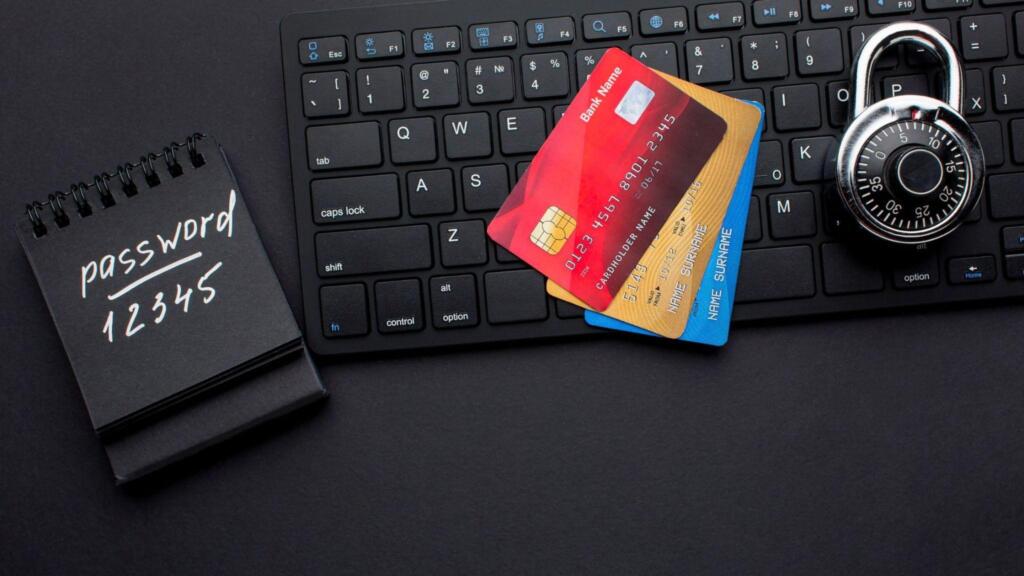
Losing a payment card during an overseas trip can create problems that go beyond just blocking the card. If someone uses the lost or stolen card before the traveller reports it, they may face an unauthorised financial loss.
A fraudulent payment card cover is a travel insurance benefit designed for this situation. It may reimburse eligible losses from fraudulent transactions, subject to the policy terms, benefit limit and claim requirements.
What This Benefit Actually Covers
The purpose of this cover is to address financial loss caused by the unauthorised use of a payment card that is lost or stolen during the insured trip. The benefit generally applies when fraudulent transactions occur within the period defined in the policy and before the loss is reported to the card issuer.
For many travellers, the best travel insurance is one whose benefits meet their needs. Plans from providers such as HDFC ERGO may include fraudulent payment card cover, so it is important to check whether this benefit forms part of the selected policy.
Which Payment Cards May Come under the Cover?
The exact card types depend on the policy wording. A travel policy may specify payment cards such as:
- Credit cards
- Debit cards
- Forex cards
The card normally needs to belong to the insured traveller. Cover should not be assumed for every card carried by a family member, friend or colleague. The policy schedule and benefit wording should be checked to see which cards are covered.
When Can the Benefit Apply?
A claim may become relevant when the insured person’s card is lost or stolen during the covered journey, and an unauthorised transaction occurs before the card issuer is informed.
The important point is that the benefit focuses on the fraudulent transaction, not simply on the physical loss of the card. The amount considered for reimbursement is also subject to the applicable sum insured and policy conditions.
Why Prompt Reporting Matters
Once a card is found missing, quick action can limit further misuse. The traveller should contact the issuing bank or card provider and have the card blocked as soon as possible. The incident may also need to be reported to the local police within the period stated in the policy.
Keeping a record of these reports is useful because they help establish when the card was lost and when the issuer was informed. This timeline can be important during claim assessment.
What Documents Can Help with a Claim?
Card fraud claims usually need clear evidence of the loss and the disputed transactions. Depending on the policy, useful documents may include:
- A police report or other official record
- Written confirmation that the card loss was reported to the issuer
- A card or account statement showing disputed transactions
- A bank investigation report confirming the loss
- The completed claim form and policy details
Additional documents may be requested depending on the circumstances.
Keep the Destination in Perspective
The basic purpose of this benefit remains the same whether a traveller is visiting one country or several. For someone planning a US journey, a travel insurance USA policy may include a combination of medical, baggage, journey and other benefits.
Fraudulent payment card cover should still be confirmed separately in the policy schedule rather than assumed from the destination alone. This is particularly useful when cards are expected to be the main method of payment abroad.
How It Differs from Card Replacement Support
Fraudulent payment card cover is mainly about the money lost through unauthorised transactions on a lost or stolen card. It should not automatically be treated as cover for every expense connected with losing the card.
Replacement charges, emergency cash support or other card-related assistance may fall under different benefits, if available. Reading the benefit description helps separate these services and makes the scope of cover easier to understand.
Final Thoughts
Fraudulent payment card cover can provide financial support when a lost or stolen card is misused during an insured journey. Its value lies in addressing eligible unauthorised transactions rather than the physical card alone.
Travellers should know which cards are covered, how quickly the incident must be reported and what documents may be required. Coverage and claim approval remain subject to the terms, limits and conditions stated in the policy.