
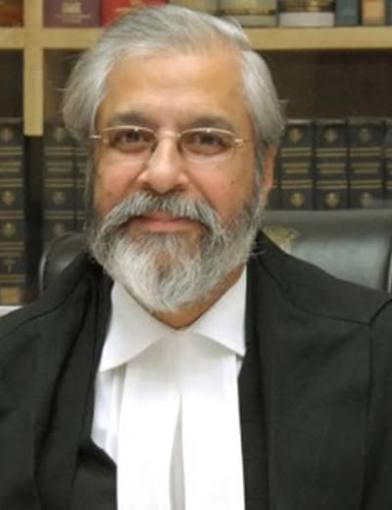
A group of lawyers has put together a five-member panel of retired judges, led by former Supreme Court judge Madan Lokur, to take a hard look at the Election Commission’s Special Intensive Revision of electoral rolls. The Lawyers Association for Constitution announced the move on 2 October, calling it an independent commission that will hold public hearings, collect testimonies and release its findings by December.
The panel plans to travel around the country, listen to people who say they were wrongly added or struck off the rolls, and check whether the whole exercise stayed within the law. Helping the judges will be senior advocates such as Kapil Sibal, Prashant Bhushan, C.U. Singh, Raju Ramachandran, Rebecca John and Vrinda Grover. None of this carries any official power. It is a private effort, and whatever report comes out will only be as persuasive as the evidence behind it.
What makes the timing noticeable is the steady stream of criticism the Election Commission has faced over the revision. Opposition parties and parts of the media have claimed irregularities and targeted deletions. The Commission has pushed back each time. In the middle of that noise comes this new panel, and the man chosen to lead it is Madan Lokur, a retired judge who has rarely been shy about disagreeing with the current government.
Over the years Madan Lokur spoke against the removal of Article 370, questioned the continued use of the Unlawful Activities (Prevention) Act, and joined three other senior judges in that rare 2018 press conference that criticised the then Chief Justice. He was also on the bench that struck down the National Judicial Appointments Commission in 2015, bringing the collegium system back. He has kept friendly ties with Pakistani judges, even attending swearing-in ceremonies of two Chief Justices there. More recently he led a West Bengal panel looking into Pegasus allegations and has publicly defended opposition leaders while criticising how cases involving BJP figures were handled.
Madan Lokur is also an executive committee member of the Commonwealth Human Rights Initiative, an organisation that once received funds from the US State Department. That FCRA licence was cancelled in 2022. In the past he signed statements opposing detention centres set up for people flagged under the National Register of Citizens process. Those connections have left some people wondering how neutral the new commission can really be when it examines an exercise already under political attack.
The Lawyers Association for Constitution itself is quite new. It was launched only in August this year, and Madan Lokur was present at the event. Several of the lawyers now assisting the panel have been among the loudest voices against the Special Intensive Revision. That overlap has raised the obvious question of whether the inquiry will start with an open mind or with conclusions already half-formed.
Those who support the panel say retired judges of this standing bring seriousness and that extra scrutiny of electoral processes is healthy for democracy. They stress the commission will work independently, invite evidence from every side and travel to hear people directly. Critics answer that a body with no legal authority, made up of people who already hold strong public views, risks becoming just another platform for familiar arguments rather than a genuine search for facts.
Meanwhile the Election Commission continues its regular work of revising the rolls under the Representation of the People Act. The Supreme Court has not stopped the process. What weight the eventual report from Madan Lokur and the other four judges will carry depends entirely on how carefully they gather evidence and how fairly they weigh it. For the moment the episode simply shows how often retired judges are stepping into heated political debates long after they have left the courtroom.