
A pro-Al Qaeda publication has celebrated last week’s cockpit attack on a flydubai flight and urged followers to target American and Israeli aircraft. That has raised an obvious question: was the attack planned by Al Qaeda? So far, the evidence does not say so.
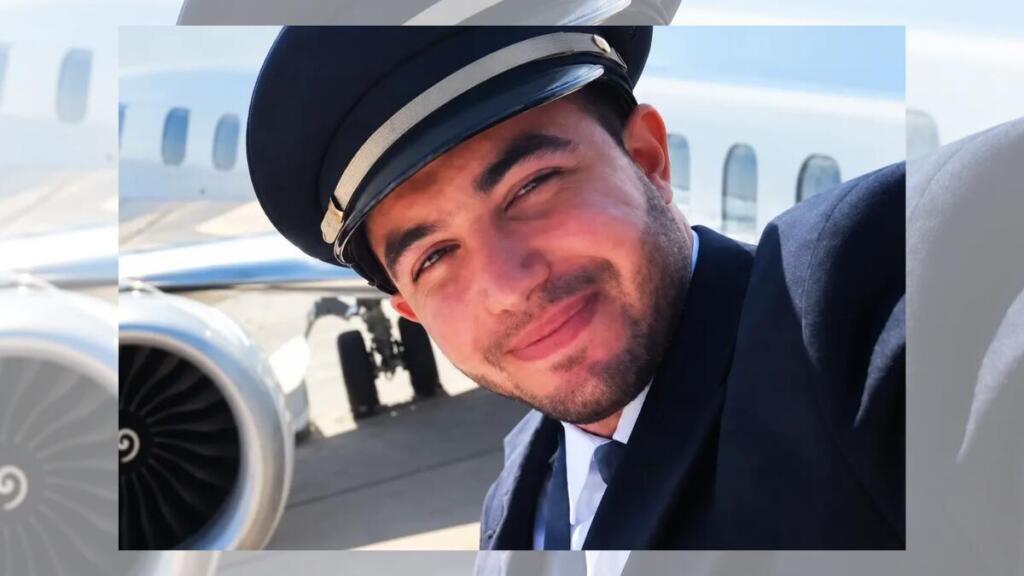
On September 30, flydubai flight FZ1073 was flying from Dubai to Tel Aviv. UAE prosecutors are investigating the incident as a terrorist act. The accused is the Omani co-pilot, Hamam al-Hammami. He allegedly attacked Captain Smit Machchhar with an emergency axe kept in the cockpit.
Machchhar, an Indian national, has said his co-pilot told him he wanted to pray, minutes before striking him from behind. After the captain unlocked the door, a group of Israeli passengers and two off-duty pilots rushed the cockpit, and the plane landed safely. The flight was diverted to Tabuk in Saudi Arabia, and the UAE says the attack nearly crashed the aircraft with 182 people aboard. Saudi Arabia later handed the suspect to the UAE.
What Al Qaeda’s supporters said
The praise came from al-Bayan, a weekly publication launched in July by pro-Al Qaeda supporters and circulated on Telegram channels before being taken down. Its latest edition reportedly led with the attack under a headline linking 11 September and 30 September. It carried an image of an aircraft hitting the World Trade Center next to one referencing the flydubai attack. It also reportedly argued that planes carrying “Zionists, Americans” and others remain targets.
The distinction matters. Praising an attack is not the same as claiming it, and a supporters’ publication is not the group’s official leadership.
Who is behind it? What we know and don’t
Investigators have so far established no operational connection between al-Hammami and Al Qaeda or any other terrorist organisation. The UAE has not publicly set out a motive or said whether he acted alone. Authorities are examining his employment history, online activity and contacts.
CNN reported that images tied to terrorist groups appeared on social media accounts linked to him about nine hours after the attack. The Financial Times, citing sources on the Australian investigation, reported he had visited radical mosques and extremist websites while in Australia. Israeli Prime Minister Benjamin Netanyahu has said he underwent “Islamist radicalisation” and warned that whoever sent him would pay a heavy price. That wording implies a sponsor, but no evidence of one has been made public.
He spent time in Syria, but UAE authorities have not confirmed when he was there, and the 2011-2017 timeline circulating online is speculation. He was previously flagged as a security risk at Oman Air, which I have only seen in that one source.
Netanyahu has said a “loophole” appeared to let the Omani pilot work the flight to Israel, and that Israel will tighten its checks. If he was flagged earlier, as reported, the case raises hard questions for airlines and regulators about how risky crew are screened and how that information is shared between carriers and countries.