
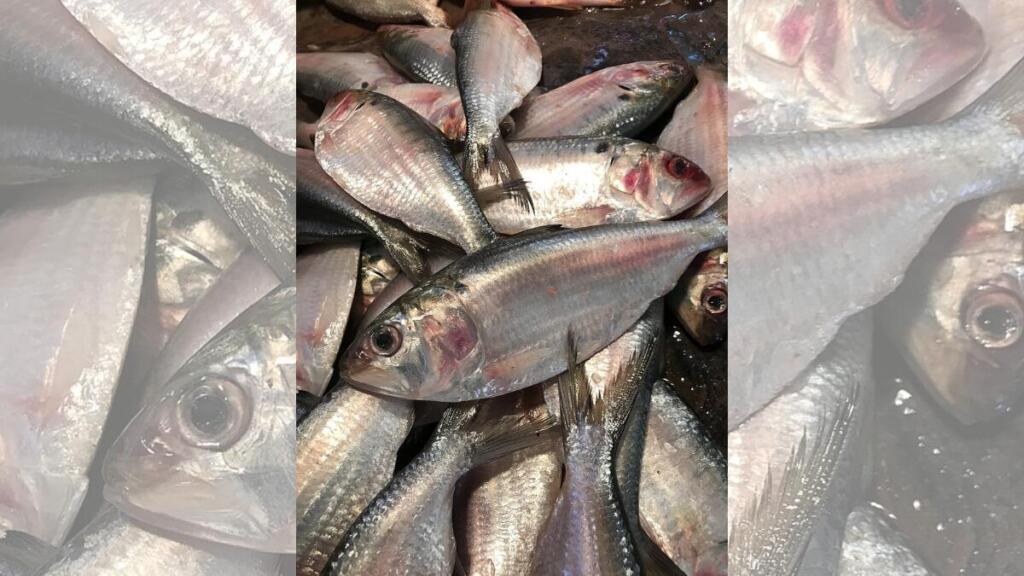
Bengal’s Durga Puja celebrations this year could go on without their most cherished culinary companion, as Bangladesh has neither exported nor imported Hilsa to and from India in the run-up to the festival, marking a sharp break from a practice that has endured — with occasional interruptions — since 2019.
According to a report in The Indian Express, fish traders in Kolkata say Dhaka has abruptly cancelled all import permits through a circular issued on September 23, while also declining to release its customary festive-season export quota for India. Syed Anwar Maqsood, secretary of the Fish Importers Association in Bengal and the Howrah wholesale fish market, said the window for shipments has effectively closed, with permits scrapped and no fresh approvals in sight.
The development is doubly striking because it comes barely weeks after India shipped roughly 500-580 metric tonnes of Hilsa to Bangladesh — a rare reversal of a trade route that has historically flowed the other way. That surge in Indian exports was driven by a bumper catch off Gujarat’s coast and comparatively soft domestic demand, and moved largely through the Petrapole land route.
Bangladesh’s Department of Fisheries has reportedly cancelled no-objection certificates issued to over a hundred importers, a move industry insiders believe is aimed at preventing Indian-origin Hilsa from being passed off in the market as the prized “Padma Ilish,” besides curbing under-invoicing and encouraging domestic consumption. Bangladesh’s Commerce Ministry has said it is awaiting an assessment from the Ministry of Fisheries and Livestock on domestic supply and demand before deciding on any export quota for 2026 — a call that has yet to come, even as at least 18 Bangladeshi exporters have applied for permission to ship the fish to India.
Bangladesh, the world’s largest Hilsa producer, first imposed a blanket export ban in 2012 to protect domestic supply, before Sheikh Hasina’s government began carving out limited, time-bound exceptions ahead of Durga Puja from 2019 onward as a goodwill gesture. Quotas have fluctuated sharply since — 4,000 tonnes in 2023, an initial 3,000 tonnes (later trimmed to 2,420 tonnes) in 2024, and just 1,200 tonnes in 2025 — with actual shipments often falling short of approved volumes due to high local prices and tight shipping windows. Indian traders have this year pushed for a longer export window, arguing that the typical one-month period makes it hard to complete approved shipments in time.
The stand-off also plays out against a broader diplomatic backdrop, with New Delhi and Dhaka navigating a recalibrated relationship following Bangladesh’s February 2026 parliamentary election, even as the seasonal Hilsa trade has retained its symbolic pull as a marker of goodwill between the two neighbours.
For now, with Durga Puja just weeks away, Kolkata’s fish markets face the prospect of a festive season without the Bangladeshi Hilsa that has long been central to Bengali celebration — and traders say time to reverse the decision is fast running out.