
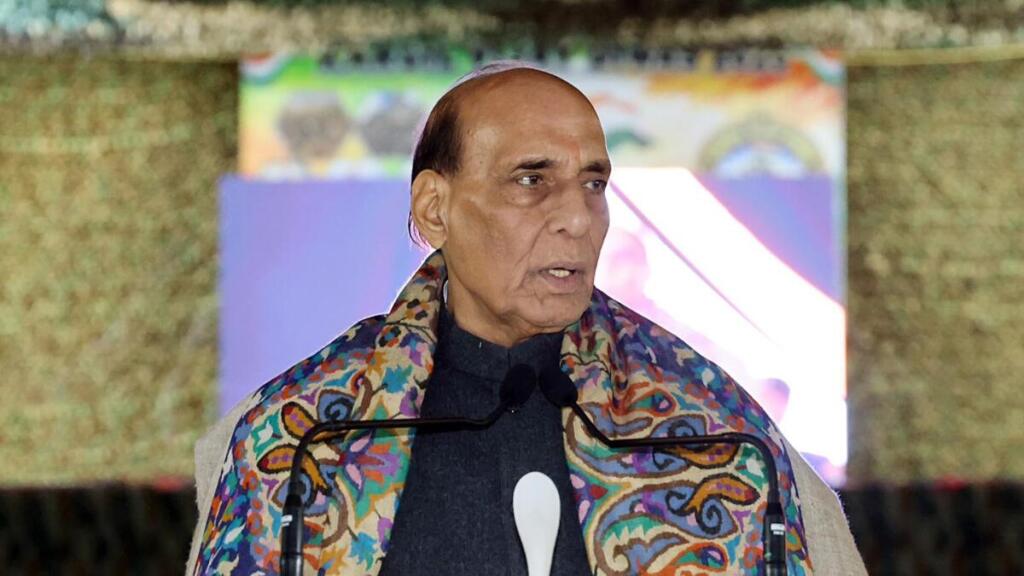
The Defence Acquisition Council (DAC), chaired by Defence Minister Rajnath Singh, gave in-principle clearance on September 7, 2026 to a fresh batch of capital acquisition proposals worth roughly Rs 1,10,000 crore, spanning all three services.
The Indian Army’s share of approvals covers a mix of specialised vehicles and equipment: Chemical, Biological, Radiological and Nuclear (CBRN) Reconnaissance Vehicles designed to detect, identify and mark contamination zones; High Mobility Vehicles to strengthen logistics and movement in tough terrain; and Self-Propelled Mechanised Mine Layers meant to give troops rapid mine-laying capability in difficult conditions.
Also cleared were Advanced Light Helicopters — which will serve both the Army and the Air Force across varied missions and terrain — along with Trawl Tanks and the Sarvatra Bridge System, both intended to help combat units cross obstacles during operations.
Navy to get new radars and indigenous ship propulsion
For the Navy, the Council approved acquisition of Arudhra radars, which will take over from the existing Air Route Surveillance Radars at naval air stations. It also cleared the design, development and eventual procurement of Marine Gas Turbines — engines used to power warships — a move aimed at cutting the Navy’s reliance on foreign suppliers for this critical technology.
Air Force approvals target jamming, secure access and combat platforms
The Air Force secured approvals for multiple upgrades meant to boost the combat readiness of its fighter, transport and helicopter fleets. Two other notable clearances were the Ground-Based Multi-Purpose Jammer, intended to disrupt adversary radar systems, and the Defence Forces Secure Access Card (DEFSAC) system, which will replace the services’ paper-based ID cards and passes with RFID-enabled smart cards.
Officials noted that about 98% of the total value of these approvals is earmarked for procurement from Indian industry, underlining the continued push toward self-reliance in defence manufacturing.