
Dubai witnessed something far bigger than a cricket final on Sunday night. India’s women didn’t just thrash Sri Lanka by a commanding 72 runs to lift their record-extending eighth Women’s Asia Cup title — they showed the world that Indian sportswomen play by their own rules, and national dignity comes before any trophy.
A Statement, Not a Snub
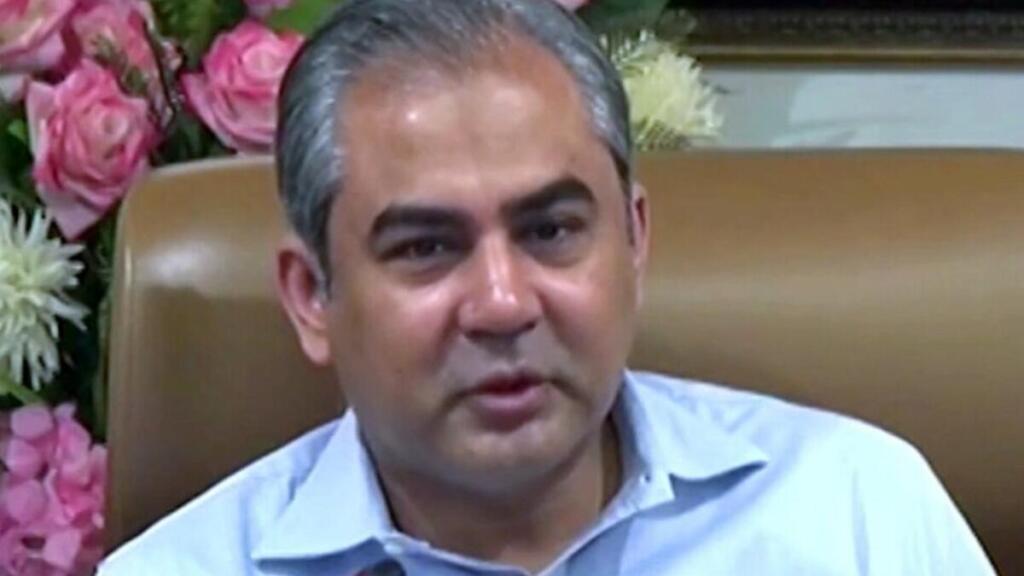
When it came time for the presentation ceremony, the Women in Blue didn’t even step out of the dressing room. Mohsin Naqvi — Pakistan’s Interior Minister moonlighting as Asian Cricket Council chairman — stood waiting with the trophy. India’s champions gave him nothing but silence. No handshake, no photo-op, no legitimacy handed to a man whose PCB has spent a year turning Asian cricket’s biggest stage into a political circus.
This wasn’t impulsive. It was continuity. When the men’s team refused the same trophy from the same man after beating Pakistan in the 2025 final, Naqvi held the ceremony hostage for over an hour rather than let a neutral official do the honours. India’s women simply picked up where the men left off — and did it without blinking, without negotiating, and without giving Pakistan’s cricket administration the reaction it was clearly fishing for.
Winning On the Field, Winning Off It
What makes this generation of Indian women cricketers remarkable isn’t just the trophy count — though an eighth Asia Cup title is a dynasty by any standard. It’s that they’ve paired that dominance with a clear-eyed sense of where India’s red lines sit. BCCI secretary Devajit Saikia put it plainly: the team tried to find a workable solution before the ceremony, it didn’t materialise, and there were “no regrets.” No theatrics, no apologies — just a team secure enough in its own excellence to walk away from a photo it didn’t need.
Saikia’s follow-up line deserves attention too: this controversy, he said, shouldn’t take anything away from a tournament where India won every single match one-sidedly. That’s the real headline — a women’s team that has quietly become one of the most dominant forces in world cricket, doing it on a continent where a neighbouring board keeps trying to make cricket about anything except the cricket.
The Other Side Blinked First
It’s worth remembering who actually caused this mess. Naqvi is simultaneously Pakistan’s Interior Minister, the PCB chairman, and the ACC president — a concentration of political and cricketing power that no neutral sporting body should tolerate. India offered him an easy out during last year’s men’s final, willing to accept the trophy from a neutral Emirates Cricket Board official instead. He refused to step aside, choosing instead to make himself the story. History repeated itself on Sunday, and once again, it was Pakistan’s man holding an unclaimed trophy while India celebrated a title that needed no silverware to be legitimate.
India’s cricketers — men and women alike — have now made their position unmistakably clear: they will not lend credibility to officials who use their board’s dominance to score political points instead of running the game fairly. The women’s team proved on Sunday that this isn’t a one-off stand. It’s a standard.
India’s women didn’t need Mohsin Naqvi’s trophy to prove they’re the best team in Asia. The scoreline did that. What they proved by walking away is that Indian sport has zero tolerance left for a Pakistani official trying to turn a cricket ceremony into a geopolitical stage — and that this generation of women cricketers has the same steel as the men who set the precedent a year earlier.