
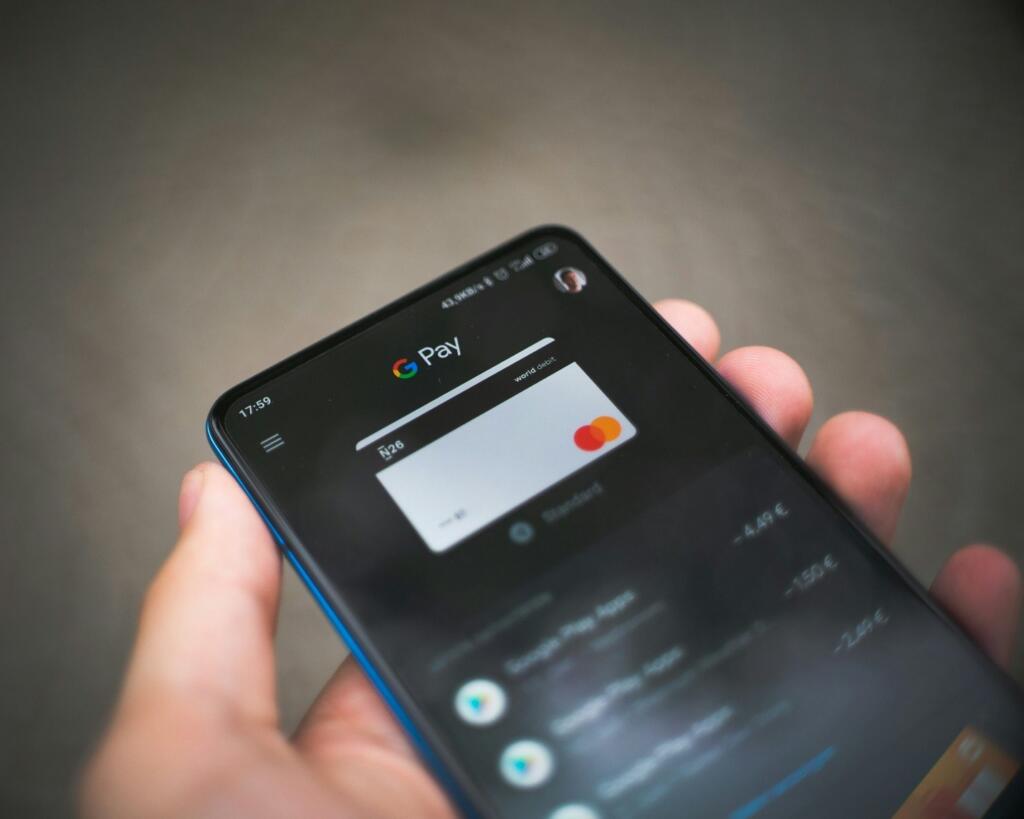
A phone case, a festival outfit, a two-month gym pass. None of these used to need financing.
Now a growing share of Indian shoppers pay for them in three or four small installments instead of one card swipe.
That shift shows up in the numbers. Personal loans make up nearly a third of total non-food credit in India’s banking system.
Lending tied to phones and other electronics is rising fastest of all.
That comes from Reserve Bank of India data cited in a Reuters report on small-loan recovery powers.
Checkout screens have adapted to that appetite. Streaming renewals, food delivery top-ups and even an online casino session now sit alongside EMI toggles once reserved for refrigerators and motorbikes.
A 2024 industry study found that over a third of consumer electronics purchases, including phones, already happen through small-ticket loans rather than upfront payment.
Where Digital Subscriptions And Online Casino Spending Fit Into That Credit Habit
Digital spending habits rarely stay confined to one category once EMI becomes an option at checkout. A user who splits a subscription bill into three payments applies the same logic elsewhere online.
Gaming platforms, including casino-style sites, have picked up on that pattern. Wallet top-ups get bundled the same way phone bills do.
That lets a player fund a session without moving a lump sum out of a bank account in one go.
It does not make the underlying spending bigger. It changes the rhythm of it, spreading a modest outlay across a few weeks instead of one transaction.
That spread-out pattern is the exact behavior driving EMI growth across every small-ticket category, from gadgets to entertainment wallets.
Why Small Purchases Now Come With A Payment Plan
Fintech checkout partners made this shift technically effortless. A shopper reaching ₹3,000 at an online store increasingly sees a “Pay in 3” button before the full price even loads.
That button did not exist widely five years ago. Merchant-funded BNPL plugins spread through e-commerce checkouts once UPI rails made instant approval and disbursal near-frictionless.
Card issuers noticed the traffic moving elsewhere. Most large banks now let customers convert a single card swipe into an EMI after the purchase.
Sometimes that conversion takes one tap inside a banking app, with no extra paperwork or branch visit required.
The convenience cuts both ways. Splitting a ₹2,000 purchase into installments used to feel unnecessary; now it feels like the default.
Merchants price accordingly, nudging shoppers toward the EMI toggle at the exact moment they hesitate over a total.
Cards And Apps Are Competing For The Same Checkout Moment
Banks, NBFCs and standalone fintech lenders are chasing the same transaction. A single online order can trigger three separate EMI offers at once.
One comes from the card network, one from a checkout-embedded lender, and one from the merchant’s own financing partner.
That competition has pushed average ticket sizes down across the industry. Where EMI once started around ₹10,000, it now starts far lower.
Several fintech products approve financing for purchases under ₹2,000, a threshold that would have seemed pointless to finance a few years ago.
Approval speed matters more than interest rate to many first-time users. A decision that once needed a branch visit now clears in seconds through a pre-linked digital profile.
What Rising Unsecured Credit Stress Means For Borrowers
Analysts are watching the same trend with more caution. Recent banking data flagged rising stress in unsecured retail lending.
Slippages in unsecured retail loans made up 53.1% of total retail loan slippages at scheduled commercial banks, even as overall asset quality stayed broadly stable.
Nearly half of borrowers taking new personal loans or credit cards already carry another loan, often a bigger one like a home or vehicle loan.
Stacking several small EMIs on top of that existing load is where repayment strain tends to start for a household budget.
Lenders have responded by tightening approval norms since late 2023. Steadier repayment history now counts for more than instant, no-questions financing.
None of this has slowed adoption. Small-ticket EMI keeps expanding because it matches how Indian consumers already shop.
They shop frequently, digitally and increasingly through a phone screen rather than a physical wallet or a bank counter.
What has changed is the arithmetic behind each purchase. A ₹1,500 order is no longer a single decision made once at checkout.
It is a short repayment schedule, agreed to in the seconds before checkout, that quietly reshapes how disposable income gets tracked across a month.