
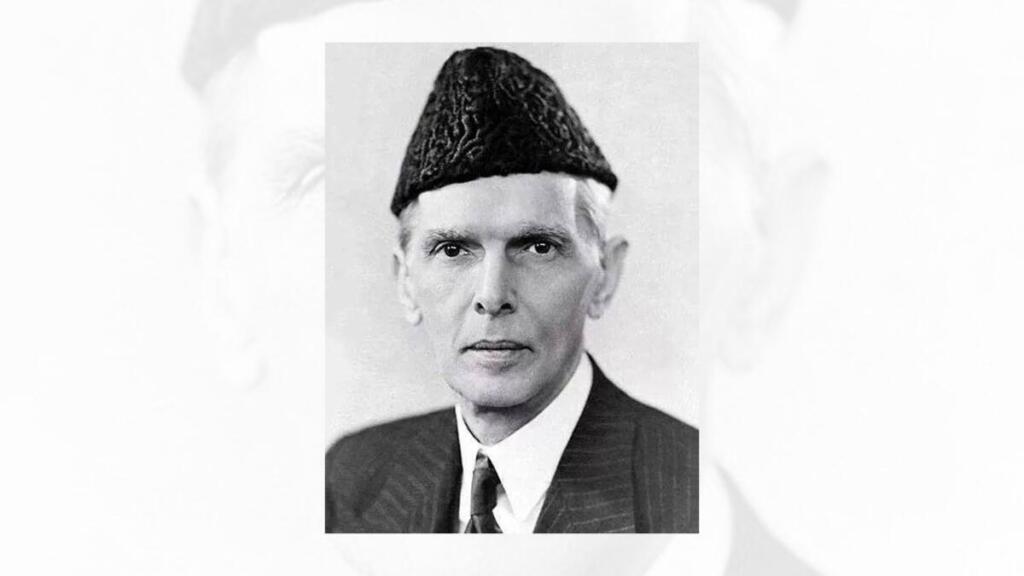
Pakistan plans to confer its highest civilian award on two doctors from Mumbai, nearly 80 years after they chose not to disclose that Muhammad Ali Jinnah was seriously ill with tuberculosis in the run-up to Partition.
Dr Jal Ratanji Patel, a physician, and Dr Jal Dhaybho-Koo, a radiologist, have been nominated for the Nishan-e-Imtiaz, Pakistan’s minister for planning, development and special initiatives, Ahsan Iqbal, said. Iqbal, who chairs the country’s awards committee, announced the nomination in a post on X, formerly Twitter.
“I feel honoured to have had the privilege, as chairman of the Awards Committee, of nominating for the Nishan-e-Imtiaz two remarkable doctors, a physician and a radiologist, both members of Bombay’s Parsi community, who faithfully guarded the secret of Quaid-e-Azam Muhammad Ali Jinnah’s terminal illness,” Iqbal wrote, using the honorific by which Jinnah is known in Pakistan. The award ceremony is scheduled for March next year.
Both doctors, based in Bombay, now Mumbai, examined Jinnah in 1946. According to accounts of the episode, an X-ray showed that his tuberculosis was considerably more advanced than was publicly known, and that he might have had only a year or two left to live. Jinnah had been dealing with the disease since the 1930s, in an era before antibiotic treatment was widely available, and only a small circle of people were aware of how serious it was.
At the time, Jinnah was leading the demand for a separate homeland for India’s Muslims and was at the centre of negotiations over the future of British India. Historical accounts have suggested that senior British and Indian leaders involved in those negotiations might have taken a different approach had they known he was terminally ill. Patel and Dhaybho-Koo kept their findings within a small circle instead of making them public.
Pakistan became independent on August 14, 1947, with Jinnah as its first governor-general. He died on September 11, 1948, about 13 months later, with pulmonary tuberculosis given as the cause of death. The extent of his illness remained largely concealed through the final years of his political life.