
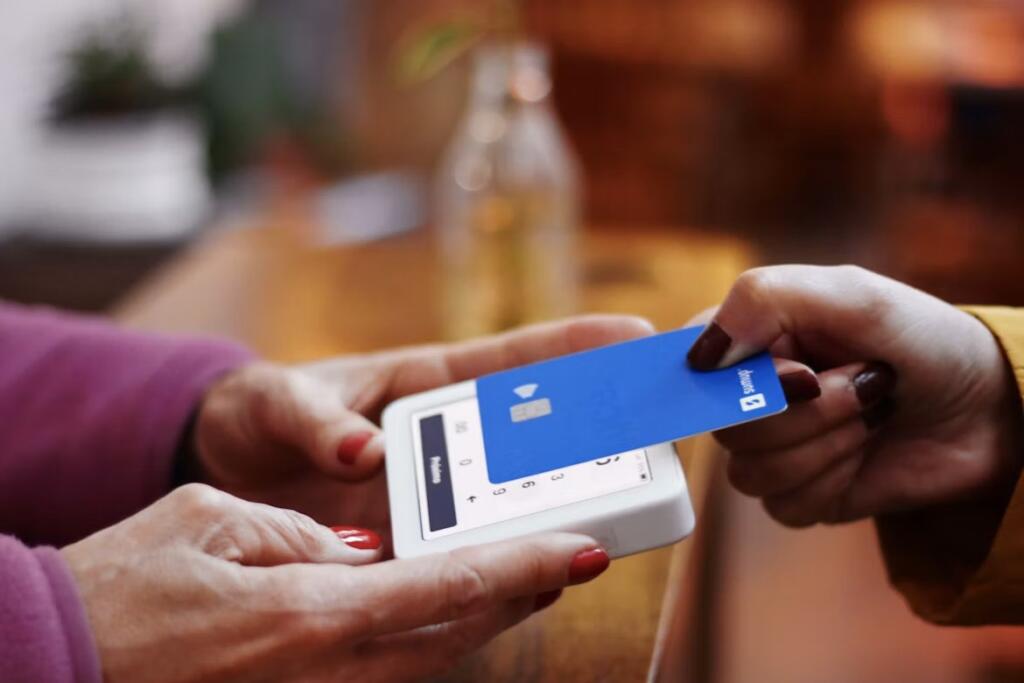
The shift from physical cash to digital transactions is more than just a change in habit; it’s fundamentally reshaping economies worldwide. As more and more people and businesses adopt electronic payment methods, the effects spread, making things more efficient, opening up new markets, and creating fresh opportunities for growth. This evolution in how we exchange value is a powerful force driving economic development, both locally and globally.
The Rise of Digital Transactions
The global move toward digital payments has really picked up speed, thanks to how convenient, secure, and accessible they are. For customers, paying with a phone or card means no more carrying cash. For businesses, it simplifies record-keeping and cuts down on the risks that come with handling physical money. This change also has a big impact on the economy as a whole. Research into digital payments and economic growth clearly shows a strong link, especially in how it helps bring economic activity out into the open. When transactions move from under-the-table cash exchanges to trackable digital records, they become part of the formal economy. This leads to a more accurate measure of GDP and expands the tax base.
Boosting Small Business Resilience
Digital payment systems are a crucial tool for small and medium-sized enterprises (SMEs) looking to compete and grow. In the past, not being able to accept non-cash payments could severely limit a small business’s customer base. Today, modern point-of-sale systems and e-commerce platforms allow even the smallest merchants to serve customers however they prefer to pay. This flexibility is key to staying strong. By adopting technology that lets them easily accept credit cards, mobile wallets, and other digital payment forms, small businesses can improve their cash flow, reduce payment hassles, and reach a national or even global customer base online. This evens the playing field, helping them build a stable financial foundation.
Streamlining Global Trade Flows
Internationally, digital payments are breaking down old trade barriers. Cross-border commerce used to be slowed down by expensive, complex payment systems that involved many banks and currency conversions. Modern financial technology, or fintech, makes this process much simpler. Digital platforms can handle international payments faster, more transparently, and with lower fees than traditional wire transfers. This is especially transformative for businesses in developing nations. The ongoing payments revolution in emerging markets lets entrepreneurs there connect directly with global supply chains and customers, fostering economic integration and opportunity.
How Modern Systems Accelerate Commerce
The speed of modern payment systems directly boosts commerce. Real-time payment networks, which settle transactions in seconds instead of days, significantly increase how quickly money moves through an economy. When a business gets paid instantly, it can immediately reinvest that money into inventory, payroll, or expansion without waiting for funds to clear. This acceleration creates a ripple effect. A manufacturer paid instantly by a retailer can then pay its raw material supplier right away, who in turn can pay its employees sooner. Each step in this chain happens faster, allowing more economic activity to occur within the same timeframe and driving overall productivity.
Future Trends in Financial Technology
Innovation in financial technology shows no signs of slowing down. Looking ahead, several trends are set to further influence economic structures. Governments worldwide are exploring Central Bank Digital Currencies (CBDCs) as a way to create more efficient and inclusive payment systems. Artificial intelligence and machine learning are becoming increasingly good at detecting fraud in real time and personalizing financial services for both consumers and businesses. Plus, distributed ledger technologies offer the potential for even more secure and transparent transaction systems, especially for complex, multi-party processes in trade and finance. These advancements will continue to reduce friction and open up new economic possibilities.
The ongoing evolution of payment technology isn’t just about convenience; it’s a core driver of modern economic vitality. By making transactions faster, cheaper, and more inclusive, digital systems are building a more dynamic and interconnected global marketplace.