
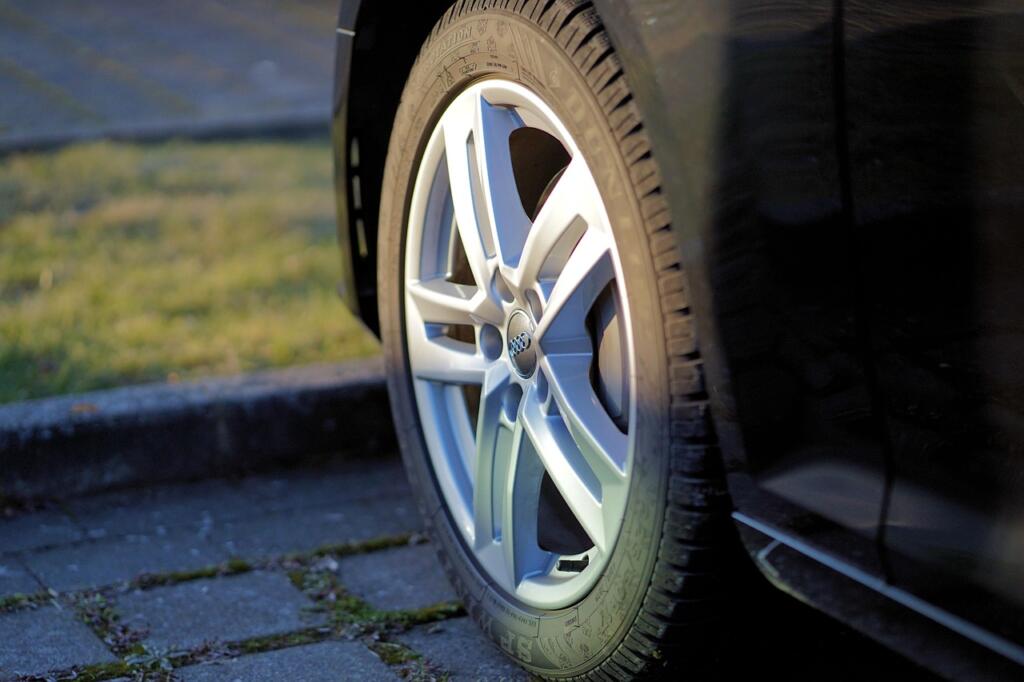
Quick Summary
- Don’t just look at the sticker price. A cheap invoice today can mean a lot of downtime and short tread life down the road.
- Check how deep their network really goes. You want a supplier with dealer support across the country and stock that doesn’t run dry.
- Ask the hard questions upfront. Get real answers on delivery windows, warranty terms, and pricing, not vague reassurances.
- Watch for warning signs. Patchy inventory, fuzzy replacement policies, and zero technical support are all red flags.
- Think long term. The real payoff comes from car tyres that last, pressure systems that actually work, and someone on the other end of the phone who knows your account.
Running a fleet, or even just buying parts for a business that’s growing, gets messy fast. You order fifteen sets of tyres, expect them Tuesday, and two vehicles end up sitting idle until Thursday because nobody mentioned a backorder. Meanwhile, your fuel bill creeps up because the discount rubber you bought last quarter is already wearing unevenly.
Buy car tyres on price alone, and you’ll often end up paying twice, once at checkout and again in lost road hours and early replacements.
Finding a tyre vendor you can actually rely on isn’t complicated, but it takes a bit of a process. You need a partner that keeps your vehicles running without last-minute surprises or excuses.
Where to Look for Qualified Suppliers
Finding vendors worth your time means cutting through the marketing noise. A quick internet search alone won’t get you there.
Check OEM partnerships. Look at which suppliers equip vehicles right off the assembly line. When a manufacturer gets that kind of approval, it means they’ve already passed serious safety, durability, and quality checks.
Look at how far the network actually reaches. A vendor might quote you a great rate in your home city, but can they help if a vehicle blows a tyre three states away? Go with suppliers that have real regional coverage and dedicated outlets, not just a warehouse and a website.
Check the certifications. Confirm the manufacturing plants hold recognised standards, things like ISO 9001 for quality control and awards from bodies like the British Safety Council for how they run operations.
5 Direct Questions to Ask Before Signing a Contract
When you’re sitting across from a sales rep, skip the small talk. Ask the questions that actually show how they handle problems when things go wrong.
- What’s your guaranteed delivery timeline for bulk orders? If they can’t give you a firm window, expect delays down the line.
- How do you handle warranty claims for premature wear or road hazards? Look for a written policy, not a verbal promise you can’t hold anyone to.
- Do you offer fixed pricing for annual supply agreements? Unpredictable price hikes can wreck a quarterly budget fast.
- What technical support do you provide after delivery? Good suppliers help with fleet pressure checks, mounting guidance, and alignment advice, not just the sale.
- Can you supply treads suited to different conditions? Whether you’re running executive sedans, city hatchbacks, or delivery vans, different roads call for different treads.
Red Flags That Signal an Unreliable Supplier
Catching a bad car tyre supplier early can save your business real money. Walk away if you spot any of these.
Vendor Red Flags
- Vague warranty language full of exemption clauses
- No way to track real-time stock across regional hubs
- Prices that look too low, until you see the shipping charges
- No local technical staff or account manager to call
- Tread designs that keep changing, making fleet stocking a headache
If a sales rep hesitates when you ask about supply chain stability, there’s a good chance they’re leaning on unreliable importers. And that means when you need urgent replacements, your fleet is the one that sits stranded.
Measuring Real Value Beyond the Price Tag
A budget option might cost less today, but a well-made product brings your total cost per kilometer way down over time.
| Evaluation Metric | Cheap Alternative | Reliable Market Partner | Operational Impact |
| Initial Purchase Price | Very low | Fair and transparent | Short-term cash savings |
| Tread Life Expectancy | Low (20k-30k km) | High (60k+ km) | Fewer replacement cycles |
| Rolling Resistance | High | Low / optimised for efficiency | Direct fuel savings, up to 5% |
| Warranty Support | Slow and difficult | Fast replacement credits | Less admin headache |
The better suppliers also bring in smart technology, things like integrated Tyre Pressure Monitoring Systems, or TPMS. Real-time sensors flag air leaks before heat builds up, which stops a slow leak from turning into a blowout.
What a Genuine Supplier Partnership Looks Like
Once you land the right partner, things change. You stop chasing order updates every other day and start actually working together to keep costs down.
A supplier worth keeping gives you one dedicated account contact, someone who knows your routes, your vehicle models, and your replacement schedule without you having to explain it every time. They’ll flag seasonal price changes before they hit and help you stock the right specs ahead of your busiest periods.
Work with an established tyre company, and you get stability that’s hard to put a number on: predictable billing, stock that’s actually there when you need it, and rubber built to handle rough roads.
Final Words: Build Your Fleet on Proven Reliability
Picking a tyre company isn’t just paperwork. It’s a decision that touches your daily operations, your driver safety, and your bottom line at the end of the year.
A market leader like JK Tyre brings decades of engineering know-how, a wide retail footprint, and smart car tyre tech to the table. Partner with a proven name in the industry and your vehicles stay on the road, your fuel costs stay in check, and your business keeps moving.
FAQs
What should I check first when buying a new car tyre set for a business fleet?
Start with the treadwear rating, load index, and speed rating, and check them against your vehicle manufacturer’s baseline. After that, look at the supplier’s warranty policy and how much stock they actually keep locally, so you’re not left waiting on replacements.
How do I know if a tyre supplier offers fair pricing?
Look past that initial invoice price and calculate your cost per kilometer instead. You’ll want a complete quote upfront that lays out shipping fees, mounting charges, new valves, and bulk order discounts. Hidden fees have a nasty way of showing up later if you don’t ask early.
Why does smart tyre tech matter for passenger fleets?
Smart sensors check internal air pressure and temperature around the clock. When tyres run low on air without anyone noticing, they burn extra fuel and wear out fast on the edges. Catching those leaks right away stops sudden highway blowouts and keeps your drivers out of harm.
What’s the real lifespan of a decent car tyre?
Most good tyres last between 50,000 and 70,000 kilometers, but that’s just a general target. Rough country roads, heavy trunk loads, and aggressive driving can chew through a fresh set much faster. Skipping routine wheel alignments will also shave thousands of kilometers right off their usable life.
How often should we run tyre inspections on our fleet vehicles?
Air pressure needs a quick look every week, though smart sensors take care of that for you automatically. Plan for hands-on inspections every month or 5,000 kilometers to catch sidewall scrapes, uneven tread wear, and alignment problems early. Fixing a small issue during routine checks beats dealing with an idle vehicle on a busy weekday.