
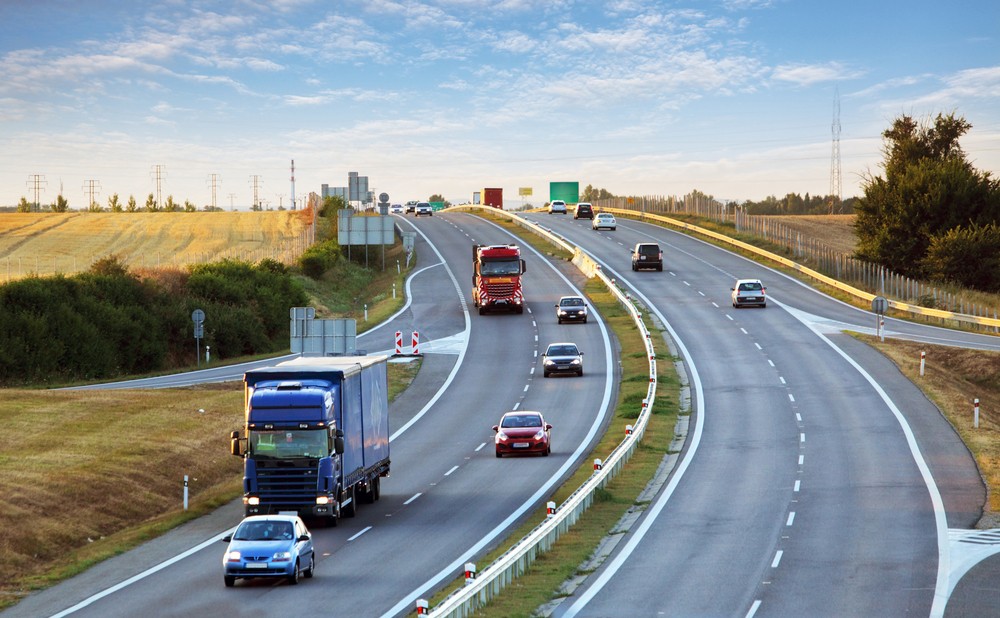
Some of the most important defensive driving tips for sharing the road with a semi-truck are to stay out of the truck’s blind spots and give it more room than you’d give a regular car. Semi trucks are heavier, slower to stop, and their drivers can’t see nearly as much around them as you’d expect.
Trucks take longer to brake, swing wide on turns, and carry blind spots big enough to hide an entire car. Most crashes between trucks and passenger vehicles happen because the smaller vehicle didn’t understand these limits, not because anyone was driving recklessly on purpose.
But sharing the road with semi trucks is much safer when you make small adjustments and engage in defensive, cautious driving. Once you know what to watch for, it becomes second nature.
This article covers some key tips that actually help you drive along with the large trucks carefully.
Why Semi Trucks Are More Dangerous to Share the Road With
Federal data points out that in 2023, 4,807 people died in crashes involving large trucks in the U.S. A small misjudgement behind a truck can turn into a real problem fast. That’s why staying cautious around commercial trucks is a clear necessity.
When something goes wrong involving a semi, everyone else on that stretch of road gets put at risk, not just the two vehicles directly involved.
5 Defensive Driving Tips When Sharing the Road with a Semi Truck
- Stay out of the “no-zones”
Trucks have blind spots on all four sides, called “no-zones,” where your car simply disappears from the driver’s view. The rear no-zone can stretch close to 200 feet behind the trailer, and the front one extends 20 to 30 feet ahead.
- Keep extra distance when following
Because of that long rear no-zone, tailgating a truck is riskier than it looks. Give yourself at least a 4-second gap and more time during night travel and in bad weather. Because a safe distance actually buys you reaction time and keeps you visible.
Pro tip: If you can’t see the driver’s face while passing, you’re still in a no-zone. Speed up or drop back until you’re clear.
- Watch for wide turns
Commercial semi trucks carry heavy loads and actually weigh more than 80000 pounds, and that weight makes their turns slower and sometimes surprisingly wide. If you’ve been driving behind a truck for a while, pay close attention to its signals and give it room to swing before you try to move up alongside it.
- Avoid cutting in front or braking suddenly
A fully loaded truck needs far more distance to stop than your car does. Cutting in front of one and tapping your brakes doesn’t leave the driver enough room to react, and that split-second decision can end badly for everyone.
- Handle all the driving basics right
Buckle up every time, stay patient instead of forcing gaps in traffic, and skip the drive altogether if you’re feeling even slightly fatigued. These sound obvious, but they’re the habits that hold everything else together.
Defensive driving around semi trucks isn’t about being scared of them; it’s about respecting how differently they move on the road. A little extra patience and awareness protect you, the truck driver, and everyone else sharing that same stretch of highway.
Key Takeaways
- Semi trucks have four major blind spots, also called “no-zones,” where your vehicle becomes invisible to the truck driver.
- Always keep at least a 4-second following distance behind trucks, and more during nights and hard weather.
- Pass quickly, but only when you can see the driver’s face in their mirror; it’s a green flag to move forward.
- Give trucks extra room on turns, particularly on the right side, since their size and heavy load make turning slower and wider.
- Never cut in front of a truck or brake suddenly, since trucks need much more distance to stop.