
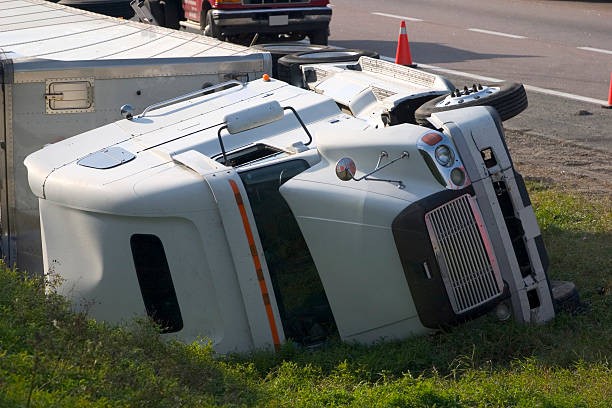
Drivers should know that oversized load truck accidents can cause severe injuries, major traffic disruptions, and complicated liability issues because these trucks carry unusually large or heavy cargo that requires special safety precautions. Understanding how oversized trucks operate and the risks they create can help drivers stay safer on the road and respond properly if an accident occurs.
Oversized trucks are commonly used to transport construction equipment, industrial machinery, mobile homes, steel beams, and other large cargo across highways and city roads. Because these loads often exceed normal width, height, or weight limits, trucking companies usually need special permits and must follow strict transportation rules.
These large vehicles can be difficult to maneuver, especially in heavy traffic, narrow lanes, or poor weather conditions. After an oversized load truck accident, drivers are often left dealing with serious injuries, vehicle damage, and questions about who may be legally responsible.
What Is Considered an Oversized Load?
An oversized load is cargo that exceeds legal size or weight limits established by state or federal transportation laws. These trucks may require warning signs, escort vehicles, flashing lights, and special routing approvals.
Oversized loads may include the following:
- Construction equipment
- Wind turbine parts
- Industrial machinery
- Large pipes or steel materials
- Mobile homes
Because of their size, these vehicles present additional safety risks to surrounding drivers.
Why Oversized Trucks Are More Dangerous
Oversized trucks are harder to control than standard commercial vehicles. Their increased size and weight can limit visibility, increase stopping distance, and make turning more difficult.
These trucks may create hazards such as the following:
- Wide turns into neighboring lanes
- Difficulty braking quickly
- Limited driver visibility
- Cargo shifting during transport
- Lane blockages on narrow roads
Even a small driving mistake can lead to a serious collision.
Common Causes of Oversized Load Accidents
Many oversized truck accidents happen because of driver negligence, improper cargo securement, or transportation violations.
Common causes include:
- Improperly secured cargo
- Driver fatigue
- Speeding
- Distracted driving
- Unsafe lane changes
- Poor route planning
In some cases, trucking companies may fail to follow required safety procedures before transporting oversized cargo.
Cargo Securement Is Extremely Important
Cargo securement plays a major role in preventing accidents involving oversized trucks. If the cargo shifts or falls during transport, nearby drivers may face serious danger.
Federal Motor Carrier Safety Regulations under 49 CFR § 393 establish cargo securement requirements for commercial vehicles transporting heavy loads.
Improperly secured cargo may cause the following:
- Cargo spills onto the roadway
- Trailer instability
- Vehicle rollovers
- Multi-vehicle accidents
Routine inspections and proper loading procedures are essential for safety.
Oversized Trucks Often Require Special Permits
Most states require trucking companies to obtain special permits before transporting oversized loads. These permits may include restrictions on travel routes, driving hours, and escort vehicle requirements.
Permit rules often regulate:
- Maximum load width
- Vehicle height
- Weight limitations
- Approved travel times
Violating permit requirements may increase liability after an accident.
Escort Vehicles Help Improve Safety
Some oversized loads require escorts or pilot vehicles to warn nearby drivers and help guide trucks safely through traffic.
Escort vehicles may help by:
- Warning traffic of wide loads
- Assisting with lane changes
- Helping navigate intersections
- Monitoring road hazards
Without proper escort support, oversized loads may become even more dangerous on busy roads.
Injuries in Oversized Load Accidents Can Be Severe
Because of the size and weight involved, oversized truck accidents often lead to serious injuries.
Common injuries may include:
- Traumatic brain injuries
- Spinal cord injuries
- Broken bones
- Internal injuries
- Severe whiplash
Passenger vehicles involved in collisions with large commercial trucks often suffer extensive damage.
Determining Liability Can Be Complicated
Several parties may share responsibility after an oversized truck accident. Liability depends on how the crash occurred and whether safety regulations were violated.
Potentially liable parties may include:
- Truck drivers
- Trucking companies
- Cargo loading companies
- Vehicle maintenance providers
- Permit holders
Investigators often review driver logs, cargo records, inspection reports, and trucking permits.
Evidence Is Important After an Accident


Strong evidence can help determine fault and support injury claims after a trucking accident.
Helpful evidence may include:
- Police reports
- Witness statements
- Dashcam footage
- Cargo inspection records
- Truck maintenance logs
- Driver qualification records
Quick investigations are often important because trucking companies may control much of the evidence.
Compensation May Be Available to Victims
Victims injured in trucking accidents may seek compensation for both financial and personal losses.
Potential damages may include:
- Medical expenses
- Lost wages
- Pain and suffering
- Property damage
- Rehabilitation costs
The severity of injuries and the circumstances of the accident often affect the value of a claim.
Key Takeaways
- Oversized load truck accidents can cause serious injuries and major roadway hazards.
- Oversized loads include large cargo such as machinery, steel beams, and construction equipment.
- Common accident causes include cargo securement failures, driver negligence, and permit violations.
- Federal cargo securement rules under 49 CFR § 393 help regulate trucking safety.
- Oversized trucks often require permits and escort vehicles for transportation
- Multiple parties may share liability after an accident.
- Evidence such as inspection records and driver logs is important in trucking accident investigations.
- Victims may recover compensation for medical costs, lost income, and pain and suffering.
Oversized truck accidents are often more dangerous and legally complex than standard vehicle collisions. Drivers who understand the risks associated with oversized loads can better protect themselves on the road and make informed decisions if an accident occurs.