
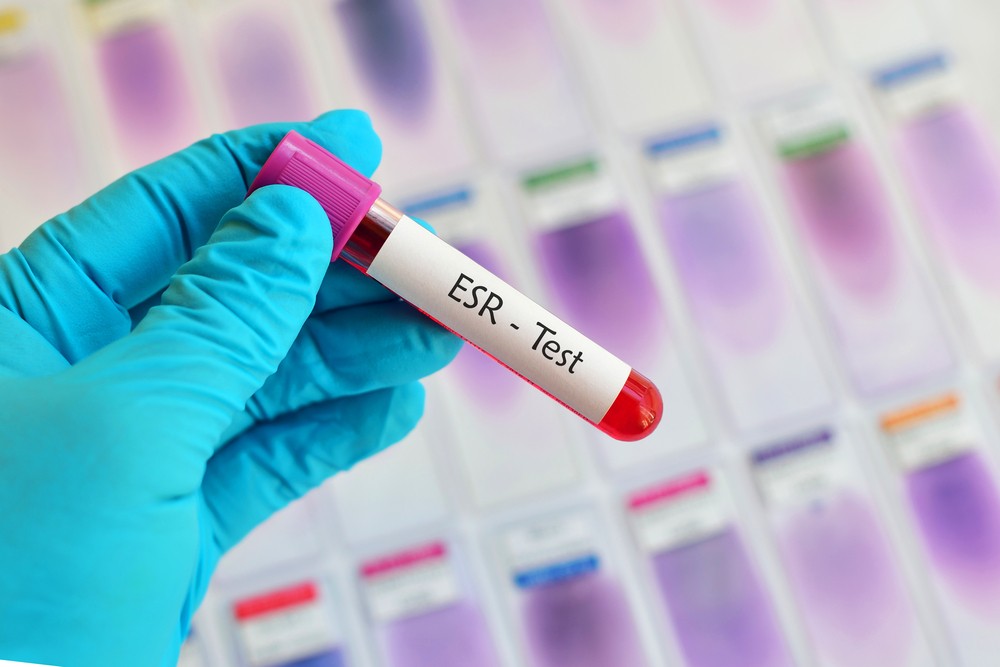
When a doctor suspects inflammation but is unsure of its source, certain blood tests help confirm whether something is happening in the body, even if the exact cause is not yet clear. One such test has been used in clinical practice for over a century, and remains a quick, inexpensive marker of inflammatory activity. The erythrocyte sedimentation rate test, commonly known as the ESR test, measures how quickly red blood cells settle at the bottom of a test tube. Understanding what the test measures, when it is ordered, and how the results are interpreted gives a clearer view of how it supports diagnosis and monitoring of various conditions.
What Is the ESR Test?
The ESR test is a simple blood test that measures the rate at which red blood cells (erythrocytes) fall to the bottom of a vertical tube over the course of one hour. When inflammation is present in the body, certain proteins in the blood make red cells stick together and settle faster than normal. As a result, a higher sedimentation rate indicates greater inflammation.
The erythrocyte sedimentation rate test does not point to a specific disease. Instead, it acts as a general indicator that helps doctors decide whether further investigation is needed. Also, it is important to note that a normal ESR does not completely rule out inflammation or localised infections.
Why Doctors Order the ESR Test
Doctors may recommend the ESR test in cases such as:
1. Suspected Inflammation or Infection
When fever, unexplained pain, or unwellness is seen, an ESR test helps confirm whether inflammation is contributing.
2. Diagnosis of Autoimmune Conditions
Conditions such as rheumatoid arthritis, polymyalgia rheumatica, lupus, and temporal arteritis often raise the ESR. The test helps in diagnosing the exact cause when combined with clinical findings.
3. Monitoring Chronic Conditions
For patients diagnosed with inflammatory or autoimmune disease, repeat ESR testing helps track the condition and the effectiveness of the treatment.
How the Test is Performed
The ESR test involves a routine blood sample drawn from a vein in the arm. No fasting is generally required, though doctors may recommend specific preparation if other tests are being done as well. The sample is placed in a long, thin tube, and the distance the red cells fall in one hour is measured in millimetres. The Westergren method is the most widely used technique for ESR.
Results are usually available within a day. Patients should mention current medications, pregnancy, recent vaccinations, or known conditions, since these can influence the reading.
Normal Range of the ESR Test
The range for an ESR test differs as per age, gender, and laboratory method, but common values are:
- Men under 50: Up to 15 mm per hour
- Men over 50: Up to 20 mm per hour
- Women under 50: Up to 20 mm per hour
- Women over 50: Up to 30 mm per hour
- Children: Up to 10 mm per hour
Values slightly outside these ranges may not always be clinically significant. Interpretation should be done by a qualified medical professional who will consider the result alongside symptoms and other tests.
What a High ESR Result Means
A higher-than-normal ESR result usually indicates inflammation, but, on its own, does not reveal the cause. Common conditions that can result in a high ESR include:
- Infections: Bacterial, viral, fungal, or tuberculosis-related
- Autoimmune disorders: Rheumatoid arthritis, lupus, vasculitis
- Inflammatory conditions: Inflammatory bowel disease, temporal arteritis
- Certain cancers: Especially lymphomas and multiple myeloma
- Kidney disease: Especially conditions affecting protein balance
- Pregnancy: Mild elevation is normal and not concerning
Very high ESR readings, often above 100 mm p/husually warrant further investigation to identify the underlying cause.
What a Low ESR Result Means
A low ESR is less common but can occur in conditions such as sickle cell disease, polycythaemia (raised red cell count), congestive heart failure, or hypofibrinogenaemia. In most cases, a low ESR is not clinically concerning unless it occurs alongside other unusual findings.
ESR Compared with C-Reactive Protein (CRP)
Both ESR and CRP are markers of inflammation, but CRP rises and falls more quickly, making it useful for tracking acute changes. On the other hand, ESR responds more slowly and is better suited for monitoring chronic conditions over a long time.
Importance of a Reliable Diagnostic Partner Matters
Inflammation markers such as ESR are influenced by sample handling, timing, and laboratory technique. Choosing a diagnostic chain with consistent quality protocols and accurate reporting helps doctors trust the result. Lupin Diagnostics is an example of one such diagnostic chain that offers ESR, CRP, and complete inflammation panels across India through its National Accreditation Board for Testing and Calibration Laboratories (NABL) accredited labs, with free home sample collection available in major cities.
Conclusion
The ESR test remains a useful first-line investigation when inflammation is suspected, particularly in the early stages of evaluation. While it does not identify the specific cause, it tells doctors whether inflammation is present and guides the next steps in the workup. Anyone experiencing persistent unexplained symptoms should consult a physician about appropriate testing, including ESR and other inflammatory markers where relevant.