
Anyone who has traveled for work knows how chaotic travel expense tracking can become once the trip is over. Receipts get crumpled inside bags, emails pile up with booking confirmations, and somewhere between a taxi ride and a late-night meal, details start slipping through the cracks. What seems manageable during the trip often turns into a frustrating exercise when it’s time to report everything. People rely on memory more than they should, and that’s where small mistakes begin to creep in.
The scale of this problem isn’t small either. According to a report by the Global Business Travel Association, companies lose billions every year due to poorly managed expense reporting, including errors, fraud, and inefficiencies. That number alone shows how something as simple as tracking receipts can quietly turn into a serious financial issue. It’s not just about employees feeling stressed—it’s about businesses losing clarity over where their money actually goes.
Understanding Travel Expense beyond Just Bills
When people think about travel expenses, they usually picture hotel bills and flight tickets, but the reality is far more layered than that. A typical work trip includes meals, local transport, client meetings, last-minute bookings, and sometimes unexpected costs that were never planned in the first place. Each of these adds a small piece to the overall expense puzzle, and missing even one can distort the final report.
The tricky part is that not all expenses are treated the same. Some fall under company policies, some require approvals, and others need justification. Employees often don’t have complete clarity on what qualifies and what doesn’t, which leads to confusion during submission. Over time, this lack of understanding creates a pattern where reports are either incomplete or filled with guesswork, making it harder for finance teams to process them accurately.
Why Traditional Methods Don’t Work Anymore
For years, spreadsheets and manual logs were the default way of managing travel expenses. While they worked in simpler times, they struggled to keep up with the complexity of modern business travel. Manually entering data from receipts is not just time-consuming; it also increases the chances of errors. One wrong number or a missed entry can throw off the entire report.
Another issue is the delay. People often postpone expense reporting until they return from their trip, which means they rely heavily on memory. By then, details are fuzzy, receipts are missing, and emails are buried under other work. This leads to incomplete submissions that require back-and-forth communication, slowing down reimbursements and creating unnecessary friction between employees and finance teams.
How Travel Expense Management Software Changes the Game
This is where travel expense management software starts to make a noticeable difference. Instead of waiting until the end of a trip, employees can capture expenses in real time using their phones. A quick photo of a receipt or an automated entry from a booking email removes the need for manual tracking altogether.
Common Features That Actually Make a Difference
Not all tools are built the same, but the ones that work well tend to focus on practical features rather than complexity. Automatic receipt scanning is one of the most useful additions because it removes the need for manual data entry. The system reads the receipt, extracts the details, and organizes them without much input from the user.
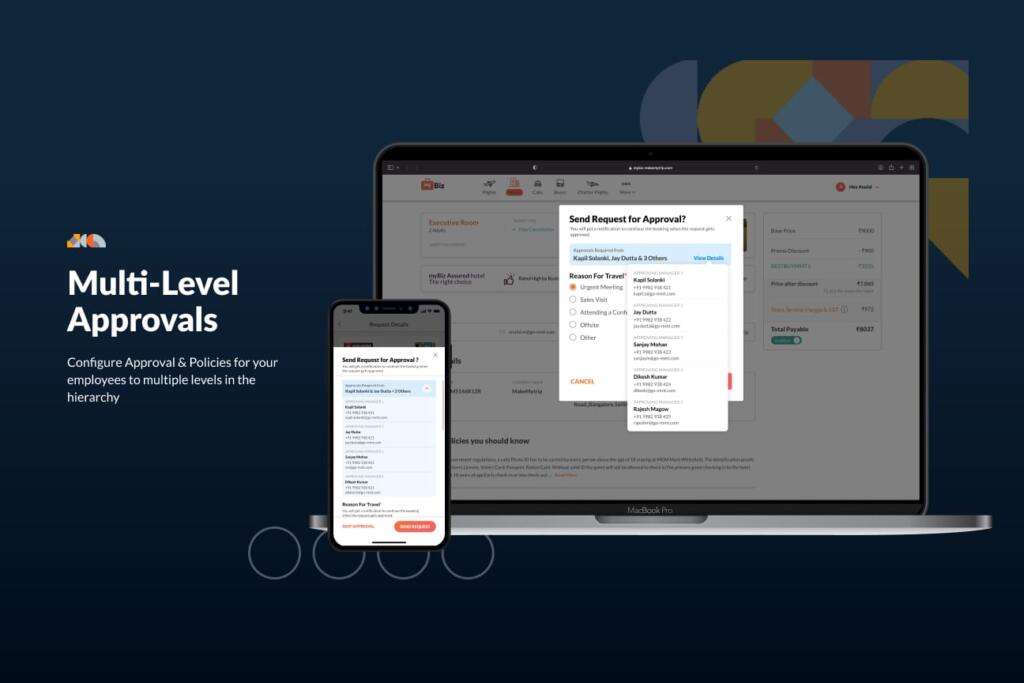
Another helpful feature is policy integration. When expenses are logged, the software can instantly flag anything that falls outside company guidelines. This reduces confusion and ensures that employees don’t unknowingly submit claims that might get rejected later. Approval workflows also become smoother, as managers can review and approve expenses without digging through long email threads.
MyBiz and Smarter Expense Handling for Teams
Platforms like MyBiz are built with the idea that travel and expense tracking shouldn’t feel like two separate tasks. Instead of treating them as disconnected processes, MyBiz brings everything under one system, making it easier for teams to manage both bookings and expenses without extra effort. It’s not just about convenience, it’s about reducing the chances of errors that usually happen when information is scattered.
A Real Scenario of Expense Reporting Gone Wrong
Imagine someone returning from a week-long business trip with multiple meetings across cities. They have a mix of digital invoices, paper receipts, and a few expenses they forgot to document. When it’s time to submit the report, they spend hours trying to piece everything together, only to realize some details are missing.
The report gets submitted anyway, but the finance team notices inconsistencies. Emails go back and forth asking for clarification, receipts need to be resubmitted, and reimbursement gets delayed. What should have been a simple process turns into a frustrating experience for everyone involved. This is not a rare situation—it happens more often than companies would like to admit.
Reducing Errors and Delays with Automation
Automation changes this entire dynamic by removing the need for guesswork. When expenses are recorded as they happen, there’s no dependency on memory or manual tracking. The system keeps everything organized, making it easier to review and submit reports without missing details.
It also speeds up approvals. Since the data is already structured and aligned with company policies, managers can quickly verify and approve expenses without needing additional clarification. This not only reduces delays but also improves trust between employees and finance teams, as the process becomes more transparent and predictable.
Long-Term Impact on Budget Planning
Beyond day-to-day convenience, structured expense tracking has a deeper impact on how companies plan their budgets. When data is accurate and consistent, it becomes easier to analyze spending patterns and identify areas where costs can be optimized. Businesses can see where most of the travel budget is going and make informed decisions for the future.
Without proper systems in place, this level of insight is almost impossible to achieve. Incomplete or inconsistent data leads to assumptions rather than informed planning, which can affect long-term financial decisions. Over time, even small inefficiencies add up, making it harder for companies to control their overall spending.
Closing Thoughts on Taking Control of Travel Costs
Managing travel expenses doesn’t have to feel overwhelming or disorganized. With the right systems in place, what once felt like a tedious task can become a smooth, almost automatic process. When businesses move away from manual methods and adopt smarter tools, they not only save time but also gain better control over their spending, making every trip easier to manage from start to finish.