
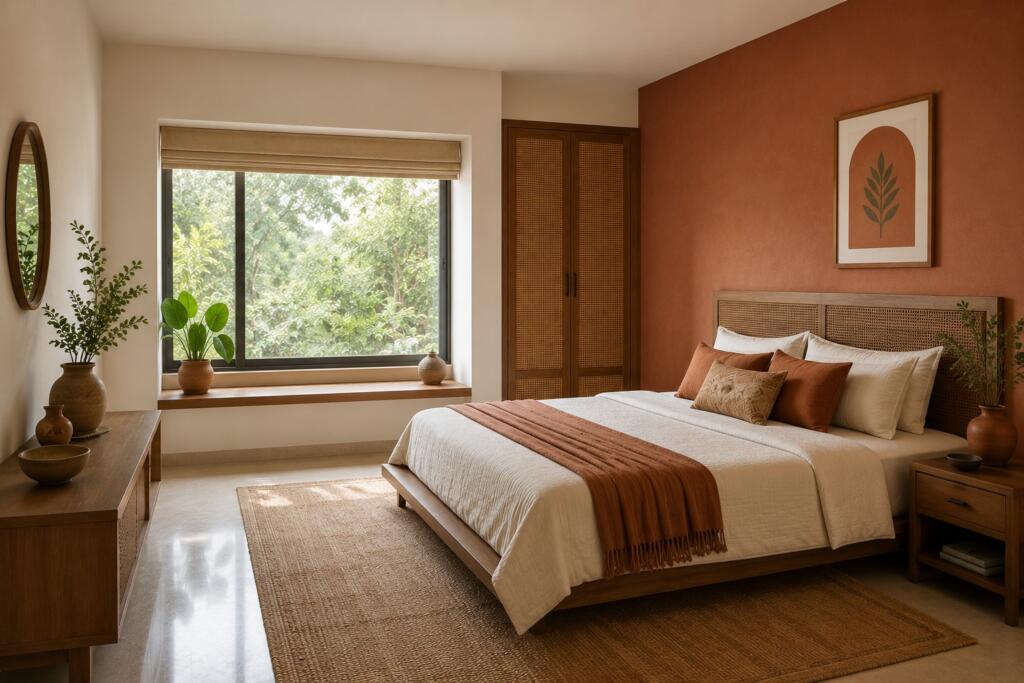
Most Indian bedrooms are expected to handle far more than just sleep.
The room becomes the first place people walk into after waking up and the last place they sit before sleeping. Clothes are folded there, office calls happen there, late night scrolling continues there, and on busy mornings the entire room turns into a getting ready zone within minutes.
That is why bedrooms that only focus on appearance often stop feeling practical very quickly. A room may look beautiful for photos, but daily life exposes small problems fast. There is no place to keep essentials, walking space feels blocked, storage overflows, or the furniture arrangement makes the room feel tighter than it actually is.
Comfort in Indian homes usually comes from functionality first. When furniture supports daily habits properly, the room automatically feels calmer and easier to manage. People spend less time searching for things, cleaning becomes simpler, and the bedroom starts feeling like a space that actually supports daily life instead of creating extra work.
Bedrooms In Indian Homes Need To Handle Real Life
In many homes, the bedroom is doing multiple jobs throughout the day. Someone may be working from one corner while another person is getting ready near the wardrobe. Children jump onto the bed after school, clothes collect on chairs during rushed mornings, and somehow the room still needs to feel relaxing by night.
This is why furniture placement matters more than people think. The bedroom should not feel overloaded the moment someone enters. Too many large furniture pieces make rooms feel mentally heavy, especially in apartments where space is already limited.
Walking space becomes important very quickly. When movement around the bed feels restricted, the room slowly starts becoming frustrating to use every day. Even simple routines like opening drawers or changing bedsheets begin feeling inconvenient.
A good bedroom setup usually feels effortless. Nothing interrupts movement unnecessarily, storage stays manageable, and the room still feels visually calm even during busy weeks.
The goal is not making the room look perfect all the time. It is making daily life feel smoother inside it.
Dressing Tables Are Part Of Everyday Routine
A dressing table is often treated like an extra furniture piece, but in many Indian homes it becomes one of the most used spots in the bedroom.
For working women especially, mornings often begin there. Getting ready quickly, finding skincare products, arranging jewellery, charging devices, checking essentials before leaving for work, or even sitting for a few quiet minutes before starting the day all happen around that space.
Without proper organisation, mornings become chaotic very easily. That is why the setup matters more than decoration. Drawers help reduce clutter immediately because smaller everyday items stop spreading across surfaces. When everything has a fixed place, routines feel faster and less stressful.
The mirror placement matters too. A dressing table placed near natural light usually feels much more practical during daily use compared to darker corners where lighting always feels insufficient.
Comfortable seating changes usability as well. A modern dressing table chair should not only match the room visually but also feel comfortable enough for longer use during rushed mornings or evening routines.
The dressing area works best when it quietly supports the routine without demanding attention constantly.
The Bed And Dressing Table Need To Work Together
One common problem in Indian bedrooms is that furniture gets selected separately without considering how everything fits once placed inside the room.
The king size bed usually occupies most of the available space already. After that, wardrobes, side tables, and dressing units all need to adjust carefully around it. Without planning, the room starts feeling packed very quickly.
A dressing table should blend naturally into the layout instead of interrupting movement around the bed. Even a well designed furniture piece can feel uncomfortable if it blocks pathways or creates tight corners.
Balance matters more than size. Large dressing setups often overpower smaller bedrooms, while extremely tiny units sometimes fail to support daily storage needs properly. The room should still feel breathable after all furniture is placed.
In many homes, a king size wooden bed with storage becomes the main functional piece because it reduces the need for extra storage furniture elsewhere in the room.
Once bulky cabinets reduce, the bedroom immediately starts feeling lighter visually. Furniture should support the space quietly instead of competing for attention.
Small Dressing Table Changes Make Bedrooms Easier To Use
Many modern apartments now have compact bedrooms, which means dressing areas need smarter planning than before.
Wall mounted dressing tables work well because they leave visible floor space underneath, making the room feel less crowded. They also fit rented apartments nicely where flexibility matters.
Corner placements help too. Unused corners often become dead spaces otherwise, but a smaller dressing setup there can improve functionality without affecting movement around the room.
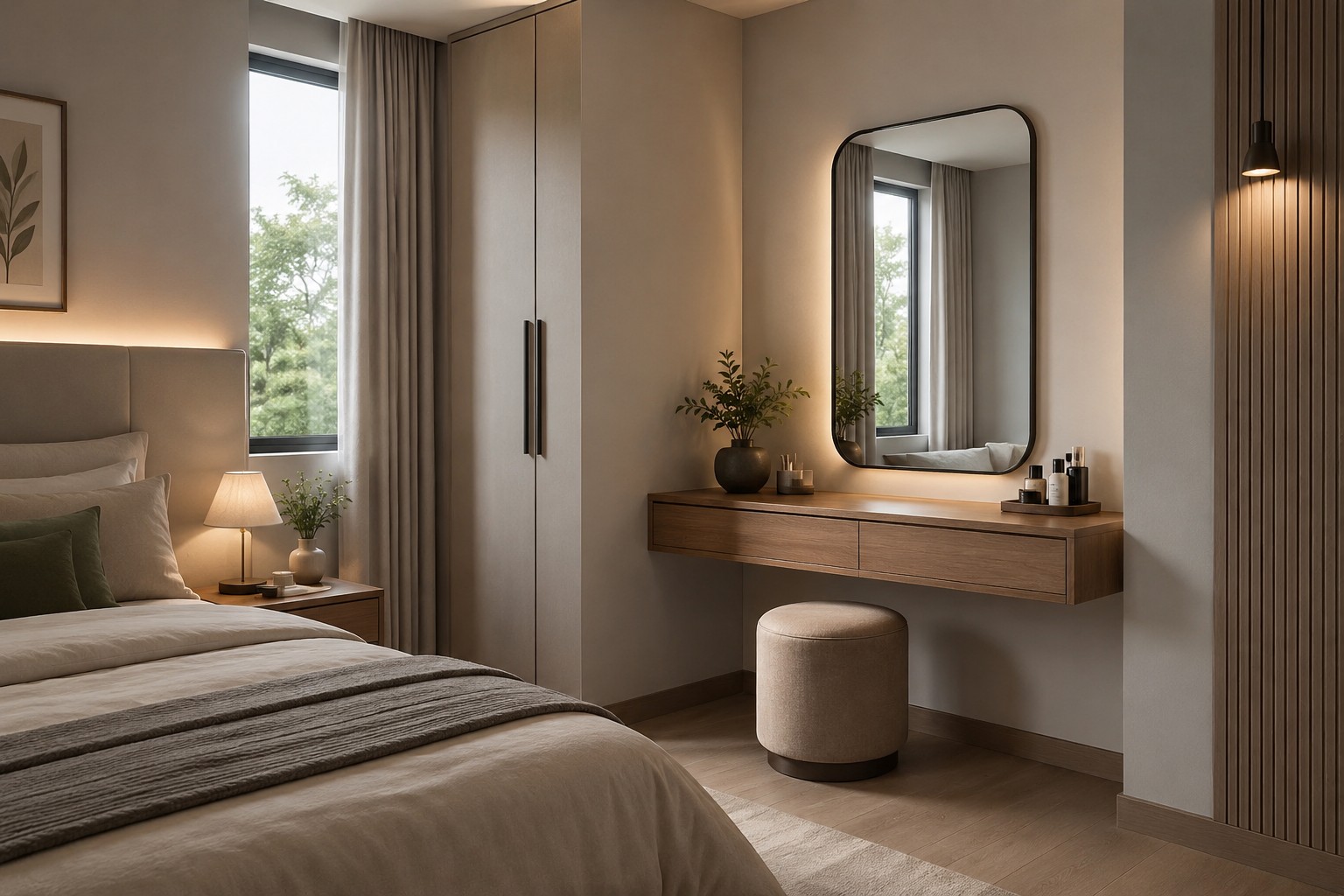

Mirror size should match the actual routine. Some people prefer full length mirrors because they help while dressing for work or events. Others may only need a medium sized mirror for daily skincare and quick routines. Bigger mirrors are not always necessary in every room.
Lighting matters more than expensive décor here. Natural daylight near the mirror usually works far better than harsh overhead lights. Soft lighting also helps the room feel calmer during evenings.
The seating should stay comfortable and simple. Heavy decorative chairs sometimes make compact bedrooms feel tighter unnecessarily.
A dressing area should feel easy to maintain daily instead of becoming another surface where clutter collects constantly.
Bedroom Materials And Colours Affect Comfort Quietly
Bedrooms handle constant use every day, so furniture needs to survive real routines instead of only looking attractive initially.
Smooth wooden finishes usually work well because they are easier to clean and maintain over time. Dust becomes less visible, surfaces wipe down quickly, and the room feels warmer naturally. Soft fabric details help balance harder furniture surfaces too.
Curtains, cushions, bedsheets, and rugs add comfort quietly without overcrowding the space. Bedrooms filled only with hard materials can sometimes feel cold even when they look modern.
Colour also affects how restful the room feels. Very bright shades can feel visually tiring after a while, especially at night. Softer neutrals, earthy tones, and lighter wood finishes usually create a calmer atmosphere. Consistency matters more than using too many colours together.
When furniture finishes, fabrics, and wall shades connect naturally, the room feels more organised automatically. Too many contrasting colours often create visual clutter without people fully noticing why the room feels busy. Comfort usually comes from balance, not excess.
Better Bedroom Layouts Make Daily Life Easier
A lot of bedroom frustration comes from poor layout rather than lack of space. Sometimes simply moving the dressing table near a window improves the entire morning routine. Better lighting, easier movement, and quicker access change how the room feels every day.
Walking space around the bed should stay clear whenever possible.
When people constantly bump into furniture or squeeze through narrow gaps, the room slowly becomes mentally tiring to use.
Clutter affects this too. Crowded side tables, overflowing chairs, and unnecessary items left outside make bedrooms feel stressful without people realising it immediately. Cleaner surfaces usually help rooms feel calmer very quickly.
The best bedroom layouts are usually built around routine. Where people get ready, where they keep essentials, how they move during mornings, where devices charge at night, and how storage gets used all shape the room more than decoration alone ever can.
At the end of the day, a bedroom should not only look good in photographs. It should quietly support daily life in a way that feels comfortable, practical, and easy to live with every single day.