
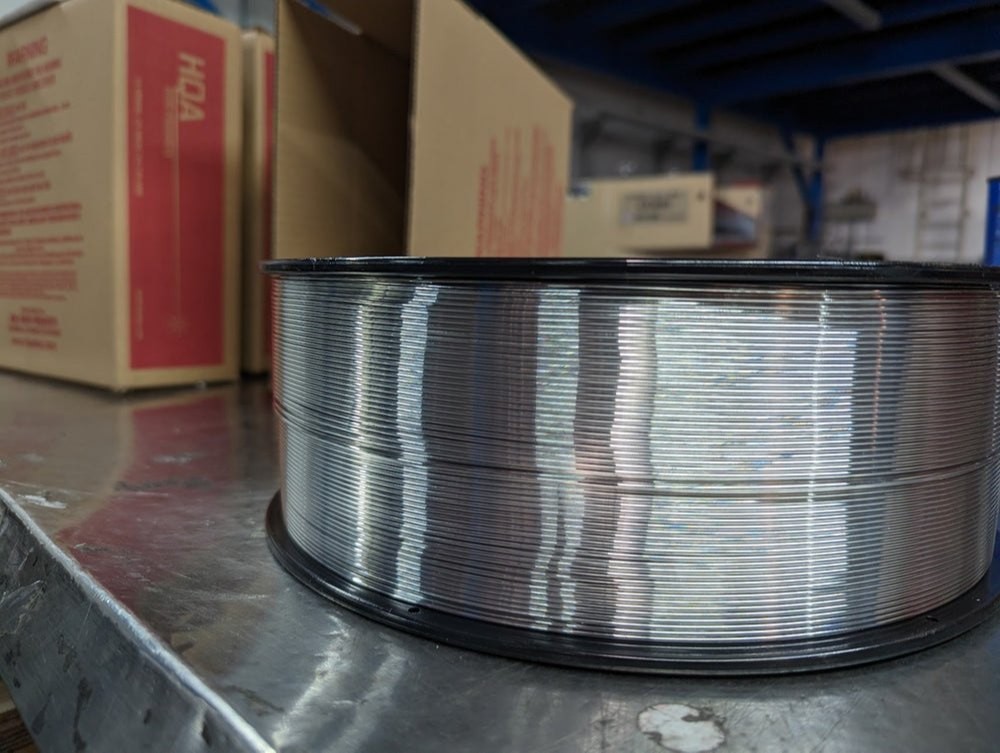
Stainless steel welding often looks simple on the surface, but many weld failures happen because of one overlooked factor, the alloy composition of the welding rod. Even with the right technique and equipment, a weld can crack, corrode, or weaken if the electrode is not properly balanced. This creates real challenges for fabricators who depend on consistent results. The role of alloy elements becomes critical in avoiding these issues. That is why experienced professionals pay close attention to material quality and work with trusted welding electrodes suppliers. Understanding how composition affects performance helps ensure stronger, longer-lasting welds in everyday applications.
How Alloy Elements Shape Welding Performance
A stainless steel welding rod is a carefully balanced mix of metals. Each element has a specific job to do and even small changes can affect the final result.
The most important elements include:
- Chromium
- Nickel
- Molybdenum
- Carbon
- Manganese
Chromium is what gives stainless steel its resistance to rust. Nickel adds strength and flexibility, helping the weld handle stress without cracking. Molybdenum improves resistance to chemicals and harsh environments. Carbon affects hardness, while manganese helps improve arc stability and weld quality.
These elements must be in the right proportion. Too much or too little of any one element can change how the weld behaves. This is why skilled welders prefer working with trusted welding electrode suppliers who maintain consistent quality across every batch.
Key Ways Alloy Composition Impacts Performance
Alloy composition directly affects how an SS welding electrode performs, influencing everything from corrosion resistance to strength and ease of welding.
1. Corrosion Resistance
One of the main reasons for using stainless steel is its ability to resist corrosion. This property mainly comes from chromium. When the chromium level in the SS welding electrode is correct, it forms a protective layer that prevents rust.
If the level drops, the weld becomes vulnerable. In industries like food processing, pharmaceuticals, or chemical handling, this can lead to serious problems. A weld may look fine at first, but can start corroding over time if the alloy balance is not right.
2. Strength and Durability
Nickel plays a big role in making the weld strong and tough. It helps the weld metal remain flexible under stress rather than becoming brittle.
A proper balance of nickel allows the weld to handle vibration, pressure and load without cracking. On the other hand, low nickel content can lead to weak joints that fail under demanding conditions. This is especially important in structural or heavy-duty applications
3. Heat Resistance
Many stainless steel applications involve high temperatures. Equipment like boilers, exhaust systems and industrial machinery often operates under heat.
In such cases, elements like molybdenum help the weld maintain its strength. A well-balanced SS welding electrode can handle thermal stress without losing its shape or integrity. Without this balance, the weld may weaken, deform, or fail over time.
4. Arc Stability and Welding Ease
Alloy composition also affects how easy the welding process feels. Elements like manganese improve arc stability, making the arc smoother and easier to control. High-quality electrodes produce less spatter, better bead appearance and a cleaner finish. This not only improves quality but also reduces rework and saves time on the shop floor.
Practical Insights from Industry Use
In fabrication, the importance of alloy composition becomes very clear. For example, a fabricator working on stainless-steel railings or furniture may not encounter extreme environments. In such cases, standard electrodes may perform well. But if the same electrode is used in a chemical tank or coastal setup, the results can be very different. This is why professionals always match the electrode with the application and base metal. Choosing the right composition helps avoid future failures.
Consistency also matters. Many fabricators prefer reliable brands like Superon Technik because they deliver uniform composition. When the electrode performs consistently, it reduces guesswork and builds confidence during welding.
Tips for Choosing the Right Welding Rod
To get better results in stainless steel welding, keep these practical points in mind:
- Match the electrode composition with the base metal
- Ensure proper chromium and nickel balance for corrosion resistance
- Use molybdenum-based electrodes for harsh or marine environments
- Avoid low-quality rods with inconsistent alloy composition
- Work with trusted welding electrode suppliers for reliable performance
These simple steps can help prevent defects, reduce downtime and improve overall weld quality.
Conclusion
The quality of a weld is not decided by skill alone. It is strongly influenced by the composition of the welding rod. The alloy composition of an SS welding electrode controls strength, corrosion resistance, heat performance and even how easy the welding process feels. Ignoring this factor can lead to weak joints, cracks and early failure. But when the composition is carefully balanced, welding becomes more consistent, efficient and reliable. That is why experienced fabricators pay close attention to the electrodes they use and work with dependable welding electrodes suppliers who maintain strict quality standards. The right choice not only improves weld performance but also reduces rework and long-term risks.