
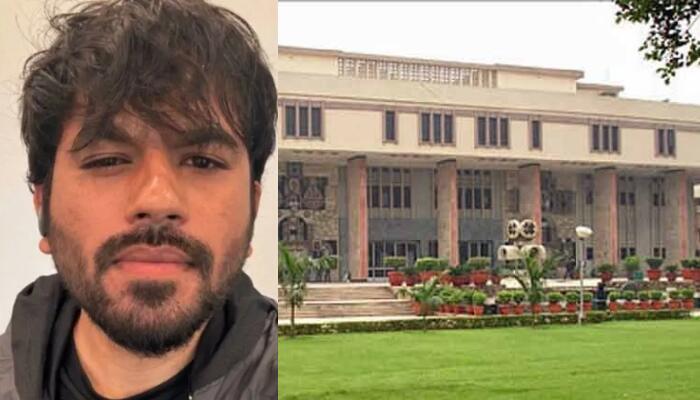
The Delhi High Court refused to immediately restore the X account of the Cockroach Janta Party (CJP), dealing a setback to the fast-growing satirical political outfit led by Abhijeet Dipke.
The Court observed that some of the content posted by the group appeared “slightly offensive”. It said the matter required deeper examination before any interim relief could be granted.
A bench led by Justice Purushaindra Kumar Kaurav heard the matter and stated that the Court would first consider submissions from the Union government and social media platform X. The bench said the controversy required “holistic consideration” before any direction could be passed.
The plea challenged the withholding of the party’s X account in India. Senior advocate Akhil Sibal, appearing for Dipke, argued that authorities should not block the entire account merely because they found some posts objectionable.
Sibal also referred to earlier cases where courts granted interim relief in disputes involving social media restrictions and online expression. The Court, however, said the present case stood on a different footing.
“There seems to be a slight difference between other cases and in this case. In this case what seems to be the reason is that the entire activity is per se slightly offending,” the bench observed during the hearing, according to reports.
Court Keeps Door Open for Further Review
Despite refusing urgent relief, the High Court did not dismiss Dipke’s challenge. Instead, it allowed him to present his arguments before the Centre’s review committee, which examines blocking orders related to online platforms and social media accounts.
The Court also assured the Centre that it would hear the government before issuing any order in the matter.
The dispute arrives at a politically charged moment for the Cockroach Janta Party. What started as internet satire has rapidly evolved into a wider anti-establishment digital movement. The outfit has gained traction among sections of urban youth and Opposition supporters.
The party emerged after misrepresented remarks attributed to Chief Justice of India, Surya Kant triggered controversy online. The remarks allegedly referred to sections of India’s youth as “cockroaches”. Instead of rejecting the label, many young users adopted it ironically and transformed it into a symbol of digital dissent.
That online reaction soon evolved into the Cockroach Janta Party. Meme culture, satire and anti-establishment messaging pushed the outfit into mainstream online discussions.
Social Media Ban Intensifies Political Attention
The controversy escalated after Dipke publicly claimed that X withheld the party’s account in India. He shared screenshots of the restriction notice and wrote, “As expected Cockroach Janta Party’s account has been withheld in India.”
The timing of the restriction drew attention because it coincided with the outfit’s sharp rise on social media. Reports claimed that the CJP had surpassed even the BJP in Instagram engagement among certain youth segments.
Days later, Dipke alleged that similar action targeted the party’s Instagram account and official website. Those claims fuelled accusations of coordinated digital suppression.
The case now sits at the centre of a larger debate on political satire, platform moderation and online speech in India. It also reflects a changing political climate where meme-driven movements increasingly shape public discourse and challenge traditional political communication.
For now, the Delhi High Court has chosen caution over urgency. Yet the wider questions around censorship, satire and digital political mobilisation remain far from settled.