
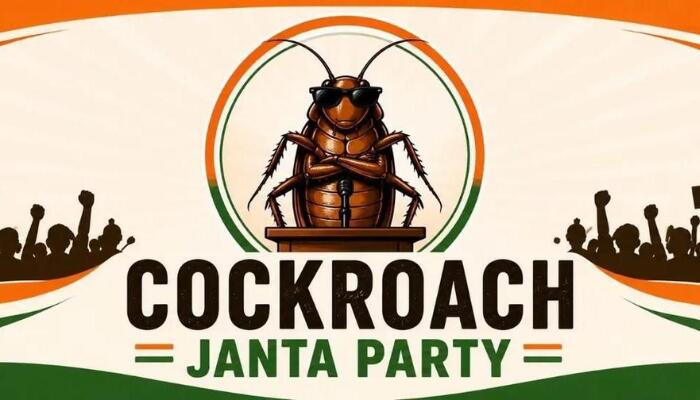
Police officials say the links can hack mobile phones, steal banking credentials, and expose sensitive personal information. Authorities warned that scammers are specifically targeting young users drawn to the movement’s explosive social media presence.
Ludhiana Police called the operation a “serious conspiracy” designed to defraud unsuspecting citizens. In its public warning, the department urged people not to dismiss the scam as internet humour or political satire.
“This is not a joke, but a big conspiracy to hack your phone and fraudulently withdraw your money,” the advisory said.
WhatsApp Links Used as Cyber Traps
Investigators say fraudsters are circulating messages that invite users to “join” the Cockroach Janta Party through clickable WhatsApp links. Many of these messages use emotionally charged slogans about political change and opportunities for youth.
Officials warned that clicking the links can give hackers access to passwords, banking details, and personal data stored on mobile devices.
In a cyber awareness video, Ludhiana Police explained that scammers could even use stolen information to secure loans in victims’ names. Authorities asked citizens to report such incidents immediately through the national cybercrime helpline 1930.
Police officials believe cybercriminals deliberately hijacked the CJP trend because of its massive online reach. Fraudsters often exploit viral topics to lower public suspicion and spread malware quickly.
This time, cyber scammers found their bait in political satire packaged as digital rebellion.
From Internet Satire to Viral Political Movement
The Cockroach Janta Party was founded by Abhijeet Dipke, a Boston University student previously linked to the Aam Aadmi Party. Within days, the outfit attracted more than 20 million Instagram followers and emerged as one of India’s fastest-growing online political movements.
The party gained traction through memes, mock manifestos, and commentary on unemployment, examination paper leaks, and growing frustration among young Indians.
The movement emerged after controversy surrounding remarks attributed to Chief Justice of India Surya Kant involving the words “cockroaches” and “parasites”. Although clarification later followed, the controversy had already fuelled a nationwide online reaction.
The CJP’s rapid rise soon attracted institutional attention. Its X account was withheld in India, triggering criticism from the Internet Freedom Foundation. Dipke later alleged that hackers or coordinated action had compromised several official accounts and the party’s website.
Meanwhile, Maharashtra Police deployed security outside Dipke’s family residence in Chhatrapati Sambhajinagar as crowds and online attention around the movement continued to intensify.
What began as an internet joke has now exposed a harsher reality. In India’s fast-moving digital ecosystem, viral political trends can quickly become fertile ground for cyber fraud and organised online scams.