
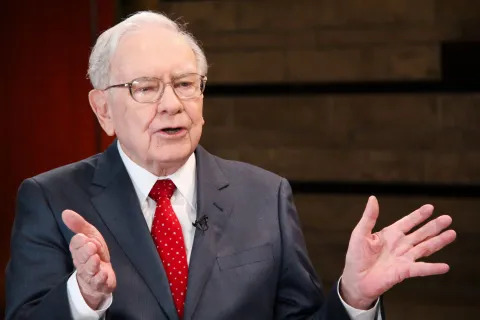
The global philanthropic landscape has been shaken by a dramatic development involving billionaire investor Warren Buffett, who has indicated that he may halt future donations to the Bill & Melinda Gates Foundation following revelations linked to the infamous Jeffrey Epstein files. The decision marks a significant shift in one of the most consequential charitable partnerships in modern history and raises broader questions about accountability, trust, and the future of large-scale philanthropy.
For nearly two decades, Warren Buffett has been one of the largest contributors to the Gates Foundation, donating tens of billions of dollars in Berkshire Hathaway stock to support global health, education, and poverty alleviation efforts. His commitment was not only financial but symbolic, reinforcing a model of philanthropy that encouraged billionaires to pledge the majority of their wealth to charitable causes. However, recent disclosures from U.S. Department of Justice files related to Epstein have prompted Warren Buffett to reconsider his ongoing association with the foundation. (Reuters)
The controversy stems from documents that shed light on interactions between Bill Gates and Jeffrey Epstein, the convicted sex offender whose network of elite connections has come under renewed scrutiny. Although Gates has consistently maintained that his meetings with Epstein were limited to philanthropic discussions and were a “mistake,” the revelations have triggered widespread concern and reputational damage.
In response, Warren Buffett has taken a cautious stance. While he has not expressed regret over his past donations, he has made it clear that he is unwilling to commit to future contributions until more clarity emerges. In interviews, Warren Buffett emphasized that he is “learning things” he was previously unaware of and prefers to avoid entanglement in any legal or investigative processes that may arise from the Epstein files.
This distancing is not merely financial but also personal. Reports suggest that Warren Buffett has not been in contact with Bill Gates since the Epstein-related disclosures became public. The two had long shared a close friendship and were co-founders of the Giving Pledge, a campaign encouraging the ultra-wealthy to donate at least half of their fortunes. The apparent cooling of this relationship underscores the seriousness of the situation and its potential long-term implications.
Despite the controversy, Warren Buffett has reiterated his commitment to philanthropy. He has stated that the majority of his wealth will still be directed toward charitable causes, though possibly through family-run foundations rather than the Gates Foundation. This shift could signal a broader trend among major donors who may seek greater control and transparency in how their contributions are managed.
The Gates Foundation, for its part, has sought to contain the fallout. It has denied any financial dealings with Epstein and clarified that any interactions were limited and exploratory, with no formal collaboration or funding arrangements ever materializing. The organization has also expressed regret over any association with Epstein, acknowledging the reputational risks involved.
Nevertheless, the episode has sparked a wider debate about the governance of large philanthropic institutions. Critics argue that the concentration of enormous financial power in a few private foundations necessitates stricter oversight and greater transparency. The Epstein files have amplified these concerns, highlighting how personal relationships and informal networks can intersect with global philanthropy in complex and sometimes troubling ways.
For Warren Buffett, the decision to pause future donations appears to be driven by prudence rather than condemnation. His remarks suggest a desire to wait for verified facts before making long-term commitments. At the same time, his actions send a powerful message about the importance of reputational integrity in philanthropy.
As investigations and public scrutiny continue, the long-term impact of this development remains uncertain. What is clear, however, is that the intersection of wealth, influence, and accountability is being reexamined on a global scale. The choices made by figures like Warren Buffett will likely shape not only the future of the Gates Foundation but also the broader direction of philanthropic giving in the years to come.
In this evolving landscape, Warren Buffett stands at crossroads—balancing a legacy of unprecedented generosity with the need for caution in an era of heightened transparency and scrutiny.