
Municipal authorities in Haridwar are preparing for a significant policy shift as the city gears up for the 2027 Ardh Kumbh, a major religious gathering that draws large numbers of pilgrims.
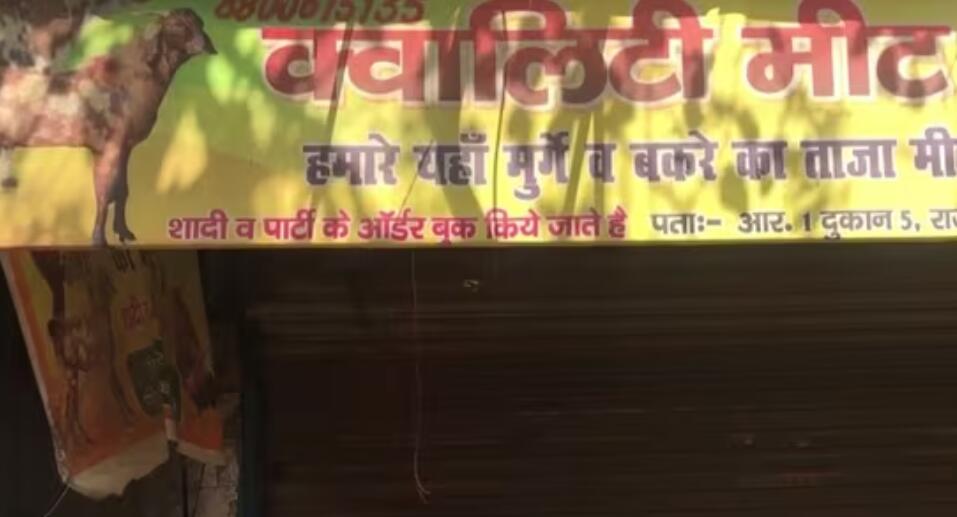
According to media reports, in view of the expected influx, the civic body is focusing on strengthening sanitation and urban management systems. As part of these efforts, a proposal is likely to be tabled at the upcoming municipal board meeting to prohibit the sale of raw meat within city limits and relocate all such businesses to Sarai village on the outskirts.
The proposed move is aimed at maintaining higher standards of cleanliness and addressing the growing concern over stray dogs in the city. Meat shops, particularly those operating in densely populated areas, have reportedly been contributing to waste disposal issues, which in turn attract stray animals and create hygiene challenges.
According to civic authorities, regulating the location of such establishments could significantly improve overall sanitation conditions during the religious event, The Times of India reported.
Notably, meat is not freely sold across Haridwar city, it is restricted, regulated, and in many areas effectively banned. Haridwar is considered a holy city, so there are strict norms.
As per local bylaws, sale and consumption of meat, liquor, and eggs are prohibited within about a 5-km radius of Har Ki Pauri, the main religious area. Much of the main municipal area is treated as a “dry/vegetarian zone” where meat shops are not allowed
Haryana’s Crackdown on Unlicensed Meat Shops
At the same time, authorities in Haryana have initiated a statewide crackdown on unlicensed meat shops. The directorate of urban local bodies has issued strict directions to officials across all 22 districts, instructing them to carry out intensive inspection drives to identify and shut down outlets operating without valid permissions, as earlier reported.
District administrations have been given a clear one-week deadline to complete the exercise and submit an action taken report.
The directive also highlighted concerns regarding the location of certain establishments. It noted that several meat shops are operating close to religious places and other public areas, which has led to complaints from residents.
“It has also been observed with concern that some such establishments are functioning in proximity to religious places and other public areas, thereby causing public nuisance, sanitation concerns, and inconvenience to the general public.”
Gurugram Sees On-Ground Action Against Meat Shops
Ground-level implementation has already begun in Gurugram, where teams from the Municipal Corporation of Gurugram (MCG), supported by local police, have started conducting inspections in areas considered sensitive, including those around temples, schools, and colleges.
The inspections are part of an effort to ensure compliance with regulations and to address public concerns related to hygiene and location of such businesses.
An MCG official said that inspection drives have been carried out in several parts of the city, including Sohna Road and Sectors 46, 9, 10A, and 53. During these checks, most meat shops were found to be closed.
“Regular inspections are taking to place to ensure that no meat shops remain open in close proximity to religious sites and near educational institutes due to concerns raised by the residents,” said Ashish Singhla, chief medical officer, MCG.
What is the Ardh Kumbh Mela?
The Ardh Kumbh Mela is a major Hindu religious gathering held every six years at specific sacred river cities in India. The word “Ardh” means half, so it is essentially a “half Kumbh,” taking place midway between the full Kumbh Mela, which occurs every 12 years.
The mela is a large spiritual festival where millions of devotees, saints, and pilgrims gather to take a holy dip in sacred rivers, believed to cleanse sins, participate in prayers, rituals, and religious discourses, visit camps of sadhus (holy men), including Naga sadhus and engage in spiritual learning and cultural activities.
The Ardh Kumbh Mela is mainly organized in Haridwar (on the Ganga River) and Prayagraj (at the Triveni Sangam—the confluence of Ganga, Yamuna, and the mythical Saraswati).
The festival is rooted in Hindu mythology, particularly the story of the Samudra Manthan (churning of the ocean), where drops of nectar of immortality (amrit) are believed to have fallen at these locations. Bathing in these waters during the festival is considered highly auspicious.