
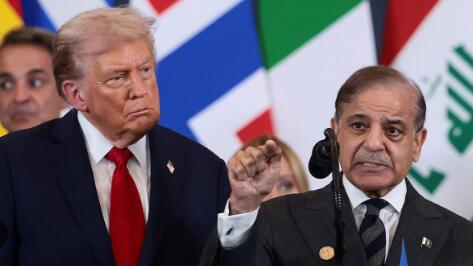
Pakistan attempted to position itself as a peacemaker in the escalating tensions involving Iran, but the reality behind the scenes tells a more complex story.
A report by the Financial Times suggests that the initiative may not have originated in Islamabad at all instead, it appears the White House encouraged Pakistan to step in and broker a temporary ceasefire.
This has raised questions about Pakistan’s true role since rather than acting as a neutral mediator, it seemed to function more as a channel for Washington’s strategy.
While the United States intensified its stance against Iran, Islamabad moved quickly to present itself as a diplomatic bridge, yet much of what it conveyed aligned closely with American interests rather than an independent peace effort.
Washington’s Backchannel Diplomacy Through Islamabad
The Trump administration reportedly relied on Pakistan to persuade Iran to agree to a pause in hostilities. A central element of the proposal was reopening the Strait of Hormuz, a critical global oil route.
Pakistan’s involvement was seen as a way to frame the proposal as coming from a fellow Muslim-majority country, potentially making it more acceptable to Tehran.
Behind the scenes, Pakistan’s army chief, Asim Munir, played a key role as he held urgent discussions with senior US officials, including Donald Trump, Vice-President JD Vance, and envoy Steve Witkoff.
These conversations took place as Washington sought to contain rising oil prices while avoiding a prolonged conflict in the region.
Mediator Image Faces Scrutiny Amid Slips and Limits
Despite these efforts, Pakistan’s attempt to showcase the initiative as its own diplomatic success quickly ran into trouble. Prime Minister Shehbaz Sharif publicly announced the proposal on social media, but the move backfired when his post accidentally included a “draft” label. The slip exposed how rushed and possibly coordinated, the announcement had been.
In practice, Pakistan appeared less like an independent negotiator and more like an intermediary. It circulated a 15-point proposal drafted by the US, relayed Iran’s responses, and suggested different timelines for a ceasefire. This reinforced the perception that Islamabad was acting more as a conduit than a neutral broker.
Even as discussions showed signs of progress, the situation remained fragile. Iranian leaders had tentatively agreed to a ceasefire linked to reopening the Strait of Hormuz. However, internal divisions especially within the Islamic Revolutionary Guard Corps complicated matters, with some factions unwilling to de-escalate or relinquish control over the strategic waterway.
Tensions escalated further when an Iranian drone strike targeted Saudi Arabia’s petrochemical hub in Jubail. The incident raised fresh concerns that the conflict could spiral despite ongoing negotiations.
Pakistan’s balancing act has also drawn scrutiny, while it maintained ties with Saudi Arabia and avoided direct confrontation with Iran, its approach appeared cautious aimed more at staying relevant than taking decisive risks to influence outcomes.
Within Islamabad, there is growing unease about the stability of the fragile truce. Multiple “spoilers” remain active, including ongoing Israel-Hezbollah tensions and the possibility of independent actions by factions within Iran. Any of these could quickly undo the limited progress achieved so far.
At the heart of the issue lies the Strait of Hormuz. Iran remains reluctant to fully relinquish control, even suggesting measures like transit tolls an idea that has unsettled Gulf countries and created discomfort within Pakistan as well.
Although Iranian officials have indicated a willingness to engage in talks, the larger question remains unresolved, can this uneasy ceasefire evolve into a lasting agreement, or will it collapse under competing interests, deep mistrust, and unresolved tensions?