
A fresh controversy has erupted on social media and in political circles after a prominent Indian influencer received a takedown notice linked to a post challenging remarks made by Telangana Chief Minister Revanth Reddy about “Peaceful Ramzan.” The incident has not only intensified political debate in India but also raised broader concerns about cross-border digital censorship and freedom of expression.
According to reports, social media influencer Ankur Singh was notified by X (formerly Twitter) that the Pakistan Telecommunication Authority had requested action against a post he shared. The post referenced a video of Revanth Reddy, in which the Congress leader stated that Muslims offering namaz five times a day during Ramzan contribute to global harmony and ensure that the world remains safe and peaceful.
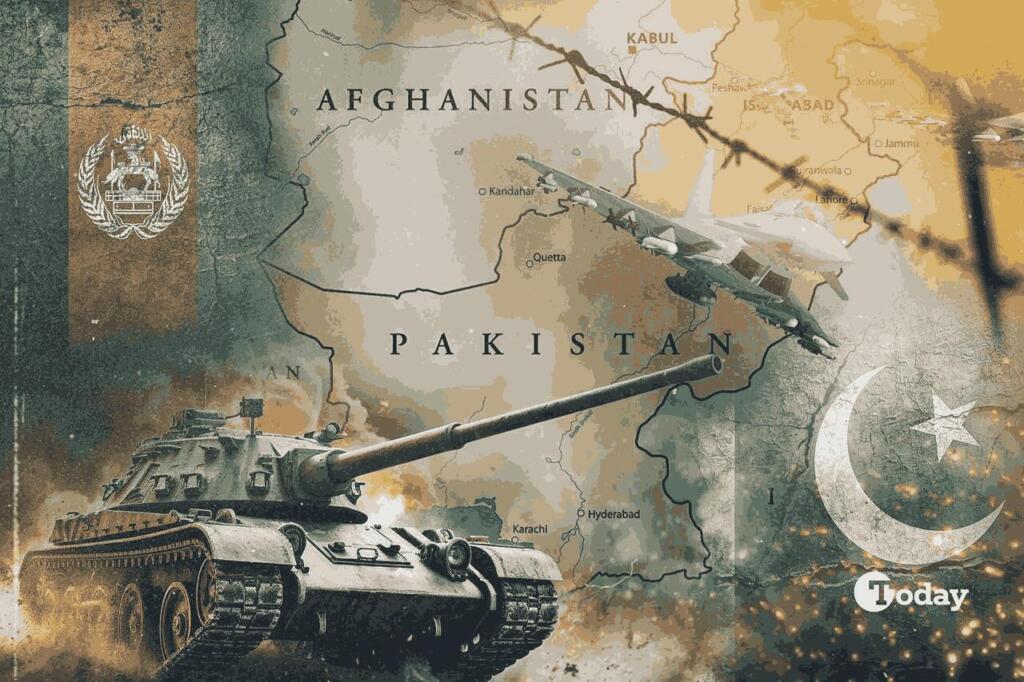
Singh’s response to the statement formed the crux of the controversy. He reportedly countered the “Peaceful Ramzan” claim by pointing to contemporaneous events in the region, questioning whether such assertions align with geopolitical realities. This triggered a legal request from Pakistan authorities, who alleged that the content violated their laws, prompting X to inform the user while stating that no immediate action had been taken.
The episode has quickly snowballed into a wider debate about narratives surrounding religion, peace, and political messaging. Critics argue that the invocation of “Peaceful Ramzan” as a universal claim oversimplifies complex global dynamics, while supporters of the statement maintain that it reflects a spiritual ideal rather than a literal geopolitical assessment.
The involvement of Pakistan’s regulatory body has further complicated the matter. Observers note that this is not an isolated instance, as Pakistan has previously faced criticism for attempting to regulate or restrict online discourse. Reports have documented instances of social media censorship in the country, often justified on grounds of national security or legal compliance. (Wikipedia) This backdrop adds a significant dimension to the current controversy, as it highlights the cross-border implications of digital speech.
In India, the incident has been interpreted through a political lens. Opponents of the Congress party have accused its leadership of making sweeping claims such as “Peaceful Ramzan” without adequately addressing contradictions or ground realities. They argue that such statements risk being perceived as politically motivated rather than purely cultural or religious observations.
On the other hand, supporters of Revanth Reddy contend that his remarks should be understood in the context of promoting communal harmony. They emphasize that the idea of “Peaceful Ramzan” reflects the broader spiritual ethos of prayer, discipline, and goodwill associated with the holy month, rather than serving as a commentary on international conflicts.
The controversy also underscores the growing role of social media influencers in shaping political discourse. Individuals like Ankur Singh, with significant online followings, are increasingly able to influence narratives and challenge public figures. However, this also exposes them to legal and regulatory challenges, particularly when their content crosses international boundaries.
Another critical aspect of the debate is the question of jurisdiction. The fact that a Pakistani authority sought action against content posted by an Indian user raises concerns about the extent to which national laws can or should apply in the digital sphere. It also highlights the challenges faced by global platforms like X in balancing compliance with local regulations while protecting user expression.
The repeated invocation of “Peaceful Ramzan” in the ongoing discourse reflects how a single phrase can become a focal point for larger ideological battles. For some, it represents an aspirational message of unity and peace; for others, it is seen as a contested claim that requires scrutiny and context.
As the situation continues to unfold, it is likely to have implications beyond the immediate controversy. It touches upon fundamental issues such as freedom of speech, the role of governments in regulating online content, and the responsibilities of public figures in framing their statements.
Ultimately, the debate surrounding “Peaceful Ramzan” illustrates the complexities of modern political communication in an interconnected world. Statements made in one context can quickly acquire new meanings when amplified across borders, interpreted through different lenses, and contested in the digital public square.