
Israel on Wednesday carried out its largest wave of airstrikes across Lebanon since the conflict began, killing over 250 people and injuring more than 1,000. The sudden escalation came hours after Pakistan announced a US-Iran ceasefire, triggering international confusion over whether Lebanon was included in the truce.
The miscommunication placed Pakistan, the mediator of the deal, at the center of scrutiny. The country’s handling of the ceasefire announcement has raised serious questions about its credibility as a diplomatic intermediary.
Conflicting Narratives
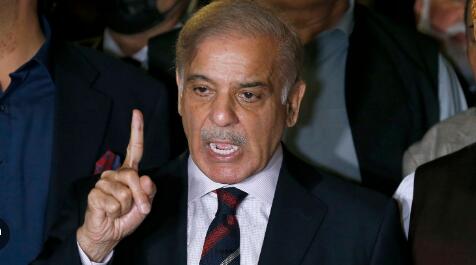
The US and Israel insist that Lebanon, which Tel Aviv has bombarded since March 2, was never part of the ceasefire. Iran, however, claims that it was included. Prime Minister Shehbaz Sharif of Pakistan explicitly stated in capital letters in a tweet that the ceasefire applied “everywhere,” including Lebanon.
“Iran and the United States, along with their allies, have agreed to an immediate ceasefire everywhere, including Lebanon and elsewhere, EFFECTIVE IMMEDIATELY,” Sharif had reportedly tweeted on X.
Within minutes, Israel welcomed the truce but clarified that Lebanon was not part of it. Hours later, Israeli missiles hit Lebanese cities, escalating violence. Lebanon’s involvement traces back to attacks by Hezbollah, Iran’s proxy, which prompted retaliatory Israeli strikes that have killed over 1,500 since March 2.
Pakistan’s ambassador to the US, Rizwan Saeed Sheikh, confirmed Sharif’s interpretation in an interview with CNN, stating that Lebanon was included in the ceasefire framework and that the announcement “could not have been more authentic” to what had been agreed. He added cautiously that ceasefires in the region have historically been fragile.
Israeli Prime Minister Benjamin Netanyahu, however, denied Pakistan’s claim. Iran’s Parliament Speaker Mohammad Bagher Ghalibaf condemned the strikes, saying, “In such a situation, a ceasefire or negotiations are unreasonable.”
In response, Iran temporarily reopened and then re-closed the Strait of Hormuz, halting oil tanker transit.
Pakistan’s Role Questioned
Pakistan, tasked with interpreting and communicating the ceasefire to both sides made critical errors with reports suggesting that Islamabad passed different versions of the same proposal to Washington and Tehran, giving each side a text that did not match what the other received. This resulted into massive Israeli strikes on Lebanon, with over 250 casualties.
US Vice President JD Vance hinted at the miscommunication without naming Pakistan directly and told reporters, “This comes from a legitimate misunderstanding. I think the Iranians thought that the ceasefire included Lebanon, and it just didn’t. We never made that promise. What we said was that the ceasefire would be focused on Iran and America’s allies, Israel and the gulf arab states.”
Pakistan had already faced embarrassment earlier when Prime Minister Sharif posted a “cut-and-paste” message on X hours before the ceasefire, which included the line ‘Draft – Pakistan’s PM Message on X.’
An NYT report confirmed that the draft was “seen” and “signed off” by the White House before posting.
Experts have criticized Islamabad for sloppy communication with Geopolitical analyst Sushant Sareen tweeted, “This is the Punjabi way of negotiations. Imprecise, uncertain, expedient, all aimed at getting an agreement without the finer details so that the moment is not missed… Contractors, realtors, and property dealers in New York and Lahore are past masters in such botched deal-making.”
US Steps In to Clarify
The confusion forced the US to clarify its position as Vance emphasized that the ceasefire agreement was intended to focus on Iran and US allies in the Gulf, not Lebanon.
The gap between what Pakistan claimed and what Washington and Tel Aviv insist upon exposed serious flaws in Islamabad’s mediation process, leaving the country’s diplomatic credibility in question.
Just 24 hours after the announcement, the ceasefire is already on precarious ground, raising concerns that Pakistan’s mishandling could have real human costs in the region.