
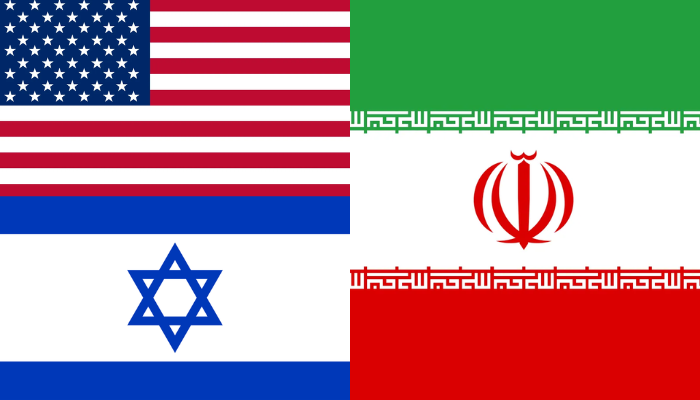
It was 6:32 PM in Washington. Just ninety minutes remained before a deadline set by US President Donald Trump for what he had warned would be a devastating assault on Iran’s infrastructure. Bridges, energy facilities, and water systems had reportedly been marked as targets. The world was bracing for a catastrophic escalation.
Instead, a message appeared online that abruptly halted the preparation for war.
Trump announced that the United States would suspend planned bombing and military attacks on Iran for two weeks, provided Tehran ensured the “complete, immediate and safe opening” of the Strait of Hormuz. The post instantly shifted the trajectory of a conflict that had been intensifying for weeks.
The announcement came after a dramatic day in which Trump had warned that an entire civilisation could disappear if a deal was not reached. His ultimatum set an 8:00 PM Eastern Time deadline, leaving diplomats and intermediaries racing against the clock to prevent a major military escalation.
Diplomatic Push Creates an Opening
Behind the scenes, a last-minute diplomatic initiative had been unfolding. Pakistan’s Prime Minister Shehbaz Sharif had publicly urged Trump to delay the deadline and allow a two-week pause to pursue negotiations. At the same time, he appealed to Iran to reopen the Strait of Hormuz during that period as a gesture of cooperation.
The proposal quickly emerged as a potential compromise.
Tehran had already transmitted a 10-point framework for ending hostilities through intermediaries. The document included sweeping demands such as sanctions relief, the release of frozen Iranian assets, and the withdrawal of US forces from the region. While Washington initially rejected the proposal as inadequate, it contained one concession that proved crucial: a commitment to allow commercial shipping to pass through the Strait of Hormuz.
The narrow waterway is one of the most important energy routes in the world, carrying roughly one-fifth of global oil supplies. Its reopening offered a tangible step toward de-escalation.
Tehran Signals Conditional Cooperation
Iran’s Foreign Minister Abbas Araghchi responded quickly after Trump’s announcement, stating that Iranian forces would halt their “defensive operations” if attacks against the country stopped.
He confirmed that safe passage through the Strait of Hormuz would be permitted for the two weeks, though vessels would operate under coordination with Iran’s armed forces.
Iranian officials simultaneously framed the ceasefire as a diplomatic success, arguing that Washington had accepted the broad framework of Tehran’s peace proposal. The plan outlines a broader settlement that includes ending hostilities across several regional theatres, lifting US sanctions, and securing financial resources for reconstruction.
However, differences remain. One version of the proposal in Farsi explicitly refers to acceptance of Iran’s uranium enrichment programme, a phrase missing from the English version shared with journalists.
Markets Signal Global Relief
Financial markets reacted immediately to the sudden pause in hostilities. Oil prices fell sharply as fears of a disruption to energy supplies through the Strait of Hormuz eased. US crude dropped more than nine percent within half an hour, with West Texas Intermediate falling to around $96 a barrel.
US stock futures also surged, reflecting investor relief after weeks of uncertainty driven by escalating conflict.
A Ceasefire Tested on the Ground
Despite the announcement, military activity did not stop instantly. Reports indicated missile launches from Iran toward Israel and several Gulf states, even after the ceasefire came into force.
Officials suggested the delay could stem from Iran’s decentralised military structure, where orders from central authorities may take time to reach field commanders.
Israel, whose forces had been striking Iranian infrastructure hours earlier, ultimately agreed to the ceasefire following Washington’s decision.
Islamabad Talks Could Determine the Outcome
The two-week pause is expected to lead to negotiations in Islamabad, where Pakistan has invited delegations from both countries to meet on April 10. These discussions could determine whether the current ceasefire evolves into a more durable agreement.
For now, the dramatic announcement has halted an immediate escalation but not resolved the deeper tensions at the heart of the conflict. Issues such as Iran’s nuclear programme, regional influence, and control over the Strait of Hormuz remain deeply contested.
The world stepped back from the edge with ninety minutes to spare. Whether the pause leads to lasting peace or delays another confrontation will depend on what unfolds in the negotiations ahead.