




















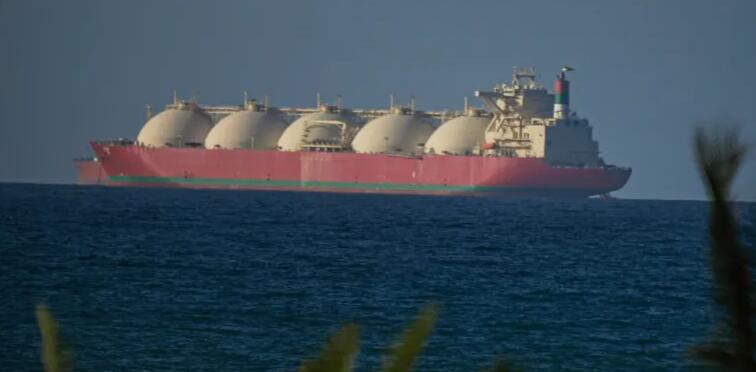
Two days after the Islamic Republic shut the Strait of Hormuz in retaliation for Israeli strikes in Lebanon, Iran is reportedly now unable to fully reopen the critical waterway.
According to The New York Times, Tehran is struggling to locate several sea mines deployed during the initial blockade and this technical failure has left the chokepoint, responsible for roughly 20 per cent of the world’s oil supply perilously unstable.
The impasse casts a shadow over upcoming peace negotiations with the United States in Islamabad. The stakes remain exceptionally high following a stern warning from Donald Trump, who demanded Tehran immediately restore traffic flow or face escalating consequences.
Despite agreeing to a ceasefire with the United States earlier this week, Iran has informed maritime authorities that it is unable to fully reopen the Strait of Hormuz.
The delay stems from a critical technical failure, that Tehran cannot locate all the sea mines it deployed to block the waterway during the peak of recent hostilities.
According to a report by The New York Times, US officials claim the Iranian authorities mined the strait “haphazardly” using small boats last month. While some placements were recorded, other mines were reportedly deployed in a manner that allowed them to drift or move, making them nearly impossible to track.
“It is not clear whether Iran recorded the mines’ placements,” the report stated, adding that even where records exist, the drifting nature of the devices has created a lethal game of hide-and-seek in one of the world’s most vital maritime corridors.
Alternative Routes and Tolls
The Strait of Hormuz is the primary artery for approximately 25 percent of the global oil supply. Its closure has been particularly devastating for India, which relies on the passage for 80 percent of its energy imports.
Iran’s Islamic Revolutionary Guard Corps (IRGC) had previously issued warnings that any unauthorized vessels risked catastrophic collisions with sea mines. During the blockade, the IRGC notably left a single passage open, but only for ships willing to pay a transit toll.
Following the ceasefire agreement brokered just hours before a deadline set by Donald Trump, the IRGC issued a formal statement acknowledging the persistent danger.
“All ships intending to transit the Strait of Hormuz are hereby notified that to comply with the principles of maritime safety and to be protected from possible collisions with sea mines… they should take alternative routes for traffic in the Strait of Hormuz,” it read.
The statement provided specific instructions for alternative entry and exit points, effectively admitting that the primary shipping lanes remain unsafe for general use.
A Cycle of Retaliation
The mining of the Strait was Tehran’s direct response to a massive escalation in regional hostilities. Tensions reached a breaking point following joint US-Israeli airstrikes across Iran, launched after nuclear talks stalled and intelligence suggested Tehran had resumed high-level enrichment.
In the days following those strikes, Israel launched “Operation Eternal Darkness,” a series of devastating raids across Lebanon targeting Hezbollah infrastructure. Iran, viewing the assault on its primary proxy as a “red line,” retaliated by weaponizing the Strait of Hormuz.
The current impasse in clearing the mines now threatens the “make-or-break” peace talks in Islamabad, as the US delegation, led by Vice President JD Vance, demands the immediate and total restoration of the global energy supply chain.