
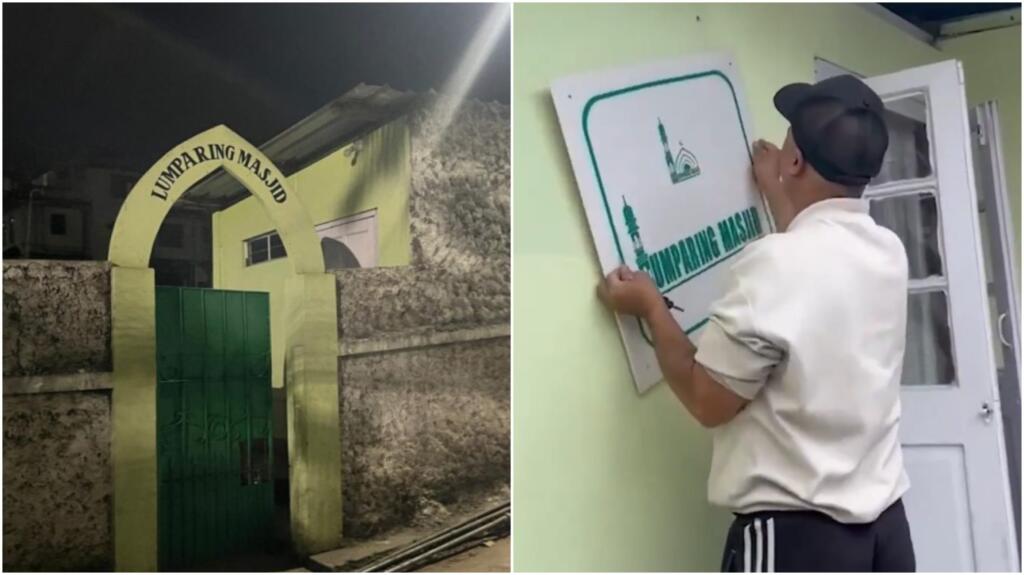
Tensions in Meghalaya’s capital have sparked a wider national conversation after Khasi students took decisive action over what they alleged to be an illegal religious structure in Shillong. The incident, centered in the Lower Lumparing area, has drawn attention not only for its immediate impact but also for the broader questions it raises about legality, civic authority, and community dynamics.
The controversy began when members of the Khasi Students’ Union (KSU), a prominent regional student body, intervened to shut down a mosque they claimed was constructed without proper authorization. According to reports, Khasi students alleged that the structure lacked necessary permissions from local authorities and had deviated from its originally designated purpose.
At the heart of the dispute is a claim regarding land use. Leaders of the student body stated that the site was initially meant to house a chowkidar responsible for overseeing a nearby burial ground. However, over time, the structure was reportedly converted into a place of worship without formal approval. This alleged change in purpose became a key point of contention, prompting Khasi students to act.
The situation quickly escalated, with tensions reported in the surrounding locality as the shutdown unfolded. Eyewitness accounts and local reporting indicated a charged atmosphere, reflecting the sensitivity of the issue in a region where questions of land, identity, and legality are deeply intertwined.
Importantly, the actions of Khasi students have been framed by supporters as an assertion of rule of law rather than an act of hostility. The student body has long been active in raising concerns related to unauthorized constructions, demographic changes, and preservation of local rights. In this context, their intervention is being interpreted by some as part of a broader pattern of civic vigilance.
However, critics caution that such actions must be carefully examined within the framework of due process. While allegations of illegal construction warrant investigation, enforcement of the law is typically the responsibility of designated authorities. The involvement of student groups in direct action raises complex questions about the limits of civic participation and the potential risks of escalation.
The incident also highlights the unique socio-political landscape of Meghalaya. Indigenous communities, including the Khasi people, have historically emphasized the protection of land rights and cultural identity. Movements like the Seng Khasi have long underscored the importance of preserving indigenous traditions and institutions. Within this context, actions by Khasi students are often seen through the lens of safeguarding local interests.
At the same time, Meghalaya’s diverse population includes multiple religious and ethnic communities, making issues like this particularly sensitive. The balance between enforcing regulations and maintaining communal harmony is delicate, requiring careful handling by both authorities and civil society actors.
Another dimension of the controversy lies in governance and regulatory oversight. The allegations made by Khasi students point to possible gaps in monitoring land use and construction activities. If a structure can indeed change its purpose without formal clearance, it raises questions about administrative vigilance and accountability.
The incident has also reignited discussions about the role of student organizations in public life. In many parts of Northeast India, such groups wield significant influence and often act as intermediaries between communities and the state. While this can be a source of strength, enabling grassroots mobilization and advocacy, it also places a responsibility on these organizations to act within constitutional boundaries.
As the situation develops, there is a growing call for a transparent and lawful resolution. Authorities are expected to verify the claims regarding the structure’s legality and take appropriate action based on established procedures. Such an approach would help ensure that the issue is addressed without further inflaming tensions.
In the broader national context, the episode involving Khasi students serves as a reminder of the complexities inherent in balancing law, identity, and community rights. It underscores the importance of clear regulations, consistent enforcement, and open dialogue in preventing local disputes from escalating into larger conflicts.
Ultimately, the path forward lies in reaffirming the rule of law while respecting the sensitivities of all communities involved. The actions of Khasi students have brought the issue into sharp focus, but the responsibility for resolution now rests with institutions tasked with upholding justice and maintaining harmony.