
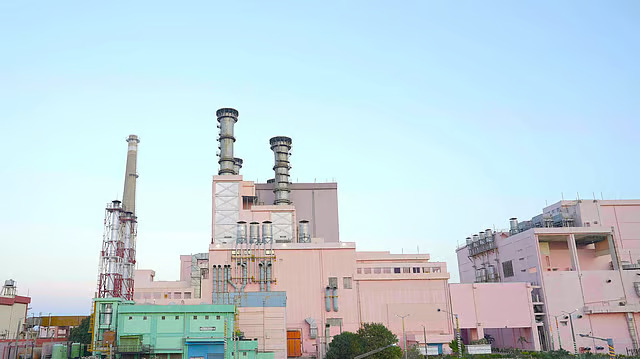
India’s civil nuclear programme has reached a historic turning point with the successful achievement of criticality at the Kalpakkam PFBR. This milestone marks not just a technological success but a strategic leap toward long-term energy independence. The Kalpakkam PFBR, a 500 MWe Prototype Fast Breeder Reactor located in Tamil Nadu, represents decades of scientific effort and stands as one of the most advanced nuclear systems developed indigenously in the country.
The attainment of criticality means that the Kalpakkam PFBR has achieved a self-sustaining nuclear fission chain reaction—where each fission event produces enough neutrons to sustain further reactions without external input. This is a crucial step before the reactor begins full-scale power generation. Scientists and engineers have long viewed this stage as a defining threshold in the commissioning of any nuclear reactor, and the Kalpakkam PFBR has now successfully crossed it.
What makes the Kalpakkam PFBR particularly significant is its role in India’s three-stage nuclear power programme. Unlike conventional reactors, fast breeder reactors are designed to produce more fissile material than they consume. This unique capability allows the Kalpakkam PFBR to “breed” fuel, thereby enhancing efficiency and sustainability. It uses plutonium-based mixed oxide fuel and is expected to eventually facilitate the transition to thorium-based energy systems—a key objective given India’s vast thorium reserves.
The importance of the Kalpakkam PFBR extends beyond technological achievement. It is central to India’s long-term vision of energy security. With limited domestic uranium resources but abundant thorium reserves, India has long pursued a strategy that leverages breeder reactors to convert thorium into usable nuclear fuel. The Kalpakkam PFBR is a critical bridge in this transition, enabling the country to move toward a more sustainable and self-reliant nuclear energy framework.
The journey to this milestone has not been easy. The Kalpakkam PFBR has been more than two decades in the making, with construction beginning in 2004 and facing multiple technical and regulatory delays. However, the successful attainment of criticality underscores the resilience and capability of India’s scientific community. It also reflects the country’s commitment to developing advanced nuclear technologies despite global challenges and technological complexities.
Another defining feature of the Kalpakkam PFBR is its indigenous design and construction. Developed by Bharatiya Nabhikiya Vidyut Nigam Limited (BHAVINI) with support from premier research institutions, the reactor showcases India’s growing expertise in nuclear engineering. This achievement positions India among a select group of nations capable of building and operating fast breeder reactors, a technology that remains rare and highly sophisticated on the global stage.
The strategic implications are equally profound. As global energy demands rise and the urgency of reducing carbon emissions intensifies, nuclear energy is increasingly being viewed as a reliable and clean alternative. The Kalpakkam PFBR strengthens India’s position in this domain, offering a pathway to large-scale, low-carbon energy production. It also enhances the country’s ability to meet its climate commitments while ensuring a stable and continuous power supply.
Looking ahead, the successful operation of the Kalpakkam PFBR is expected to pave the way for a new generation of breeder reactors in India. Plans are already underway for larger and more advanced units, such as the proposed FBR-600 reactors, which will build upon the experience gained from this prototype. The Kalpakkam PFBR thus serves as both a technological foundation and a strategic blueprint for the future of India’s nuclear energy programme.
In conclusion, the achievement of criticality at the Kalpakkam PFBR marks a defining moment in India’s scientific and strategic journey. It is not merely a milestone in nuclear engineering but a symbol of the country’s aspirations for energy independence, technological self-reliance, and sustainable development. As the civil nuclear program moves closer to full operational capacity, it promises to reshape India’s energy landscape and reinforce its status as a global leader in advanced nuclear technology.