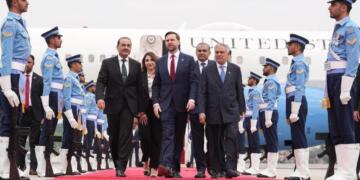











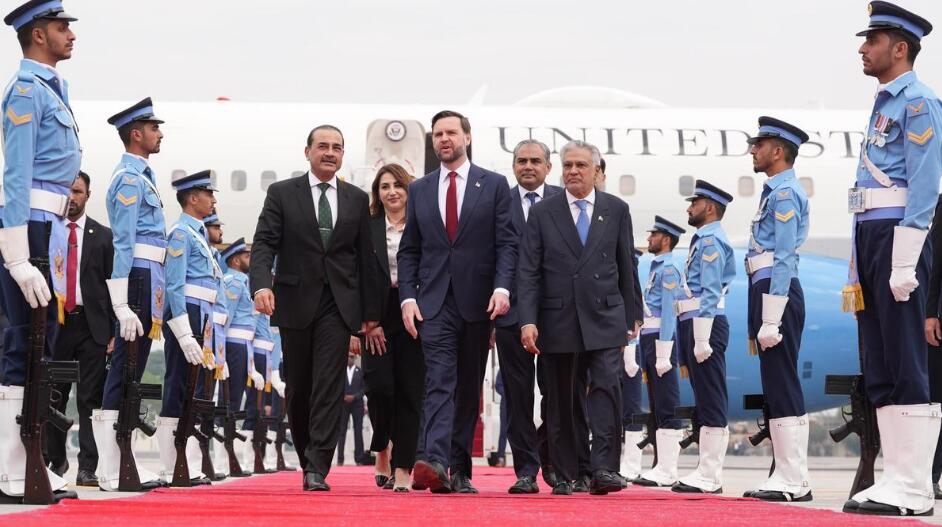
US Vice President JD Vance arrived in Pakistan’s capital Islamabad on Saturday noon signaling the start of a critical diplomatic push to end a six-week war that has devastated the Middle East and sent shockwaves through the global economy.
A high-level US government aircraft touched down in the Pakistani capital with Vance alongside President Donald Trump’s son-in-law and special adviser Jared Kushner and Special Envoy Steve Witkoff for peace talks with Iran.
Meanwhile, as per reports, Iranian officials have met with Pakistan’s Prime Minister Shehbaz Sharif ahead of US peace talks, details of negotiations remain scarce. US Vice President JD Vance also met with Sharif, accompanied by special envoy Steve Witkoff and Donald Trump’s adviser and son-in-law Jared Kusher.
Peace plans have been shared through the media, but no official points have been released, it said.
The American delegation’s arrival follows the early-morning landing of an Iranian team headed by Parliament Speaker Mohammad Bagher Ghalibaf and Foreign Minister Abbas Araghchi, said Pakistani sources.
The two sides were received by Pakistan’s Foreign Minister Ishaq Dar and military chief Asim Munir. Pakistan has emerged as the central mediator in the conflict, having already secured a fragile two-week ceasefire currently in effect.
Both delegations are expected to hold separate preliminary meetings with Prime Minister Shehbaz Sharif before moving into indirect negotiations.
Hardline Rhetoric and Pre-Negotiation Demands
Despite the diplomatic momentum, the atmosphere remains charged with tension. Before formal discussions even commenced, Speaker Ghalibaf signaled that Tehran’s participation is contingent on specific concessions.
He stated that talks could not proceed without firm commitments regarding Lebanon and the unblocking of frozen Iranian assets.
“Tehran expects those assurances to be honored,” Ghalibaf said, claiming Washington had previously agreed to such terms. However, he added that Iran remains open to a deal if the US offers a “genuine agreement” and respects Iran’s rights.
In Washington, President Donald Trump maintained a characteristically aggressive stance, dismissing Iran’s leverage on social media.
“The Iranians don’t seem to realise they have no cards. The only reason they are alive today is to negotiate!” Trump wrote.
Vice President Vance offered a more tempered but firm outlook upon his arrival, stating he hopes for a positive outcome but warned, “If they’re going to try to play us, then they’re going to find the negotiating team is not that receptive.”
A Capital Under Lockdown
The sheer scale of the diplomatic summit has turned Islamabad into a fortress. The Iranian delegation consists of approximately 70 members, including security and economic experts, while the US advance team numbers around 100.
In response, Pakistani authorities have implemented an unprecedented security lockdown. Thousands of paramilitary and army troops have been stationed throughout the city to ensure the safety of the officials.
“We have deployed multi-layer security for zero disruption and full control,” said junior interior minister Talal Chaudhry.
Fragile Ceasefire Amid Economic Stakes
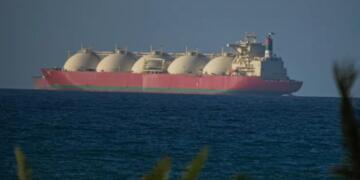
While a two-week ceasefire has halted direct US and Israeli strikes on Iranian soil, the regional situation remains volatile. Iran has yet to fully lift restrictions in the Strait of Hormuz, a move that continues to stifle global energy flows.
Simultaneously, violence persists on other fronts; Israeli strikes in southern Lebanon killed 13 state security members on Friday, prompting retaliatory rocket fire from Hezbollah.
The stakes extend far beyond the battlefield. Iran is seeking major concessions, including the lifting of international sanctions, recognition of its authority over the Strait of Hormuz to collect transit fees, and compensation for wartime damages.
Pakistani officials involved in the summit noted that negotiators are under strict instructions to either secure a definitive agreement or walk away. Whether this weekend marks the beginning of regional stability or a return to total escalation remains to be seen.