
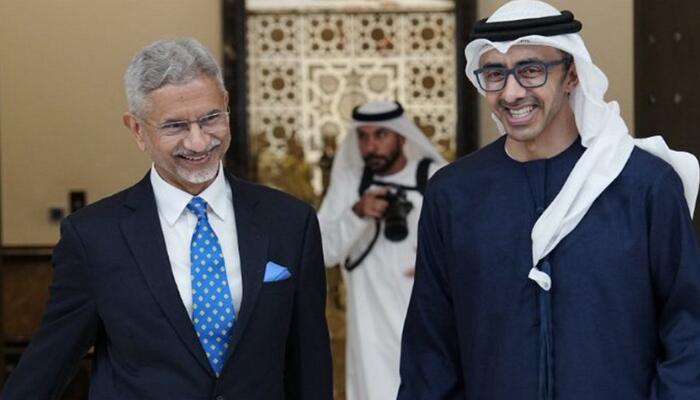
India’s External Affairs Minister S. Jaishankar is on an official visit to Mauritius and the United Arab Emirates, in a diplomatic outreach aimed at strengthening partnerships across the Indian Ocean region and the Gulf.
The visit began with Jaishankar travelling to Mauritius, where he participated in the 9th Indian Ocean Conference and met the country’s leadership. He has since arrived in Abu Dhabi for a two-day visit focused on reviewing cooperation with the UAE and advancing the Comprehensive Strategic Partnership between the two countries.
Officials say the engagements reflect India’s continuing focus on regional stability, maritime cooperation and energy security.
Focus on Indian Ocean cooperation in Mauritius
During his visit to Mauritius on April 9 and 10, Jaishankar held discussions with the island nation’s leadership to review the full range of bilateral relations and explore ways to deepen cooperation.
The External Affairs Minister also delivered the keynote address at the 9th Indian Ocean Conference, which brought together representatives from countries across the region to discuss maritime security, economic cooperation and connectivity in the Indian Ocean.
On the sidelines of the conference, Jaishankar met counterparts from several participating nations and discussed opportunities to expand cooperation and strengthen coordination among Indian Ocean countries.
India’s Ministry of External Affairs said the visit reflects New Delhi’s commitment to its Neighbourhood First policy and Vision MAHASAGAR initiative, which emphasises stronger engagement with countries in the Indian Ocean region. The outreach also highlights India’s efforts to deepen cooperation with nations of the Global South and promote stability and sustainable development in the region.
India is also working towards finalising a government-to-government agreement with Mauritius for the supply of oil and gas, which officials say will contribute to strengthening the island nation’s energy security.
Strategic talks with UAE leadership
Following his engagements in Mauritius, Jaishankar arrived in Abu Dhabi on April 11 for an official visit to the United Arab Emirates.
During the visit, he is expected to meet senior UAE leaders to review ongoing cooperation and further strengthen the Comprehensive Strategic Partnership between the two countries.
Officials say the discussions will cover a wide range of areas including trade, investment, energy cooperation, security collaboration and cultural exchanges, reflecting the depth of ties between India and the UAE.
The visit comes as India looks to reinforce its energy partnerships with Gulf nations. The diplomatic outreach is being undertaken under the direction of Prime Minister Narendra Modi as part of broader efforts to secure stable energy supplies amid changing regional dynamics.
India has also been extending support to neighbouring countries facing energy challenges. According to the Ministry of External Affairs, New Delhi supplied 38 metric tonnes of petroleum products to Sri Lanka two weeks ago following a request from Colombo.
Engagement amid evolving regional diplomacy
Jaishankar’s visit to the UAE comes at a time when diplomatic activity in West Asia has intensified, with several regional and global actors engaging in talks aimed at managing tensions and addressing ongoing conflicts.
Analysts say India’s outreach reflects its interest in maintaining stability in the Gulf region, given its strong economic links with Gulf countries, reliance on energy imports and the presence of a large Indian diaspora across the region.
Together, the visits to Mauritius and the UAE underline India’s continued engagement with key partners in strategically important regions while reinforcing cooperation on security, economic ties and regional stability.