
The Parliament passed the Jan Vishwas (Amendment of Provisions) Bill, 2026, a sweeping reform that decriminalises hundreds of minor offences and rationalises provisions across multiple central laws, marking a significant step in improving both ease of doing business and ease of living.
The bill amends 784 provisions across 79 central laws administered by 23 ministries. Of these, 717 provisions are being decriminalised to reduce legal burdens on businesses, while 67 amendments focus on streamlining procedures for citizens.
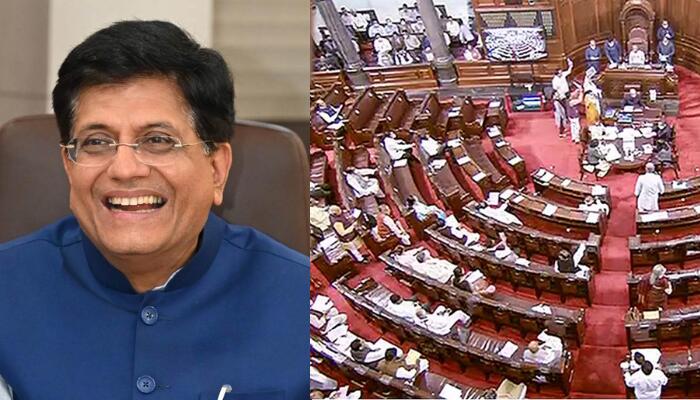
The Rajya Sabha approved the bill through a voice vote after Commerce and Industry Minister Piyush Goyal responded to a debate on the legislation. The Lok Sabha had passed the bill a day earlier, clearing the way for one of the most extensive regulatory reforms in recent years.
Union Home Minister Amit Shah welcomed the move, calling it a “giant step” towards simplifying regulatory processes. In a post on X, he said, “The legislation will help realise the vision of a “New India” by making life easier for citizens and business operations more straightforward.”
Prime Minister Narendra Modi also praised the reform, stating, “It strengthens a trust-based governance framework, removes outdated rules and ensures faster disposal of cases by reducing minor criminal liabilities.”
Moving Away from Criminal Penalties
A key feature of the legislation is replacing imprisonment and criminal sanctions for minor, technical, or procedural defaults with civil or administrative enforcement. Under the bill, authorities can issue warnings for first-time violations and impose proportionate monetary penalties for repeated or serious offences.
Officials said the reform aims to encourage voluntary compliance, reduce unnecessary criminalisation, and create a predictable regulatory environment, especially benefiting small and medium enterprises. The bill also rationalises over 1,000 offences by removing outdated and redundant provisions.
To ensure efficient enforcement, the legislation provides for the appointment of adjudicating officers and the establishment of appellate authorities. These mechanisms are designed to enable quicker dispute resolution while upholding natural justice.
Simplifying Compliance for Citizens
The bill also introduces 67 amendments under the New Delhi Municipal Council Act, 1994 and the Motor Vehicles Act, 1988, intended to streamline municipal taxation and vehicle compliance. Officials said these changes will reduce procedural complexity and make regulatory interactions more convenient for the public.
Result of Extensive Consultations
The legislation emerged from a comprehensive consultative process involving inter-ministerial committees, high-level meetings under NITI Aayog, and consultations with industry associations and civil society organisations. A Select Committee chaired by Tejasvi Surya examined an earlier version of the bill in 49 sittings and submitted its report to the Lok Sabha on 13 March 2026.
The Jan Vishwas (Amendment of Provisions) Bill, 2026 builds on the 2023 Jan Vishwas Act, which had decriminalised 183 provisions across 42 central laws. The new bill expands this reform, modernising India’s regulatory framework, promoting proportionate and risk-based regulation, and fostering a compliance culture based on trust rather than punishment.