
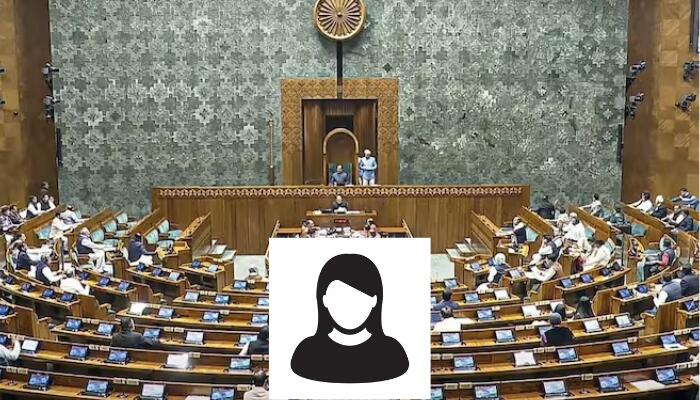
The Union government is set to move forward with legislation aimed at implementing one third reservation for women in the Lok Sabha and state legislative assemblies when Parliament reconvenes for a special three day session beginning April 16. The proposed measures are intended to advance the operational rollout of the framework created under the Nari Shakti Vandan Adhiniyam, which Parliament passed in 2023 to expand women’s representation in legislative bodies.
Officials in the National Democratic Alliance expressed confidence that the initiative would secure the required parliamentary backing. The government believes the broad acceptance of women’s political representation across parties, along with the growing influence of women as a decisive electoral constituency, has strengthened the case for moving ahead with the next legislative steps.
The Nari Shakti Vandan Adhiniyam mandates one third reservation for women in the Lok Sabha and in state assemblies. However, the law tied its implementation to the completion of the ongoing national Census and the delimitation exercise that will follow. With these processes expected to shape the final allocation of constituencies, the reservation is likely to come into force from the 2029 general elections.
Political context around the special session
The decision to reconvene Parliament in mid April carries political significance. The special sitting will take place just days before elections in West Bengal and ahead of the upcoming polls in Tamil Nadu. West Bengal in particular remains an important battleground for the Bharatiya Janata Party, which has been attempting to challenge the Trinamool Congress’s fifteen year rule in the state.
While some opposition parties have questioned the timing and urgency of the session, they have not openly rejected the proposal itself. When the original legislation was passed in 2023, it received near unanimous support across party lines. In the Lok Sabha, only two members from the All India Majlis e Ittehadul Muslimeen voted against the bill, while the Rajya Sabha saw no votes opposing it.
Earlier criticism from opposition leaders focused largely on the absence of a clear implementation timeline. Congress president Mallikarjun Kharge had described the measure as a political slogan and argued that linking implementation to delimitation could delay the reservation until the 2034 elections. Nevertheless, opposition parties broadly supported the idea of increasing women’s representation and had called for earlier implementation.
A proposal shaped by decades of debate
The demand for reserving seats for women in legislatures has been part of India’s political debate for nearly three decades. The first attempt to introduce the legislation came in 1996 during the government led by H D Deve Gowda. Successive governments, including those headed by Atal Bihari Vajpayee and later the United Progressive Alliance, attempted to push the proposal forward but faced repeated disruptions.
Regional parties rooted in Other Backward Classes politics, including the Samajwadi Party and the Rashtriya Janata Dal, had historically raised concerns that the reservation might disproportionately benefit upper caste women. They demanded a separate sub quota for women belonging to backward communities within the reserved seats.
Parliamentary debates around the proposal were often tense. In earlier sessions, members linked to Mandal politics had staged dramatic protests inside the House. RJD leaders Surendra Yadav in 1998 and Rajniti Prasad in 2010 were among those who tore copies of the bill during debates to express their opposition.
Despite the turbulent history of the proposal, the legislation eventually secured overwhelming support when Parliament passed it in 2023. The government is now expected to introduce at least two bills, including constitutional amendments, to enable the operational rollout of the reservation framework. Their passage will require parliamentary approval, a hurdle the government believes can be cleared given the broad consensus around expanding women’s participation in India’s political institutions.