
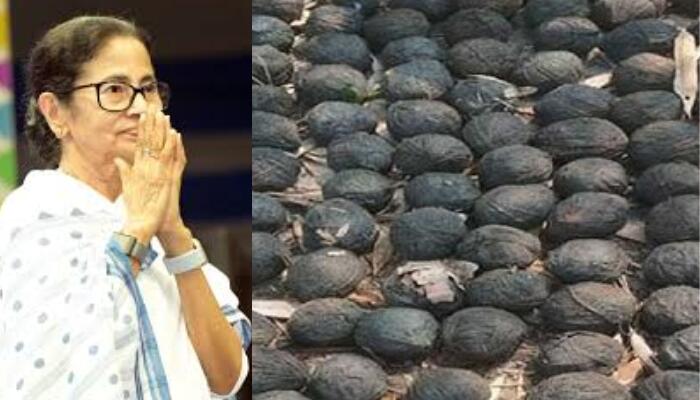
Days before West Bengal votes in the final phase, the recovery of 79 crude bombs in Bhangar has triggered a major security alarm. Acting on Union Home Ministry orders, the National Investigation Agency took over the case and began probing possible terror links.
Kolkata Police first registered the case at Uttar Kashipur police station under the Bhangar division. Officials say the explosives and other incriminating material endangered lives and property. Consequently, the Centre has treated the matter as a scheduled offence under the NIA Act and linked it to attempts to spread fear.
Election Commission Orders Crackdown
Meanwhile, the Election Commission launched a state-wide drive against illegal bomb-making. It also warned police officers of strict action if they fail to prevent such incidents.
The order followed another major seizure in Bhangar. Police recovered around 100 crude bombs from the house of Rafikul Islam, identified as a Trinamool Congress worker. That recovery sharpened questions over poll-time intimidation.
Moreover, authorities tightened surveillance in vulnerable pockets. Security teams increased area domination and rapid deployment measures before the April 29 vote. Officials also warned that any effort to disrupt voting would invite unprecedented consequences.
Blast Probe Widens
The NIA is also examining links with the March 18 blast in West Bamunia village, where crude bombs exploded while people were allegedly assembling them.
Police arrested Wahidul Islam Molla in that case, and investigators suspect a wider network may be involved. Investigators say Trinamool booth president Mosiur Kazi suffered injuries in the blast, while his body later surfaced nearly 24 kilometres away in Haroa. That development has deepened the mystery around the case.
Bigger Questions Over Poll Violence
The NIA’s entry has raised the stakes. What began as an explosives seizure now carries wider implications for electoral security.
The timing has made the issue more serious. The first phase recorded a 93.19 per cent turnout, and therefore, authorities want the final round free of fear or coercion.
For years, Bhangar has faced allegations that political actors use crude bombs in clashes and voter intimidation. Yet the latest recoveries have brought those concerns back into focus with unusual force.
This is no longer only about who stored 79 bombs. Instead, the larger question is whether Bengal’s long-debated violence ecosystem is finally facing national scrutiny.