
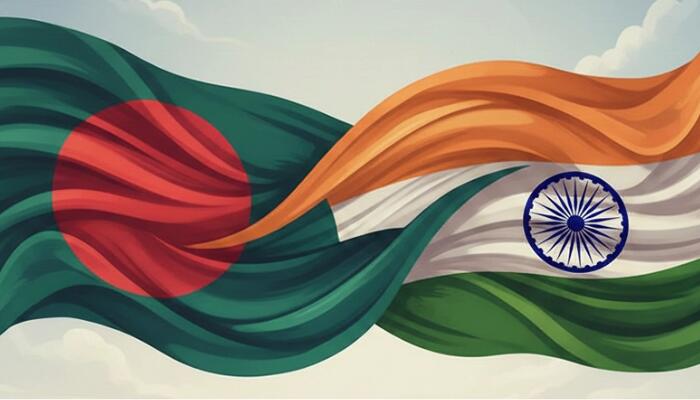
Bangladesh Foreign Minister Khalilur Rahman arrived in New Delhi today for a crucial two-day visit aimed at reviving momentum in India–Bangladesh relations after months of diplomatic uncertainty. The trip marks the first high-level political engagement between the two countries since the Bangladesh Nationalist Party government led by Prime Minister Tarique Rahman assumed office earlier this year.
Rahman reached the Indian capital in the afternoon and is scheduled to meet National Security Advisor Ajit Doval later in the evening. The two leaders had previously interacted in November when Rahman travelled to Delhi as Bangladesh’s National Security Adviser during the interim administration.
The Bangladeshi foreign minister will hold formal talks with External Affairs Minister S Jaishankar tomorrow. He is also expected to meet Petroleum and Natural Gas Minister Hardeep Singh Puri and Commerce Minister Piyush Goyal as part of a packed diplomatic schedule covering strategic, economic, and security cooperation.
Energy Cooperation in Focus
Energy security is expected to dominate the discussions. Bangladesh is currently facing pressure on fuel supplies amid wider disruptions in global energy markets linked to the conflict in West Asia, prompting Dhaka to seek deeper cooperation with India.
The two countries already share an energy supply arrangement under which Bangladesh has been importing diesel from India since 2017. Officials are likely to examine ways to expand this partnership to ensure stable supplies and strengthen regional energy cooperation.
Ahead of the visit, Rahman told the Bangladeshi daily Prothom Alo that the talks would centre on the future direction of relations between the two neighbours.
“We want a normal relationship with India based on mutual respect, dignity, and interests,” he said.
Push to Revive Connectivity Projects
Reviving infrastructure and connectivity initiatives is another major priority for both sides. Several railway and road projects linking the two countries slowed during Bangladesh’s interim government period, and officials are now seeking to accelerate their implementation.
Improved connectivity remains strategically important for New Delhi because stronger transport links through Bangladesh provide easier access to India’s northeastern states. At the same time, such initiatives have occasionally sparked political debate within Bangladesh, making sustained diplomatic engagement essential.
The visit follows a phase of quiet diplomatic groundwork. In early March, Bangladesh’s intelligence chief Major General Kaiser Rashid Chowdhury travelled to New Delhi and met senior Indian security officials, including the heads of India’s external intelligence and military intelligence agencies.
Water Sharing, Border Security, and Trade Concerns
Beyond energy and infrastructure cooperation, several politically sensitive issues are expected to feature in the discussions. These include border management, counter-terrorism cooperation, and river water sharing.
The Ganga water-sharing treaty between the two countries is due to expire in December this year, and officials are expected to explore options for its renewal. Bangladesh is also likely to raise the long-pending Teesta water-sharing agreement, which has remained stalled for years due to objections from the West Bengal government led by Chief Minister Mamata Banerjee.
Trade restrictions and visa arrangements are also likely to be discussed. Dhaka has been seeking the easing of trade curbs imposed by India in recent years and the restoration of full visa services for Bangladeshi citizens travelling to India for education, medical treatment, tourism and business.
Rahman is accompanied by Humayun Kabir, adviser on foreign affairs to Prime Minister Tarique Rahman, along with other senior officials. After completing his engagements in Delhi from April 7 to 9, the Bangladesh foreign minister will travel to Mauritius to attend the Indian Ocean Conference scheduled for April 11 and 12.
The visit is widely viewed as an important opportunity for both countries to stabilise relations and rebuild strategic trust in one of South Asia’s most significant bilateral partnerships.