
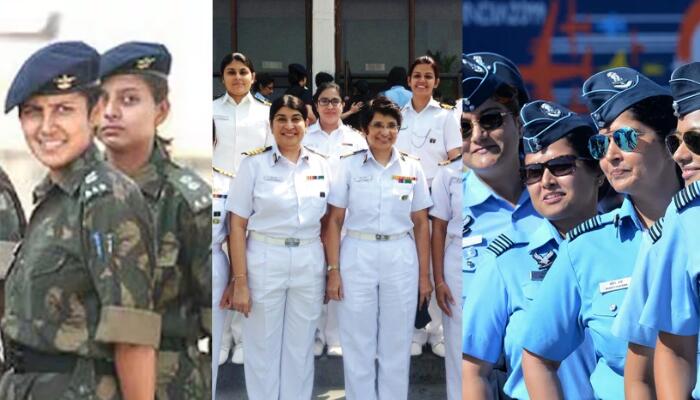
The increasing presence of women in the armed forces highlights a profound shift in institutional culture. Once confined primarily to medical and nursing duties, women now serve in frontline operations, command positions, and strategic roles. Their growing participation reflects a combination of progressive policy reforms, judicial support, and sustained institutional initiatives aimed at fostering gender equity and operational inclusivity.
From the first induction of women doctors into the Army Medical Corps in 1958, granted Regular Commissions on par with men, to the opening of officer-level entry for women in 1992, India’s defence forces have steadily expanded opportunities for women. Today, women officers hold Permanent Commissions in multiple Army branches, command high-altitude units, serve on warships, and operate fighter jets and helicopters, marking an era of unprecedented inclusivity.
Breaking Barriers Across the Services
The Indian Army has integrated women into leadership and operational roles across twelve arms and services. Lieutenant General Sadhna Saxena Nair made history as the first woman to become Director General of Medical Services (Army), while Colonel Ponung Doming commands the world’s highest Border Task Force, demonstrating women’s capacity for high-stakes operational leadership.
In the Air Force, Squadron Leaders Bhawana Kanth, Avani Chaturvedi, and Shivangi Singh have reached significant milestones in fighter aviation, including combat missions and operating advanced aircraft like the Rafale. Meanwhile, Wing Commander Anjali Singh became the first woman military diplomat posted abroad, reinforcing the expanding global footprint of India’s women officers.
The Navy has also witnessed historic achievements. Lieutenant Commander Annu Prakash contributed to key maritime security operations, Captain Hansja Sharma became the first woman Rudra helicopter pilot in the Army, and Sub Lieutenant Aastha Poonia broke into the fighter stream of Naval Aviation. Lt Commanders Dilna K and Roopa A completed a 25,600-nautical-mile global circumnavigation aboard INSV Tarini, exemplifying endurance, courage, and leadership at sea.
Global Recognition and Peacekeeping Contributions
Indian women in uniform are making a significant mark internationally. Officers such as Major Swathi Shanthakumar and Major Radhika Sen have received accolades from the United Nations for gender-responsive peacekeeping initiatives and community engagement in conflict-affected regions. As of mid-2025, over 154 Indian women are deployed across six UN peacekeeping missions, with India achieving 22% representation of women as staff officers or observers, surpassing global gender parity targets in military deployments.
Expanding Numbers and Future Horizons
The growth of women in the armed forces has been remarkable. From approximately 3,000 women officers in 2014, the number has now surpassed 11,000, with expanded recruitment and training opportunities, including induction through the National Defence Academy. Recent graduating cohorts include 17 women in May 2025 and 15 in November 2025, with states like Haryana, Uttar Pradesh, and Rajasthan leading in cadet numbers. The Army has also increased the annual intake of women cadets by 80 percent, reflecting a long-term institutional commitment to inclusivity.
The trajectory of women in India’s armed forces points to continued expansion, with greater operational responsibilities, leadership roles, and international representation. Their journey underscores a powerful narrative of Nari Shakti, women as a transformative force, safeguarding the nation while redefining the future of India’s defence.