
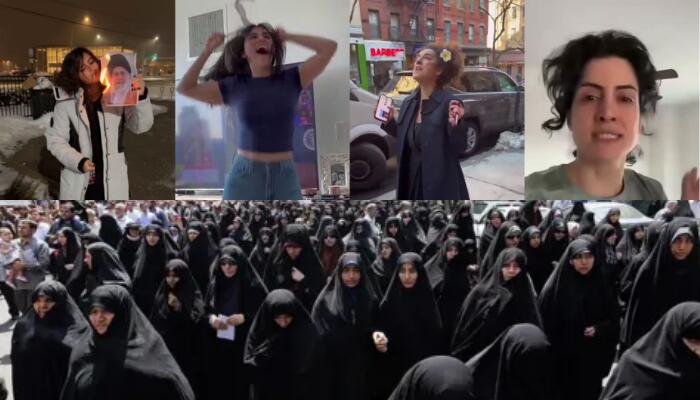
Iran has been plunged into political uncertainty after reports confirmed that its Supreme Leader, Ali Khamenei, was killed in a joint missile strike by the United States and Israel in Tehran. The government announced 40 days of nationwide mourning, tightened security, and urged unity. Yet, across cities and online platforms, Iranian women responded in strikingly different ways, celebrating publicly in scenes rarely witnessed in the tightly controlled state.
State-linked media said Khamenei died in a coordinated military operation targeting key locations in the capital. Official ceremonies and security alerts followed. At the same time, social media was filled with footage of women dancing in the streets and parks, removing their hijabs, lighting fireworks, honking car horns, and chanting slogans. In several clips, women were heard shouting “Khamenei is dead”, thanking the United States, and calling the day “the happiest moment” of their lives.
Strike Reportedly Targeted Senior Leadership Meeting
According to multiple reports, Khamenei was attending a closed-door meeting when the strike occurred. Those present reportedly included former national security chief Ali Shamkhani and IRGC commander Mohammad Pakpour. Other accounts said veteran politician Ali Larijani was also in attendance.
The missile strike allegedly hit the venue directly. Israeli Prime Minister Benjamin Netanyahu later said the operation had destroyed Khamenei’s compound in Tehran. Iranian outlets claimed several members of his family were killed, though independent confirmation remains unavailable.
Khamenei, who ruled since 1989, was 86 and had long faced criticism for overseeing political repression and restrictions on women’s freedoms.
From Fear to Defiance: Women Claim Public Space
Within hours of the announcement, women appeared on balconies and rooftops, chanting “freedom”, “death to the regime”, and “long live the Shah”. Others hugged strangers in the streets, played music, and danced openly. Some traditionally dressed women were also seen removing hijab, signalling rare public dissent.
Human rights groups warned that participants risk arrest, facial recognition tracking, and surveillance. In recent years, women have been detained for far less visible acts of protest. Many of those celebrating had previously faced harassment for violating dress codes or participating in demonstrations.
Observers linked the scenes to the legacy of the “Woman, Life, Freedom” movement that followed the death of Mahsa Amini in 2022, when women-led protests challenged state authority nationwide.
Diaspora Voices, Online Protest, and Regional Tension
Outside Iran, diaspora communities organised rallies and online campaigns. An exiled activist known as “Morticia Addams”, now believed to be based in Canada, shared celebratory videos and wrote that she would “dance on your grave”. She has said she fled Iran after detention, escaping first to Turkey before relocating to Toronto on a student visa. Some of her posts quoted former US President Donald Trump, prompting mixed reactions.
Meanwhile, Iran launched retaliatory strikes, regional forces were placed on alert, and diplomatic efforts intensified. At the AFC Women’s Asian Cup in Australia, Iran’s women’s football officials avoided political questions, urging focus on sport.
As Iran enters an uncertain transition, the contrast between enforced mourning and spontaneous celebration reveals a nation deeply divided. For many women, these moments represent more than relief. They reflect years of suppressed anger, resilience, and hope, now briefly visible in public. Whether this defiance leads to lasting change remains unclear, but it has already marked a powerful assertion of voice in a society that long tried to silence it.