












At a time of heightened geopolitical tension across West Asia, India’s envoy to the United Kingdom, Vikram Doraiswami, has delivered a firm message on the security of global maritime routes, calling any disruption in the Strait of Hormuz “unacceptable.” His remarks, captured in a widely circulated post, underscore India’s deep concern over threats to one of the world’s most critical energy corridors.
Doraiswami’s statement comes amid rising anxieties over attacks on commercial shipping and the broader implications for global trade. He emphasized that targeting merchant vessels, endangering civilian crews, and obstructing safe navigation through the Strait of Hormuz is not just a regional issue but a global one. The corridor serves as a vital artery for oil and gas shipments, and any instability here reverberates across economies, including India’s heavily import-dependent energy sector.
India has long maintained a balanced diplomatic approach in West Asia, navigating complex relationships while safeguarding its strategic interests. Doraiswami’s remarks reflect this careful positioning. By categorically stating that interference in the Strait of Hormuz cannot be tolerated, he signaled India’s alignment with international norms that guarantee freedom of navigation and the safety of maritime trade routes. At the same time, his tone avoided direct attribution of blame, maintaining New Delhi’s tradition of measured diplomacy.
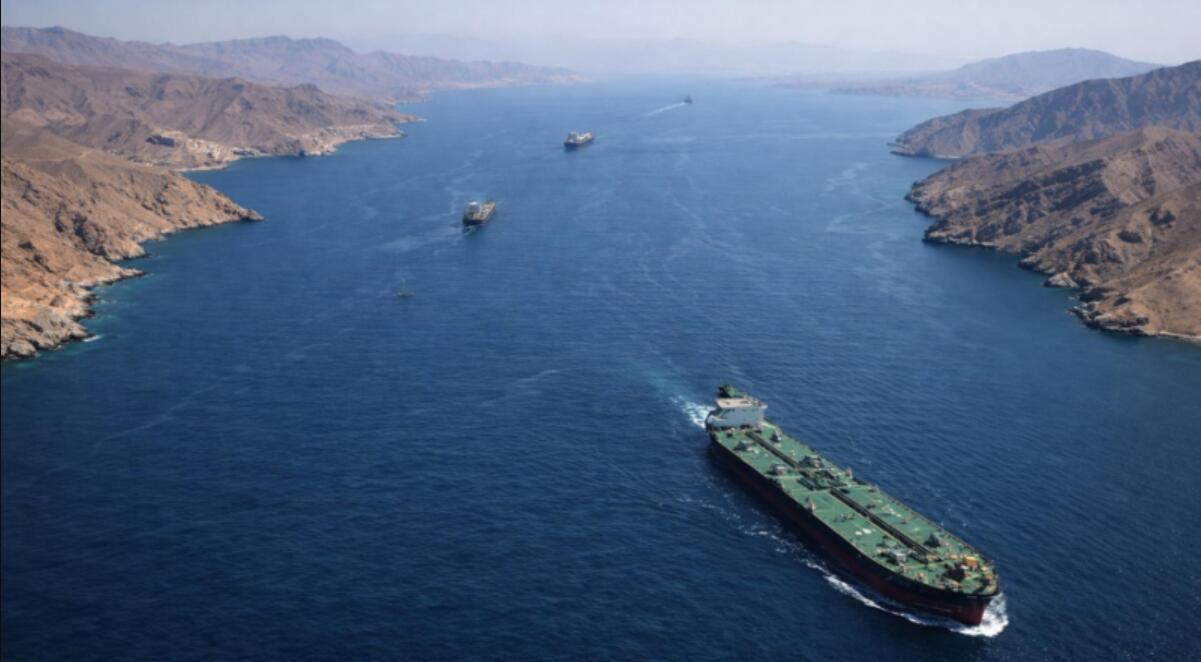
The Strait of Hormuz, a narrow waterway linking the Persian Gulf to the Arabian Sea, carries nearly a fifth of the world’s petroleum supplies. For India, which imports over 80 percent of its crude oil, uninterrupted access through the Strait of Hormuz is essential for economic stability. Doraiswami’s intervention therefore highlights not just a diplomatic stance, but a strategic necessity rooted in national interest. Any escalation in the region could trigger supply disruptions, price volatility, and broader economic consequences.
Beyond energy concerns, Doraiswami also pointed to the human cost of maritime insecurity. Commercial shipping crews, often multinational and civilian in nature, are increasingly exposed to risk in conflict-prone waters. By stressing that endangering these lives is unacceptable, he broadened the issue from a purely economic concern to one of humanitarian responsibility. This framing aligns India with global calls for ensuring safe passage through the Strait of Hormuz and protecting seafarers from becoming collateral victims of geopolitical tensions.
India’s position also reflects its growing role as a stakeholder in global maritime security. With expanding naval capabilities and increasing participation in international maritime cooperation frameworks, New Delhi has sought to contribute to stability in key sea lanes. Doraiswami’s remarks reinforce this evolving role, suggesting that India is prepared to speak more assertively on issues affecting the Strait of Hormuz and similar chokepoints.
The envoy’s statement is particularly significant given the current international climate, where regional conflicts risk spilling into global trade networks. Any sustained disruption in the Strait of Hormuz would not only impact oil supplies but also insurance costs, shipping routes, and overall confidence in maritime trade. Doraiswami’s words serve as both a warning and a reminder: that safeguarding these routes is a shared international responsibility.
Moreover, his comments resonate with broader international concerns. Several countries have expressed alarm over incidents involving commercial vessels in recent months. By adding India’s voice to this chorus, Doraiswami has reinforced the urgency of collective action to ensure that the Strait of Hormuz remains open and secure.
In conclusion, Vikram Doraiswami’s statement marks a clear articulation of India’s stance on maritime security in a volatile region. By condemning threats to shipping and emphasizing the importance of safe navigation through the Strait of Hormuz, he has highlighted both the economic and human stakes involved. As global tensions persist, such diplomatic signals play a crucial role in shaping international responses and reinforcing the norms that underpin secure and open sea lanes.