
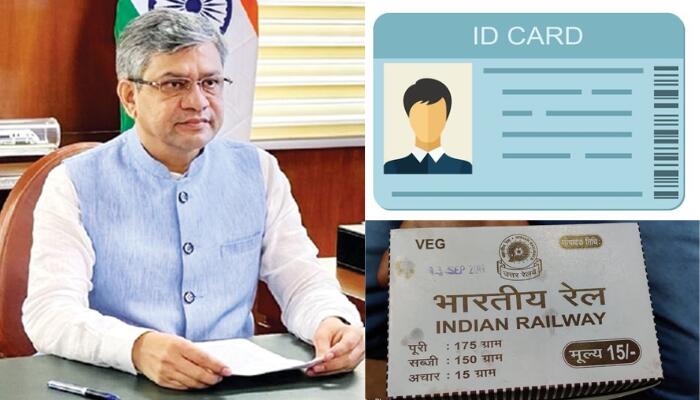
In a decisive move to curb unauthorised vending and restore passenger trust, Indian Railways has introduced QR code-enabled identity cards for all catering staff deployed on trains. The measure is designed to ensure that only verified personnel are allowed to sell food onboard, addressing long-standing concerns over unregulated hawking and questionable food standards.
According to the announcement made in the Lok Sabha by Union Minister Ashwini Vaishnav, unauthorised selling and hawking remain strictly prohibited under Section 144 of the Railways Act, 1989, and are punishable offences. Enforcement teams, including designated railway officials and the Railway Protection Force, are conducting regular inspections, supplemented by targeted drives to keep unauthorised vendors off trains and railway premises.
QR Codes to Ensure Accountability
The newly introduced QR code system forms the backbone of this enforcement strategy. Each authorised vendor, assistant, or catering employee will carry an identity card embedded with a QR code that reveals critical verification details. These include the individual’s name, Aadhaar number, medical fitness status and police verification records, allowing instant authentication.
In addition, food packets themselves will carry QR codes, along with clearly displayed information about the source kitchen and date of preparation. This step is expected to enhance traceability and deter malpractice by making every stage of the food supply chain more transparent.
Overhaul of Kitchens and Food Safety Systems
Beyond enforcement, Indian Railways is undertaking a broader overhaul of its catering infrastructure to improve hygiene and food quality. Food will now be sourced exclusively from designated base kitchens, many of which are being upgraded into modern facilities equipped with improved cooking and storage systems.
To strengthen oversight, CCTV cameras are being installed in these kitchens, enabling continuous monitoring of food preparation processes. The use of standardised, branded raw materials such as cooking oil, grains, dairy products and seasonings has also been mandated to maintain consistency and safety.
Food safety supervisors have been deployed in key kitchens, while onboard supervisors from IRCTC will monitor catering services during train journeys. Regular deep cleaning and pest control measures are being enforced across both base kitchens and pantry cars to maintain sanitary conditions.
Strict Certification and Continuous Monitoring
Compliance with food safety norms has been made non-negotiable. All catering units are now required to obtain certification from the Food Safety and Standards Authority of India, ensuring adherence to established safety benchmarks.
Monitoring mechanisms have also been intensified. Routine food sampling forms part of the inspection process, while third-party audits are conducted to assess hygiene standards in kitchens and pantry cars independently. Surprise inspections by food safety officers further reinforce accountability.
At the same time, customer satisfaction surveys are conducted to gauge passenger experience and identify gaps in service delivery.
To complement these measures, IRCTC is investing in regular training programmes for catering staff, focusing not only on hygiene but also on communication, courteous behaviour, personal grooming and overall service standards.
Taken together, these steps signal a comprehensive push by Indian Railways to eliminate unauthorised vending while elevating the quality, safety and reliability of onboard catering, an area that has long drawn scrutiny from passengers across the country.