
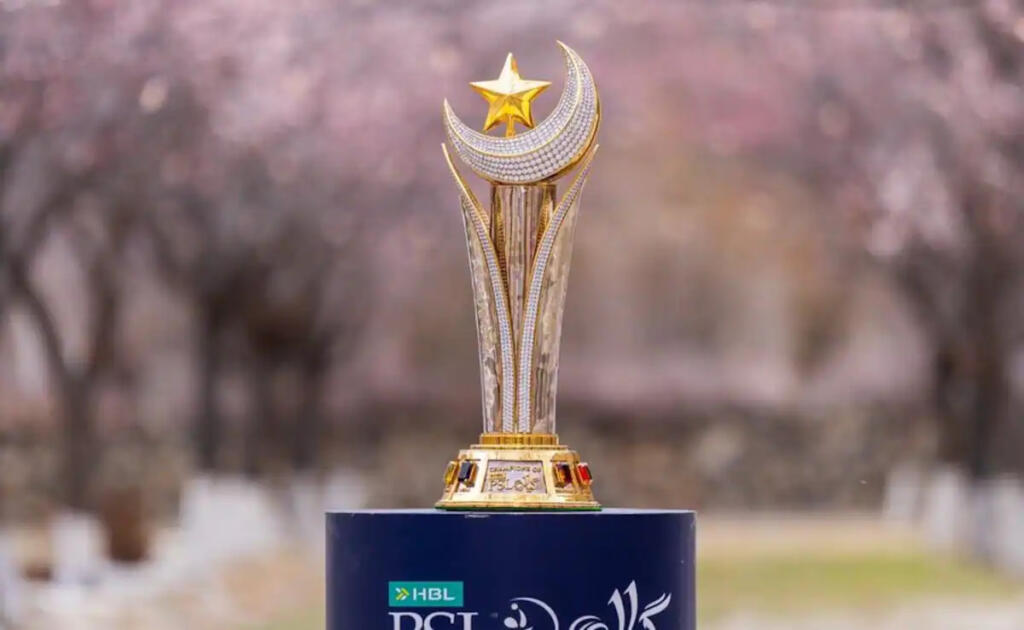
The Pakistan Cricket Board’s latest announcement has sent ripples through the cricketing world, as it confirmed that PSL 11 will commence on March 26 under unprecedented constraints. Against the backdrop of a nationwide fuel crisis triggered by escalating tensions in West Asia, the board has opted for a no-spectator tournament, prioritizing logistical feasibility and national interest over the usual fanfare. This decision marks a significant departure from the Pakistan Super League’s traditionally vibrant atmosphere, where packed stadiums and elaborate ceremonies have long defined the competition’s identity.
At the heart of the matter lies a broader national concern. PCB Chairman Mohsin Naqvi stated that the move aligns with the Prime Minister’s directive to restrict public movement and conserve resources amid the ongoing crisis. As a result, PSL 11 will unfold without its customary opening ceremony, a symbolic sacrifice that underscores the gravity of the situation. The absence of live crowds, while disappointing for fans, reflects a calculated attempt to ensure the tournament proceeds without exacerbating the country’s logistical challenges.
In another major adjustment, the PCB has streamlined the tournament’s geography. Rather than spreading matches across multiple venues, PSL 11 will be confined to just two cities—Lahore and Karachi. This decision is aimed at minimizing travel requirements for teams, officials, and support staff, thereby reducing fuel consumption and simplifying operational planning. While this limits regional representation, it allows the board to maintain a manageable and efficient schedule under difficult circumstances.
Despite these constraints, the tournament’s structure remains ambitious. Spanning 39 days, PSL 11 will feature a total of 44 matches, evenly split between the two host cities. The competition will kick off with a clash between Lahore Qalandars and Hyderabad Kingsmen, a fixture that promises to set the tone for the weeks ahead. Even without spectators, broadcasters and digital platforms are expected to play a crucial role in bringing the action to millions of viewers, ensuring that the league retains its reach and relevance.
Financial considerations have also come into play. Recognizing the impact of these changes on franchises and fans alike, the PCB has announced compensation measures. Franchises will receive financial support to offset potential losses, while ticket holders will be issued refunds. These steps are essential in maintaining trust and goodwill among stakeholders, particularly at a time when uncertainty looms large over the tournament.
However, PSL 11 faces challenges beyond logistics and finance. The withdrawal of several foreign players has added another layer of complexity. Many of these players have opted to participate in the Indian Premier League, lured by lucrative contracts and greater visibility. In response, Mohsin Naqvi has issued legal warnings, signaling the board’s intent to enforce contractual obligations and protect the league’s integrity. This development highlights the ongoing competition between global T20 leagues for top talent, a dynamic that continues to shape the modern cricketing landscape.
Despite these hurdles, there remains a sense of cautious optimism among franchises. Team managements are adapting to the evolving scenario, focusing on squad depth and local talent to fill the gaps left by departing international stars. The resilience of the league’s ecosystem will be tested, but it also presents an opportunity for emerging players to make their mark on a prominent stage.
For fans, the experience of PSL 11 will undoubtedly be different. The roar of the crowd, the energy of packed stands, and the spectacle of live cricket will be replaced by a more subdued, broadcast-driven engagement. Yet, the essence of the game—competition, skill, and drama—remains intact. In many ways, this edition of the league could serve as a testament to cricket’s ability to endure and adapt in the face of adversity.
Ultimately, PSL 11 stands as a reflection of the times. It is a tournament shaped not just by sporting ambitions, but by geopolitical realities and national priorities. While the absence of spectators and the scaled-down format may temper expectations, the league’s continuation itself is a significant achievement. As players take the field in Lahore and Karachi, they will carry with them the hopes of fans who, though physically absent, remain deeply invested in the game.
In navigating these challenges, PSL 11 could redefine what it means to host a major sporting event under constraints. Its success—or failure—will likely influence how future tournaments are planned in times of crisis. For now, all eyes are on March 26, when PSL 11 begins its journey under circumstances unlike any before.