
A recent bomb attack attempt near New York City’s Gracie Mansion has ignited a fierce political debate in the United States, after Mayor Zohran Mamdani declined to explicitly condemn the extremist ideology allegedly behind the incident. The controversy erupted after two young suspects were arrested for throwing improvised explosive devices at a protest near the mayor’s official residence, prompting accusations that the city leadership had responded cautiously to a serious security threat.
According to law-enforcement officials, the bomb attack occurred during a protest outside Gracie Mansion on the Upper East Side. The rally had been organized by activists protesting what they described as anti-Muslim extremism. Authorities say two suspects—18-year-old Emir Balat and 19-year-old Ibrahim Kayumi—allegedly traveled from Pennsylvania and hurled homemade explosive devices toward the crowd. Fortunately, the devices failed to detonate, preventing what officials say could have been severe casualties.
Investigators revealed that the bomb attack involved improvised explosive devices constructed with triacetone triperoxide (TATP), sometimes called the “Mother of Satan,” a powerful explosive that has been used in multiple terrorist plots worldwide. Police Commissioner Jessica Tisch stated that the devices were not harmless props but fully functional explosives capable of causing serious injury or death. The New York Police Department and the FBI have since launched a joint investigation into the incident.
Authorities also said the suspects appeared to have been influenced by propaganda from ISIS. Court documents indicate that one of the accused allegedly pledged allegiance to the terrorist organization and expressed a desire to carry out a larger attack. Prosecutors have charged the pair with serious federal offenses, including attempting to provide material support to a foreign terrorist organization and using weapons of mass destruction.
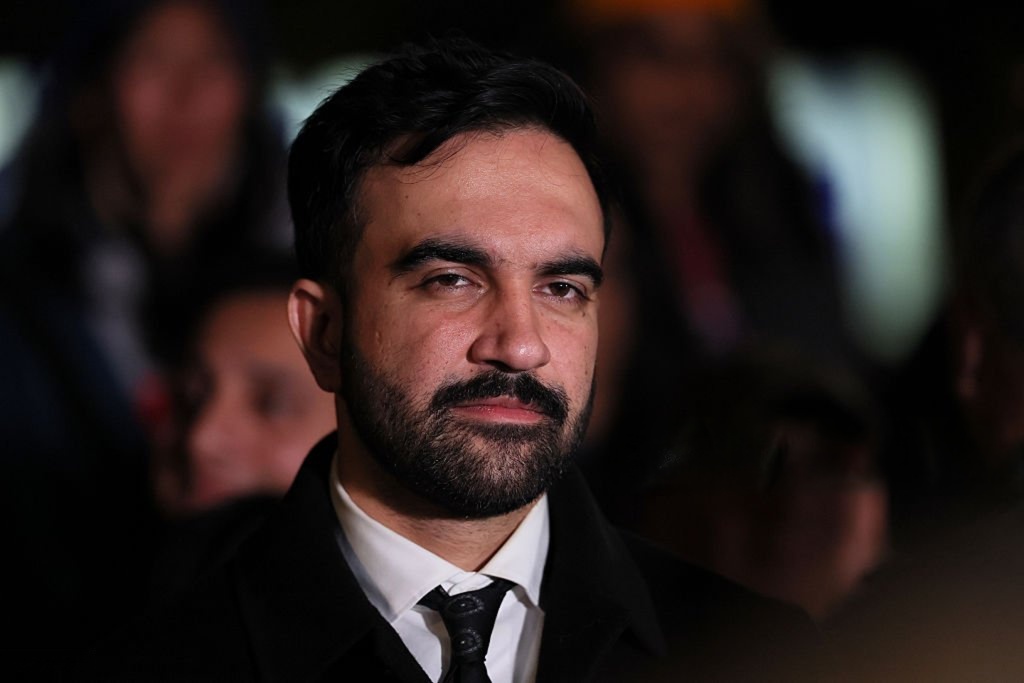
Despite the seriousness of the bomb attack, Mayor Mamdani’s response quickly became a focal point of controversy. During a press conference, he condemned the violence itself but refrained from specifically condemning radical Islamist ideology. Instead, Mamdani emphasized that violence at protests is unacceptable and that anyone attempting to harm others in New York City would be prosecuted under the law.
The mayor also criticized the anti-Muslim rally that had been taking place near his residence, describing it as rooted in “bigotry and racism.” While he acknowledged the attempted bomb attack as a criminal act of terrorism, critics argued that his statement avoided directly addressing the ideological motivations that investigators believe inspired the suspects.
Supporters of Mamdani have defended his remarks, saying he sought to de-escalate tensions and avoid stigmatizing entire communities. They argue that political leaders must carefully distinguish between violent extremists and ordinary citizens who share the same religion or background. In their view, the mayor’s focus on law enforcement accountability and the rule of law was the appropriate response to the attempted bomb attack.
However, critics from both political parties have insisted that stronger language was necessary after such a serious incident. They argue that when terrorism is suspected, leaders should clearly identify and condemn the ideology that motivates it. For them, the attempted bomb attack highlights growing concerns about online radicalization and the vulnerability of young people to extremist propaganda circulating on social media.
Security experts note that the case also illustrates a broader pattern seen in recent years: younger individuals becoming radicalized online without direct contact with established terrorist networks. Officials warn that such self-radicalized actors can still carry out dangerous plots, especially when they gain access to explosive materials or weapons.
In the aftermath of the attempted bomb attack, New York authorities say they remain on high alert. Law enforcement agencies have increased monitoring of potential extremist threats while continuing to investigate whether the suspects had any additional accomplices or plans for further attacks.
For now, the failed bomb attack has left New York City grappling with two parallel challenges—ensuring public safety while navigating a politically charged debate over extremism, ideology, and the responsibilities of public leadership in times of crisis.