
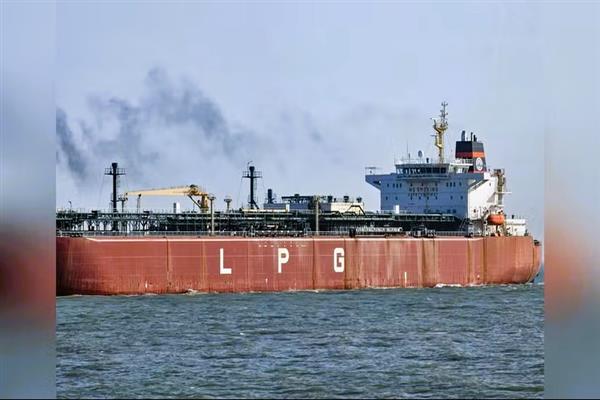
India’s decision to procure an Iran LPG Cargo after years of halted trade marks a significant turning point in its energy strategy, reflecting both geopolitical shifts and urgent domestic needs. The move comes amid a turbulent global energy landscape shaped by conflict in West Asia, supply disruptions, and temporary easing of U.S. sanctions on Tehran.
For the first time since 2019, India has resumed purchasing liquefied petroleum gas from Iran, breaking a long hiatus imposed by Western sanctions. The Iran LPG Cargo, according to industry sources, was enabled by a temporary relaxation of restrictions by the United States, allowing certain energy transactions to proceed. This policy window created an opportunity for India to secure critical fuel supplies at a time when traditional supply routes have become increasingly uncertain.
The Iran LPG Cargo currently en route to India was originally destined for China but was diverted, highlighting the fluid nature of global energy trade under crisis conditions. The shipment is expected to arrive at the western port of Mangalore and will be distributed among state-run fuel retailers, including Indian Oil Corporation, Bharat Petroleum Corporation, and Hindustan Petroleum Corporation. This redistribution underscores the urgency with which authorities are addressing domestic shortages.
India’s decision must be viewed in the context of a severe energy crunch triggered by disruptions in the Strait of Hormuz, a vital artery for global oil and gas shipments. Ongoing conflict involving Iran has significantly curtailed maritime traffic, affecting nearly 90% of India’s LPG imports, which typically originate from the Middle East. As a result, imports are projected to drop sharply, intensifying pressure on domestic supply chains.
In this backdrop, the Iran LPG Cargo serves not merely as a commercial transaction but as a strategic lifeline. With imports declining and demand remaining high, India has been forced to diversify its sourcing strategy, seeking supplies from countries such as the United States, Russia, and Norway. (Reuters) However, proximity and existing infrastructure make Iran a particularly viable option during emergencies, especially when sanctions are temporarily relaxed.
The broader geopolitical context further explains the significance of this development. The ongoing crisis in the Persian Gulf has disrupted not only LPG shipments but also crude oil and liquefied natural gas flows. The Strait of Hormuz, through which a substantial portion of global energy passes, has seen reduced traffic due to security threats and military tensions. This has forced countries like India to adopt flexible and sometimes unconventional procurement strategies, including reviving ties with previously sanctioned suppliers.
Another notable aspect of the Iran LPG Cargo deal is its potential implications for future energy diplomacy. While the current transaction is facilitated by a temporary sanctions waiver, it may open the door for more sustained engagement if geopolitical conditions stabilize. India had historically been a major importer of Iranian energy, and the resumption of trade—even in a limited capacity—signals a possible recalibration of bilateral economic relations.
Domestically, the impact of the Iran LPG Cargo is expected to be immediate. The additional supply will help stabilize availability and potentially ease price pressures that have been building due to shortages. In recent weeks, the government has taken several measures to manage the crisis, including prioritizing household consumption and reducing supplies to industrial users. The arrival of this cargo is likely to provide some relief, albeit temporarily.
However, challenges remain. The reliance on external factors such as sanctions policy and regional stability means that such arrangements are inherently uncertain. The Iran LPG Cargo, while crucial, is not a long-term solution to India’s energy vulnerabilities. Policymakers continue to emphasize the need for diversification, infrastructure development, and increased domestic production to reduce dependence on volatile international markets.
In conclusion, the procurement of an Iran LPG Cargo represents a critical moment in India’s energy narrative, shaped by necessity, opportunity, and strategic calculation. It highlights how global geopolitics and domestic imperatives intersect in shaping policy decisions. As India navigates an increasingly complex energy landscape, such moves underscore the importance of adaptability and resilience in ensuring energy security.