
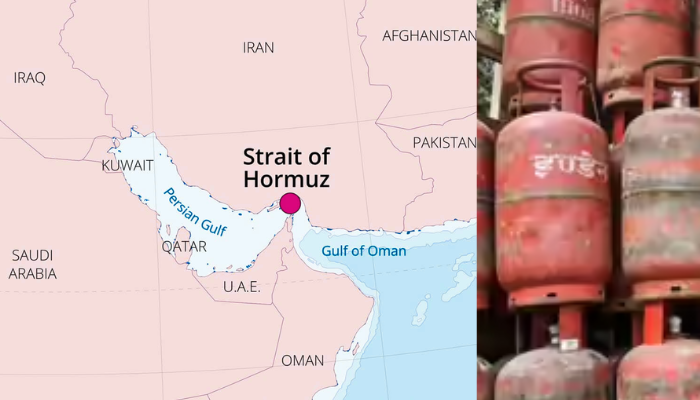
In a significant development for India’s energy security, Iran has allowed two liquefied petroleum gas (LPG) carriers flying the Indian flag to traverse the Strait of Hormuz. The passage comes amid rising regional instability and growing concerns over potential disruptions to global energy routes. For India, heavily reliant on imports through the strait, the successful transit of these vessels marks a moment of strategic relief.
The movement of the LPG tankers coincides with the expected arrival of a crude oil tanker carrying Saudi Arabian cargo, which reportedly passed through the Strait around March 1 and is scheduled to reach India on Saturday. According to ship-tracking sources, these shipments could help stabilise India’s energy supply amid market volatility triggered by conflict in the region.
Diplomatic Channels and Assurances
Iran’s ambassador to India, Mohammad Fathali, confirmed the safe passage, stating, “Yes, because India is our friend. You will see it within two or three hours. We believe that Iran and India share common interests in the region.” His comments followed intensive diplomatic engagement, including recent talks between Prime Minister Narendra Modi and Iranian President Masoud Pezeshkian on the safety of maritime trade and energy shipments. External Affairs Minister Subrahmanyam Jaishankar also consulted Iran’s foreign minister, Abbas Araghchi, to discuss regional stability and the uninterrupted flow of energy supplies to India.
Dr. Abdul Majid Hakeem Ilahi, the representative of Iran’s Supreme Leader in India, highlighted ongoing discussions regarding Indian vessels, emphasising potential benefits for India in accessing oil, gas, and other resources. He added that resolving the wider conflict would require global leadership, noting, “We didn’t create this war, we didn’t initiate this war, we didn’t start this war. We are ready to share our blood on the earth, but we are not ready to sell our dignity.”
Strategic Importance of the Strait of Hormuz
The Strait of Hormuz remains one of the world’s most vital maritime chokepoints for oil and gas trade. Any disruption in shipping through this narrow passage could have serious consequences for major energy-importing nations, including India. By ensuring safe passage for its vessels, India has managed to avert immediate supply uncertainties, reinforcing its strategic interest in maintaining open and secure energy routes.
While regional tensions persist, these developments underscore India’s ability to leverage diplomatic ties to safeguard essential energy imports. As global energy markets monitor the situation closely, the smooth transit of LPG and crude tankers through Hormuz provides both a tactical and psychological boost to India’s energy security.