
Amid escalating tensions in West Asia and the continued closure of the Strait of Hormuz, the Government of India has intensified efforts to safeguard energy supplies, stabilise domestic markets, and protect Indian nationals abroad, while urging citizens to remain calm and ignore rumours of shortages.
Authorities confirmed that petrol and diesel stocks remain adequate across the country, with all refineries operating at full capacity and retail outlets functioning normally. The government has also reduced excise duty on petrol and diesel by Rs 10 per litre, while imposing export duties on diesel and aviation turbine fuel to prioritise domestic availability. Despite isolated incidents of panic buying driven by misinformation, officials reiterated that fuel supplies are sufficient and appealed to the public not to hoard fuel.
Energy security measures ramped up
To maintain uninterrupted supply, domestic LPG production has been increased and additional LNG and regasified LNG cargoes are being arranged. Supplies to urea plants have stabilised at 70 to 75 per cent of recent average consumption, with further provisions being planned to sustain operations.
City Gas Distribution networks are being rapidly expanded, supported by fast-track approvals and policy reforms aimed at accelerating pipeline infrastructure. In March alone, over 2.9 lakh domestic and commercial connections, including hostels and canteens, were gasified. Incentives have been offered by major gas companies to encourage PNG adoption, while states have been urged to expedite approvals and facilitate network expansion.
Commercial LPG availability has also been progressively restored, with allocations increased to 70 per cent of pre-crisis levels. Priority is being given to critical sectors such as hospitality, food processing and key industries where alternatives are limited. Additional kerosene allocations have been made to states to ease pressure on LPG demand, alongside increased coal supplies for small and medium consumers.
Crackdown on hoarding and misinformation
The government has launched extensive enforcement drives to curb black marketing and hoarding. Nearly 2,900 raids have been conducted nationwide, with around 1,000 LPG cylinders seized in a single day. Oil marketing companies have conducted over 1,200 surprise inspections and issued approximately 480 show-cause notices to distributors.
State governments have been directed to intensify monitoring, issue daily public briefings, and establish control rooms to counter misinformation. Citizens have been advised to rely only on official updates, avoid unnecessary fuel purchases, and adopt energy conservation measures, including the use of alternative fuels such as PNG and electric cooktops.
Maritime operations remain stable
Despite the volatile regional environment, maritime operations have remained largely unaffected. Indian ports are functioning normally without congestion, and no incidents involving Indian-flagged vessels have been reported in the past 24 hours.
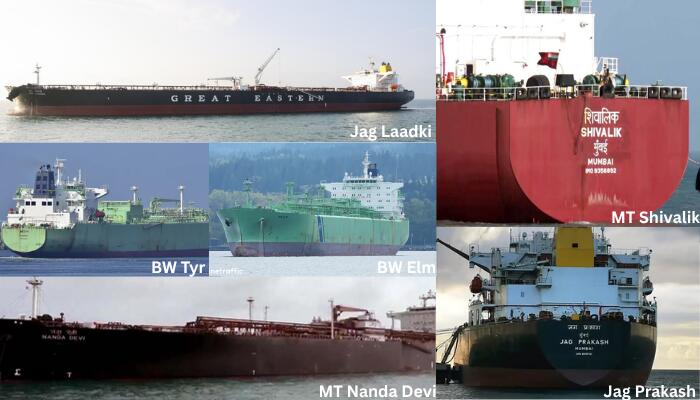
Two LPG carriers carrying approximately 94,000 metric tonnes of cargo are currently en route to India and expected to arrive by early April. While 18 Indian-flagged ships and 485 seafarers remain in the Western Persian Gulf region, authorities are closely monitoring their safety, with over 942 seafarers already facilitated for return.
Focus on Indian citizens abroad
The government has placed the safety of Indian nationals in the region at the forefront of its response. Missions and embassies are operating round the clock, providing visa, consular and logistical support to seafarers, students and stranded individuals.
More than 5.24 lakh passengers have returned to India since late February, with flight operations continuing through alternative routes where necessary. Special arrangements have been made in response to airspace restrictions in parts of the Gulf, ensuring continued connectivity.
Officials confirmed that assistance is being extended in individual cases, including medical support for an injured Indian national in Oman and the repatriation of mortal remains from the United Arab Emirates.
As the situation continues to evolve, the government has reiterated its commitment to maintaining supply stability, ensuring maritime safety and supporting Indian citizens, while cautioning against panic in a period of heightened uncertainty.