
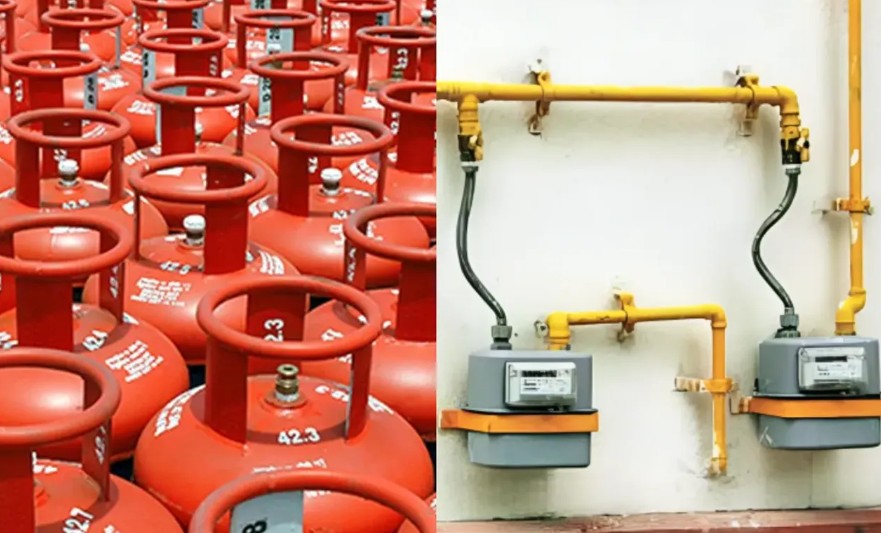
As several cities across India continue facing shortages of liquefied petroleum gas (LPG), the central government has urged consumers to avoid panic buying of liquefied petroleum gas (LPG) and switch to piped natural gas (PNG).
As global shipping disruptions affect energy supplies, households and small businesses alike are affected largely due to disruptions in supply linked to heightened tensions in West Asia.
The advisory comes after the US–Israeli war with Iran disrupted crude oil, LPG and liquefied natural gas shipments, halting traffic through the Strait of Hormuz and creating supply constraints.
According to Reuters, Sujata Sharma, a joint secretary in the federal oil ministry said, “LPG is an issue of concern. The government is working with states to curb black marketing and hoarding of LPG cylinders.”
Govt Pushes Shift to Piped Gas
India has around 333 million households using LPG cylinders, while more than 150 million households already receive piped gas supplies.
“About six million LPG-using households could easily switch to piped gas. We request them to avail piped gas connection to ease pressure on LPG,” said Sujata Sharma, according to Reuters.
She also said that commercial and industrial consumers in major urban centres facing LPG shortages should contact their local city gas distribution companies to arrange piped gas connections.
Panic Buying Pushes Up Bookings
India consumed 33.15 million metric tons of cooking gas last year, with imports accounting for around 60% of demand. Nearly 90% of those imports came from the Middle East, making supplies vulnerable to disruptions in the region.
Panic buying has already pushed daily LPG booking requests to about 7.6 million, up from around 5.5 million on March 1, Sharma said.
“Most bookings are being made online and to manage the situation, the government has asked refiners to increase LPG production, and domestic output has risen by 30% since March 5,” she added.
Authorities have also prioritised LPG supplies for households, followed by hospitals and educational institutions. Commercial users have been advised to switch to alternative fuels such as biomass, coal and fuel oil.
Sharma said Coal India, the country’s largest coal producer, has been asked to make coal available to small and medium enterprises and the hospitality sector, including restaurants and hotels.
Meanwhile, Indian ports are giving priority berthing to LPG carriers to speed up supplies, according to Rajesh Kumar Sinha, special secretary at the ministry of shipping.
What it Means for Consumers
For households, the government’s appeal signals that LPG supplies could remain tight in the short term due to global shipping disruptions. Consumers who have access to piped gas connections may find it more reliable and convenient to switch, as PNG provides continuous supply and reduces dependence on cylinder deliveries.
For those still using LPG cylinders, authorities are urging calm and discouraging panic bookings, while prioritising domestic cooking needs over commercial demand to ensure essential supplies remain available.