
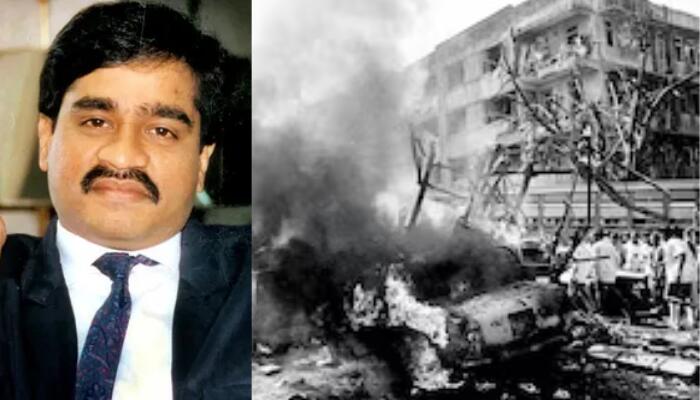
Mumbai’s skyline was torn apart in a single morning in March 1993, when thirteen bombs exploded across the city within two hours, leaving devastation, grief, and a glaring question: how had this been allowed to happen? The attacks were orchestrated by Dawood Ibrahim’s D-Company, with local coordination by Tiger Memon, and were reportedly aided by Pakistan’s Inter-Services Intelligence. The masterminds remain fugitives to this day, believed to be sheltered abroad.
Breaking the Silence Between Agencies
The immediate aftermath revealed deep flaws in India’s security machinery. Mumbai Police, the Central Bureau of Investigation, state intelligence units, and national agencies responded independently. There was no shared command structure, no rapid intelligence channel, and no system to combine information fast enough to prevent the catastrophe. The tragedy exposed the perils of operational silos and uncoordinated responses.
Legal Innovation Through MCOCA
Maharashtra’s response evolved over the years. In 1999, the state enacted the Maharashtra Control of Organised Crime Act (MCOCA), signalling a new approach to criminal justice. The law recognised that syndicates like D-Company operated as complex networks rather than isolated actors. MCOCA allowed prosecutors to target the entire organisational structure, its leadership, finances, and chain of command, rather than just individual crimes. For networks built on compartmentalisation, this was a transformative challenge.
Reframing Policing and Intelligence
Within the Mumbai Police, investigative priorities shifted. Officers began viewing organised crime as a potential instrument of political violence rather than simply a law-and-order issue. Tracking money flows, weapon movements, and command transmission became as crucial as identifying individual offenders. Procedural adjustments translated into a profound change in perspective.
Coastal security also became a key focus. The RDX used in the attacks had been smuggled by sea, prompting Maharashtra to expand marine police operations and deploy additional patrol boats. Smuggling routes were no longer only a customs issue; they became strategic vulnerabilities that demanded continuous monitoring.
At the national level, intelligence agencies began building information-sharing mechanisms, overcoming decades of silos. The process was incremental and often resisted, but the direction was shaped directly by the lessons of March 12, 1993.
A City Transformed
Public life in Mumbai was visibly altered. Security checks at government offices, markets, and financial centres became routine, and vehicle inspections near sensitive locations are now normal. These measures reflect more than precaution; they represent a recognition that urban density, once only seen as economic vitality, is also a vulnerability requiring active management.
The 1993 blasts left more than scars on the city. They forced India’s law enforcement and intelligence agencies to rethink how cities could be protected in an era of organised, networked terror. Every patrol, procedural reform, and intelligence-sharing initiative traces directly back to that morning, when Mumbai’s vulnerability became impossible to ignore.